How ‘Made in China’ Became a Status Symbol

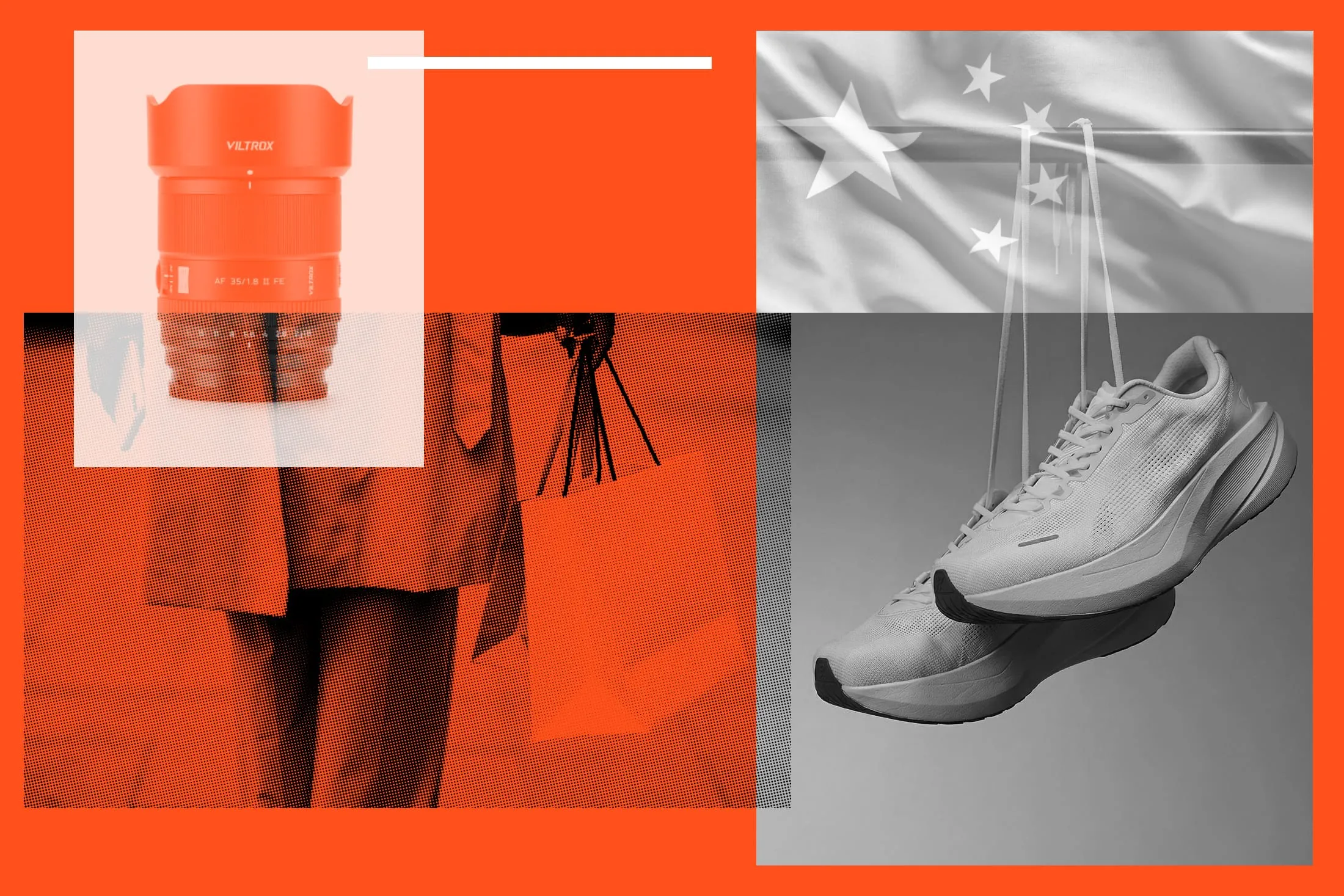
Camera lenses are among the most difficult consumer products to manufacture. The precision-ground optical elements inside must remain clean and in near-perfect alignment even when carelessly knocked around or subjected to foul weather, and the exacting movements of autofocus motors and aperture blades won’t tolerate much room for error. Neither will customers. Photography enthusiasts who’ll drop $1,000 or more on a single Nikon, Sony or Fujifilm lens can be demanding and fussy. They obsess over image sharpness and are apt to lose their minds if so much as a speck of dust is found beneath the glass.
Until fairly recently, lens maker Viltrox occupied the familiar role of budget Chinese alternative. The company’s first lenses, offered in versions compatible with cameras from several major brands, were judged to be not bad optically and appealed to photographers who couldn’t justify paying hundreds of dollars more for superior glass from the more established Japanese makers. About four years ago, though, after investments in materials and manufacturing, Viltrox’s quality sharpened.
Beginning with a handful of unexpectedly strong offerings — including a 75mm portrait lens and a 13mm wide-angle model — Viltrox gained a reputation for lenses that aren’t just good for the money; they’re good, period. For anyone who frequents photography nerd YouTube channels or the DPReview forums, Viltrox has become an “if you know, you know” brand.
“It’s softened the whole suspicion of, ‘oh, it’s a third-party company,’” says Chris Lee, an influential reviewer of Fujifilm camera equipment in Atlanta who runs the YouTube channel pal2tech. “That attitude has died away. I don’t hear it anymore at all.”
Similar stories can be found among all kinds of products in which Chinese companies are challenging established brands with high-quality, low-cost alternatives. They’re undermining the perceptions of the hardest-to-please customers — enthusiasts who are picky about the things they buy, unsparing when they’re disappointed and historically resistant to a label that reads “Made in China.”
In fountain pens, Chinese manufacturers including Asvine and Hongdian compare favorably to European and Japanese brands, winning praise from collectors for aesthetics and writing performance at a fraction of the cost. In folding pocket knives, WE Knife Co. and Reate Knives, which started out as manufacturers for other brands, have earned acceptance with their own designs that rival or exceed the fit and finish of the priciest US and European makers. Only a few years ago, the sort of hobbyists who’d debate the optimal edge angle for a knife blade or the superiority of an ebonite fountain pen feed would casually dismiss Chinese brands for their cheap components and substandard quality control. Brave souls who offered praise were often greeted with skepticism. Now many of those same brands are just part of the conversation.
Glyn Atwal, an associate professor at the Burgundy School of Business in Dijon, France, says many younger consumers in the US and Europe don’t have the same kind of attachment to Western brands that older generations do, especially since so many US and European products are made in factories overseas. According to Atwal, who studies why consumers choose one product over another, Chinese brands that respond more quickly to changing trends are increasingly viewed by coveted Gen Z buyers as having more “cultural relevance.” Chinese products “are not just about being cheap and cheerful,” he says. Young shoppers are more likely to “see China as being cool, in terms of innovation and technology.”
Still, Chinese companies tend to recognize they have to work harder to earn the most selective international customers. Viltrox, which is owned by Shenzhen Jueying Technology Co., keeps a constant presence on practically every social media platform where people talk about camera gear, asking photographers which features they want that their larger competitors don’t offer and how the company can improve its products. “People may like an existing type of product, but they wish it was maybe smaller, maybe more affordable, or simply designed more around how they actually use it,” says Frank Fang, Viltrox’s US marketing director. “That’s often where we find our opportunities.” The company sends out samples of forthcoming lenses to reviewers and influencers, ensuring a flood of free, often friendly, buzz online.
Lee, the photography YouTuber, recalls that he criticized the first Viltrox lens he tested, in 2019, for being “a little bit big and clunky and heavier.” But he also noticed the company was unusually responsive to feedback. “I would mention a problem on the channel, and then bam, two weeks later there’d be a firmware update for the lens that fixed it.”
As quality improved, the company appeared to zero in on gaps in the market, coming out with lenses that are lighter or faster or that offer focal lengths the major brands have missed. That matters to buyers pondering an investment they often keep for years or decades, even if they frequently trade up their camera bodies for the latest tech. “Photographers date their cameras, but they marry their lenses,” Lee says. “It’s a serious relationship.”
There are still places in the US consumer market where Chinese brands have noticeably lagged. One is running shoes. Since Covid-19, America has seen a running boom, with millions of newcomers snapping up shoes and apparel. The same is happening in China, where prominent brands including Li-Ning and Anta produce some of the most popular models.

In February, Anta opened a retail store in Beverly Hills, and Li-Ning made a big splash in June when it signed a long-term endorsement deal with NBA star Stephen Curry, part of a major American push. Both companies started putting their shoes on the feet of running influencers, sparking huge interest in their training and racing shoes, which offer the kind of refined designs and fast, bouncy foams of top models from brands like Adidas, Asics and Nike, but at a lower price. Runners who once vented about the aggravation of dealing with Chinese e-commerce sites to get their hands on a pair can now buy Li-Ning and Anta shoes on Amazon.
Running enthusiasts willing to shell out $200 or more for a pair of daily trainers and $300 for a top race shoe are showing Chinese brands that there’s a market in America for something more affordable. “It’s really interesting because the price point is still much lower than the US shoes,” says Matt Klein, a physical therapist in Newberg, Oregon, and founder of the review site and YouTube channel Doctors of Running. “However, the quality is just as good, if not better.”
As a clinician who treats running injuries, Klein has been impressed that some Chinese running shoes get important details right that major brands often don’t. “I’m like, ‘Wow, you guys actually pay attention to basic biomechanics,’” he says. Some smaller Chinese brands are willing to experiment in ways a giant like Nike won’t. They “throw a shoe out there and see what happens,” Klein says. “And the beauty of having that fearlessness is you can put out some really good stuff and learn some really good lessons.”
That’s what happened this spring, when the entirety of the online running shoe echo chamber was suddenly seized with excitement for a new training shoe from an unknown Chinese brand: the Dynafish Xiaonian. Priced at around $130, it’s light and fast and includes a super foam midsole often reserved for shoes that cost far more. The company had no US presence and not much of a website. The hype started on Reddit, where r/runningshoegeeks lit up with reviews from runners who’d managed to snag a pair from Chinese sites. Dozens of YouTube reviews followed. Comment sections turned into FAQs on how to get them.
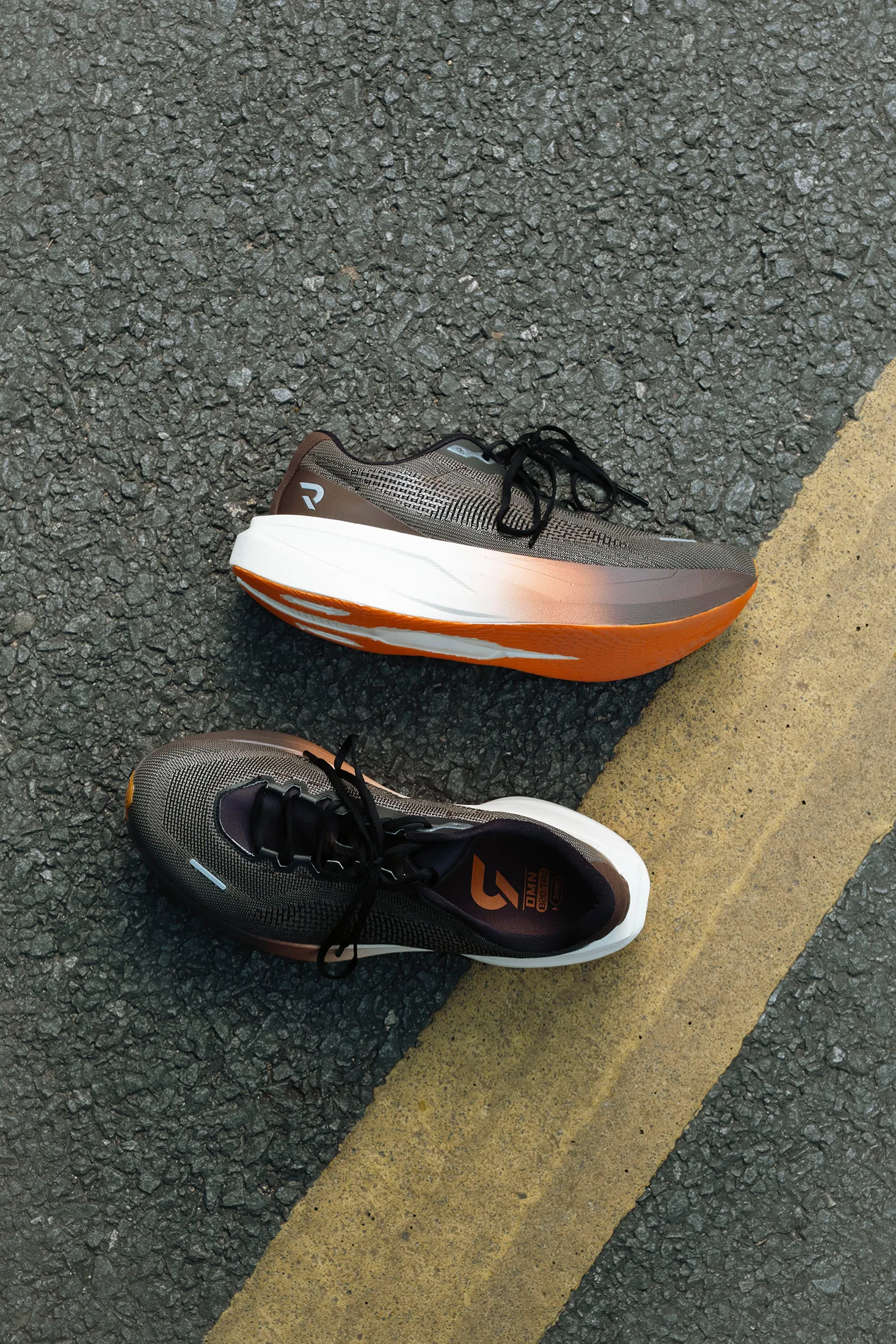
The explosion of interest in Dynafish “is incredibly surprising and delightful,” says Chen Zhu, the co-founder of the company, based in Tianjin. “We didn’t anticipate this.”
Zhu and a partner are both avid runners who started Dynafish a little more than a year and a half ago. The company has 15 employees and no marketing budget. “We put all our money into the product and nothing else,” Zhu says. He now closely watches what runners have to say about the shoes. “Anyone can give us any feedback they like.”
Mike Ko, a widely followed running shoe reviewer in Chicago who goes by Kofuzi on YouTube, says “there’s something really exciting about an antiestablishment moment” when a new shoe can take off without marketing machinery behind it. And he’s enjoyed some of the shoes coming out of China. However, Ko hasn’t done a Dynafish review, in part because he’s hesitant to feature a shoe his viewers can’t easily buy. Over the years, he says, any number of startups have approached him about reviewing their products. “Normally I say, ‘All right, if you’re around in two years, we’ll talk about it.’”
Zhu appears confident his brand will still be around. Dynafish is now rapidly working to meet US demand. It has spruced up its website and online store and is ramping up production. In its first year the company sold about 200,000 pairs of shoes, 70% of them in China, Zhu says. Next year he projects sales of 800,000 pairs, split evenly between domestic and overseas customers.
Dynafish has also made one concession to broaden its international appeal: In the US, the Xiaonian is now called the Dyna Super. Simon Tse, the company’s North American distributor, says they debated whether to make the change. Ultimately, after watching numerous English speakers struggle to pronounce the shoe’s name, they decided it had to happen. “The heart and the DNA can stay Chinese,” Tse says. “But there have to be certain visuals and language that make it Western — or else it would be too hard to fully adjust to it, you know?”

 点赞
 收藏
 点踩
 分享