Free Bus Rides, Cash Back: Lula, Bolsonaro Court Brazil Voters With Costly Promises

Free public transportation on weekends. Cash back on energy and other bills through an instant payment system. Debt forgiveness for millions of small entrepreneurs.
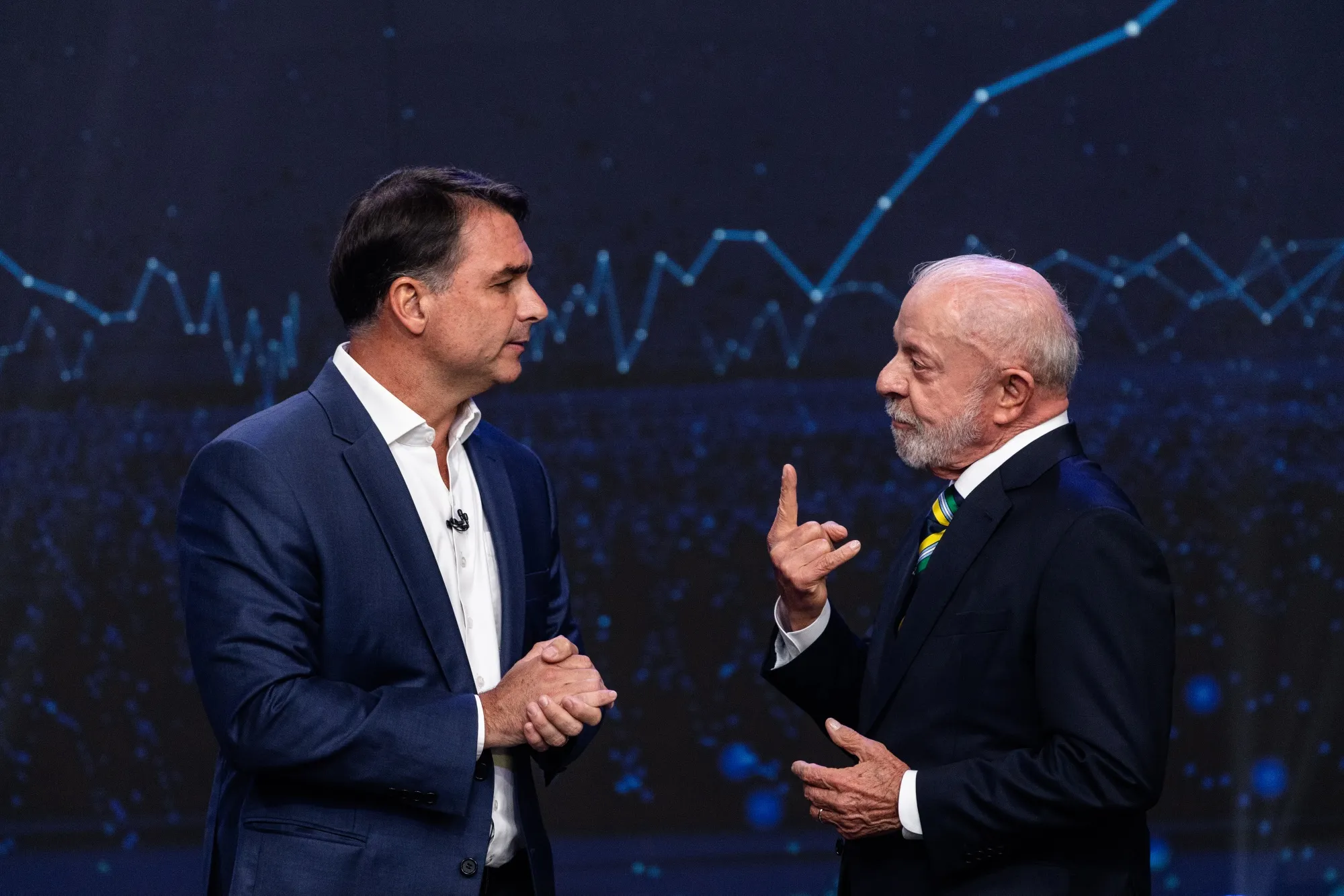
With Brazil’s presidential runoff days away and the race effectively tied, Luiz Inácio Lula da Silva and Flávio Bolsonaro are rolling out expensive promises to lure undecided voters, while offering few details on how they would pay for them.
The campaign largesse is colliding with one of the biggest challenges awaiting whoever wins on Oct. 25: stabilizing Brazil’s public debt.
Since the first round earlier this month, Lula has unveiled proposals expected to cost more than 50 billion reais ($10 billion) in the coming years, even as he pledges to preserve fiscal discipline. Bolsonaro, meanwhile, is promising sweeping spending cuts but has yet to say where they would fall, while simultaneously proposing higher pensions, tax breaks and a cashback program for consumers.
For investors, the question is becoming less about which candidate sounds more fiscally responsible and more about which campaign promises will survive once the election is over. Whoever wins will have plenty to clarify because, as Bloomberg Economics’ Adriana Dupita puts it, “there’s simply no fiscal space for all these programs” without a tax increase that neither candidate appears willing or able to pursue.
“Retreating on campaign promises will upset voters, not doing so will upset investors, and there’s a material risk that a compromise solution ends up cutting any honeymoon short, with markets under stress and popularity eroding at the onset of the new presidential mandate,” Dupita said.
Here’s the main and costliest promises Lula and Bolsonaro have put forward over the past three weeks:
Lula
Welfare: The government brought forward this month’s payment schedule for Bolsa Família, Brazil’s flagship social welfare program. Benefits — which Lula increased by 15% — will land for all eligible recipients by Wednesday, instead of by the end of the month. The government said the early payments were a precaution due to risks from El Niño.Debt forgiveness: Lula announced the forgiveness of debts owed to the federal government for so-called microentrepreneurs who’ve fallen into delinquency. The plan also includes a program to purchase debts owed by microentrepreneurs and grants of as much as 5,000 reais to help them improve their businesses.Student aid: Lula announced an expansion of his student financial aid program to include university students. Those who qualify would receive a total of 9,500 reais over four years, at a cost of 4.6 billion reais per year.Free public transportation: On Wednesday, Lula is set to unveil a proposed constitutional amendment to provide free public transit on weekends. The government says it would cost as much as 12 billion reais per year, paid for with funds from congressional budget amendments. Brazil’s National Association of Urban Transport Companies estimates the cost would be 20.8 billion reais annually.
Bolsonaro
Debt fund: Bolsonaro has pledged to create a 3 trillion-real fund called “SOS Brazil,” financed with oil revenue, proceeds from securitizations and the sale of government real estate assets. The fund would buy debt owed by individuals and companies and refinance it on more favorable terms, he’s said.Tax breaks for tourism and events: Bolsonaro said Tuesday he would revive a tax incentive program for tourism and event companies that his father, former President Jair Bolsonaro, created to support businesses during the pandemic. Lula’s government ended the initiative in 2025, citing its high fiscal cost and indications of irregularities within it.Pix cashback: Daniella Marques, the campaign’s economic policy coordinator, pledged Tuesday that Bolsonaro would create a program to give consumers back a portion of what they spend on energy costs and other bills. The cash back would come via Pix, Brazil’s popular instant payment system, although she provided no details on how the program would work or how much it would cost.

 点赞
 收藏
 点踩
 分享