Why French Protests Are So Hard to Contain

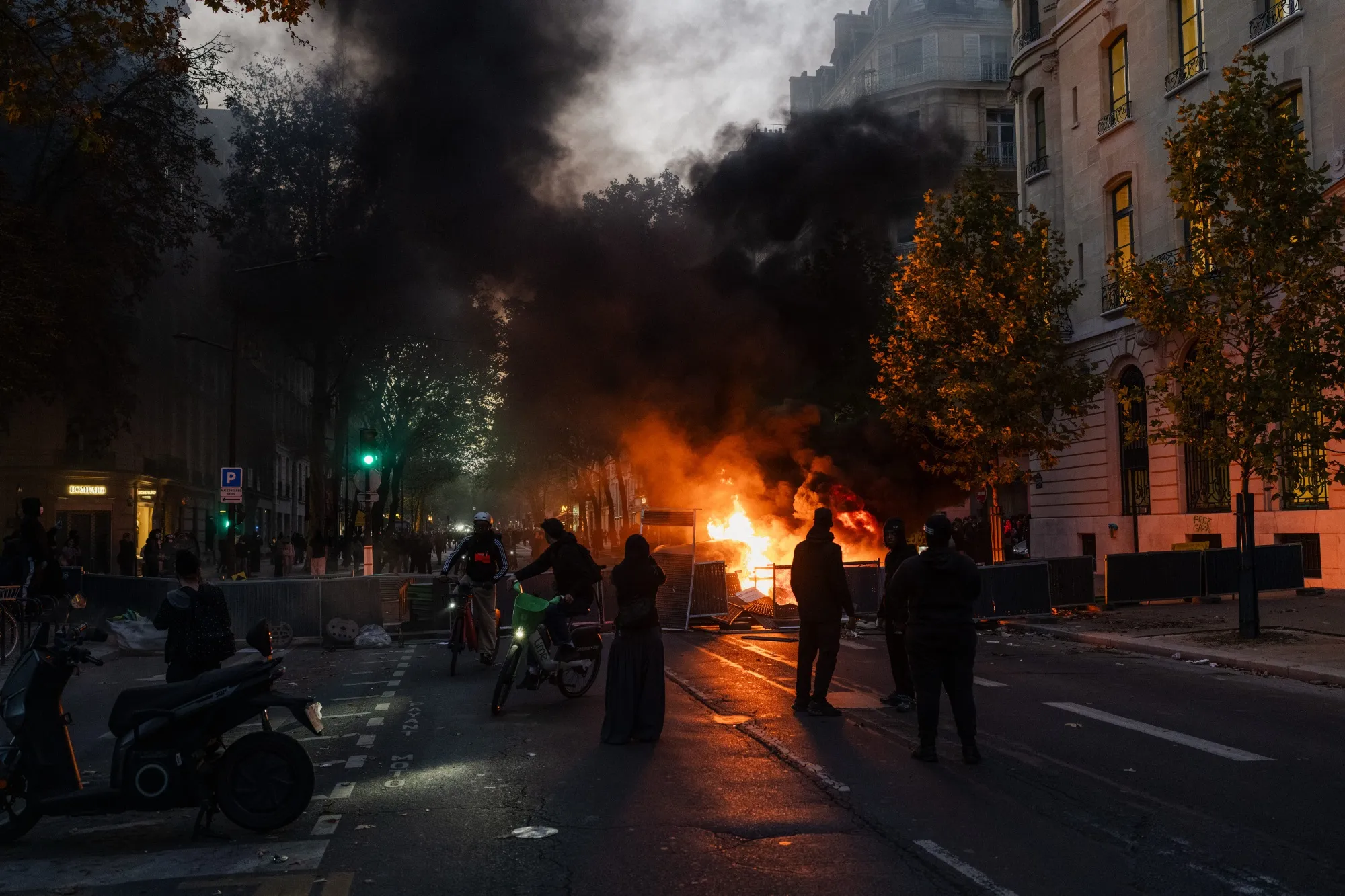
France is bracing for further waves of unrest after nationwide protests on Oct. 17 drew more than half a million people and descended into riots, arson and looting.
The violence is undercutting President Emmanuel Macron’s authority during the final months of his presidency and could make it harder for his government to push through contentious spending cuts. Student groups and labor unions have called for more demonstrations until the government abandons its budget plan and boosts spending on public services.
How did the protests start?
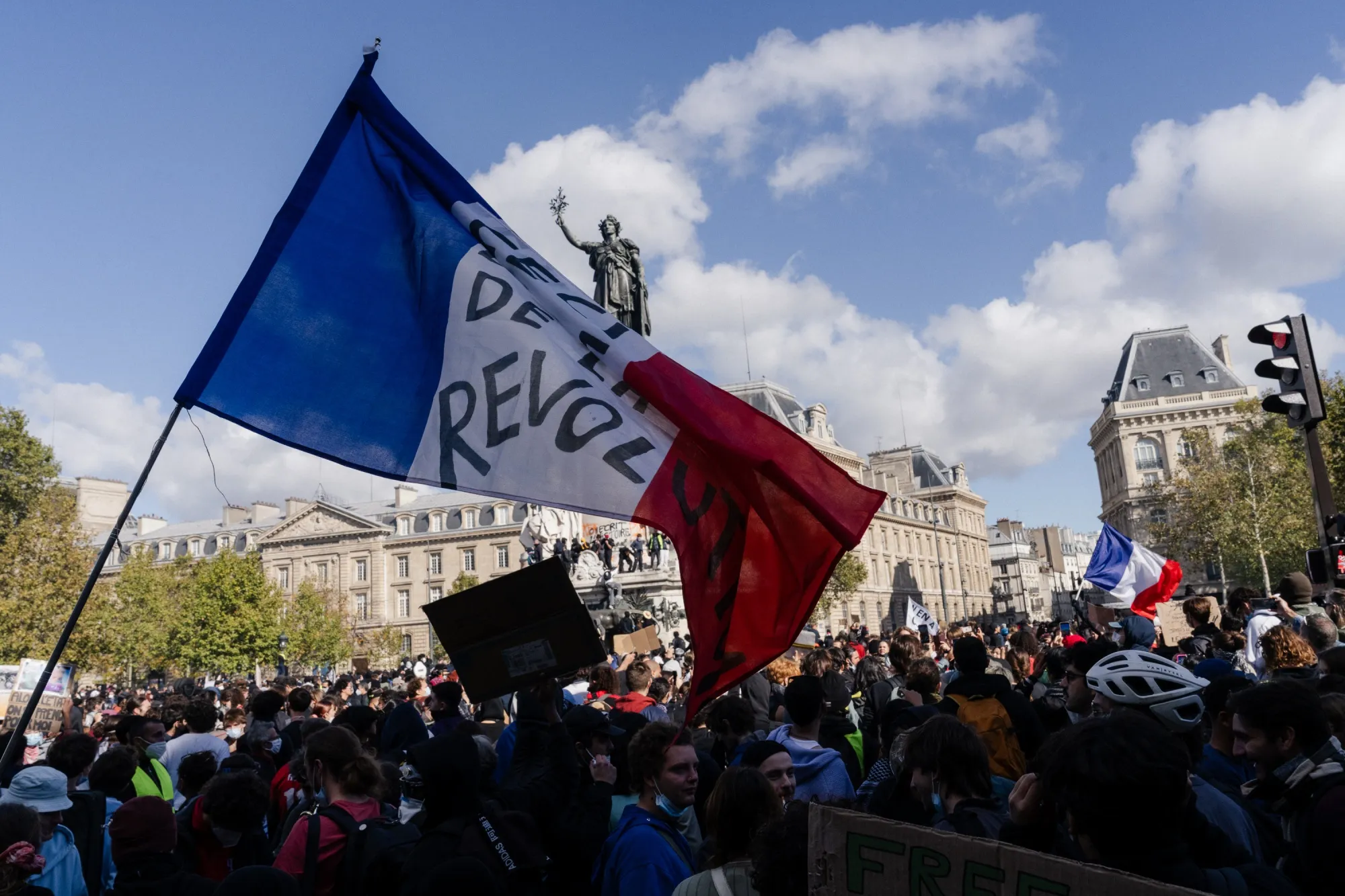
High-school students began to demonstrate in mid-September to denounce overcrowded classrooms, teacher shortages and the system used to allocate university places. Around the same time, social media lit up with complaints about rising fuel prices. Labor unions, climate activists and veterans of the 2018 “Yellow Vest” movement called for nationwide demonstrations, and hundreds of thousands of people poured onto the streets. Students and their supporters were joined by anarchist groups and leftist politicians, and the various demands fused into a broad call for better public services and government help with the cost of living. Rioters took the opportunity to fight the police, damage buildings and torch cars.
Much of the anger has been targeted at Macron who, six months before the end of his second term, has never been so unpopular. Some protesters also waved flags and chanted slogans in support of a Palestinian state.
Why were the protests so violent?
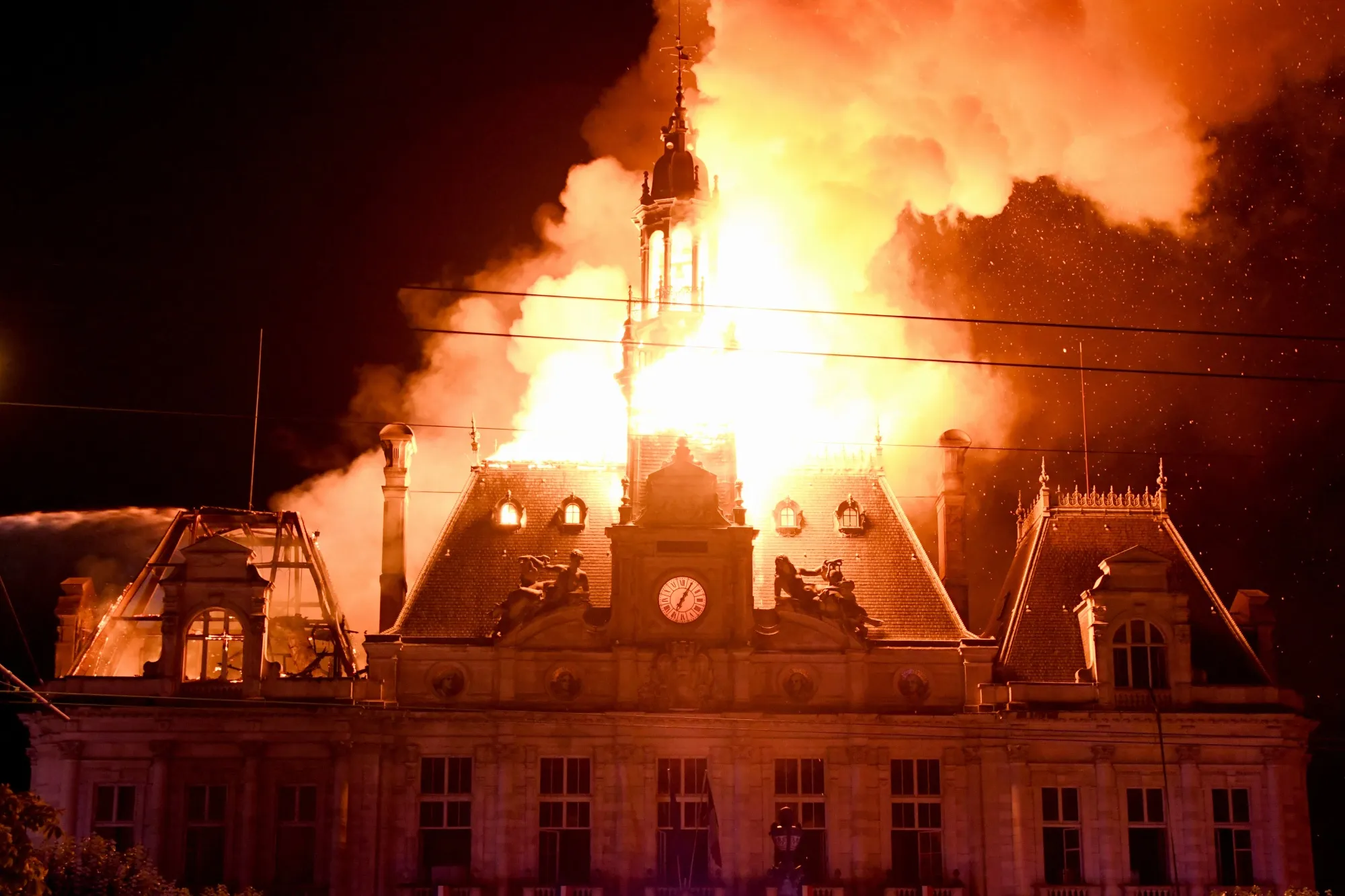
Interior Minister Laurent Nunez blamed attacks on government buildings and police stations on extreme-left agitators known as black blocs. Newspaper Le Parisien reported that a suspect in the burning of Limoges’ town hall was an ultra-left activist.
Groups of youngsters with no apparent political agenda roamed through the cities, damaging and looting thousands of shops while police were trying to control the protests. Some were minors, and some had a history of petty crime.
Why is this happening now?
Fuel prices in France have risen due to the Iran war and food inflation has eaten into household budgets. The presidential election slated for next April has been another trigger, with leftist figures such as Jean-Luc Mélenchon supporting the protests as part of their campaigning. The protests have also been timed to put maximum pressure on the government to scrap a 2027 budget law that’s making its way through the National Assembly.
How Macron’s Decade in Power Left France Europe’s Weakest LinkVinted Pledges to Crack Down on Looted Goods After French RiotsFrench Bond Risk Hits 15-Year High on $110 Crude, Budget Concern
What next?
A disparate movement of social media figures and cost-of-living campaigners is planning “Act Two” demonstrations on Oct. 24 and further nationwide protests the following Saturday. The spending cuts laid out in the budget will be the focus of another day of protest action on Nov. 5th that’s backed by the country’s biggest trade unions. The police response to those demonstrations is likely to be tougher.
Why were the latest protests so hard to control?
Their scale and the violence that accompanied them took the authorities by surprise, according to Nunez. The government had expected around 200,000 people to protest, and as many as 550,000 took to the streets, he said on France Inter radio.
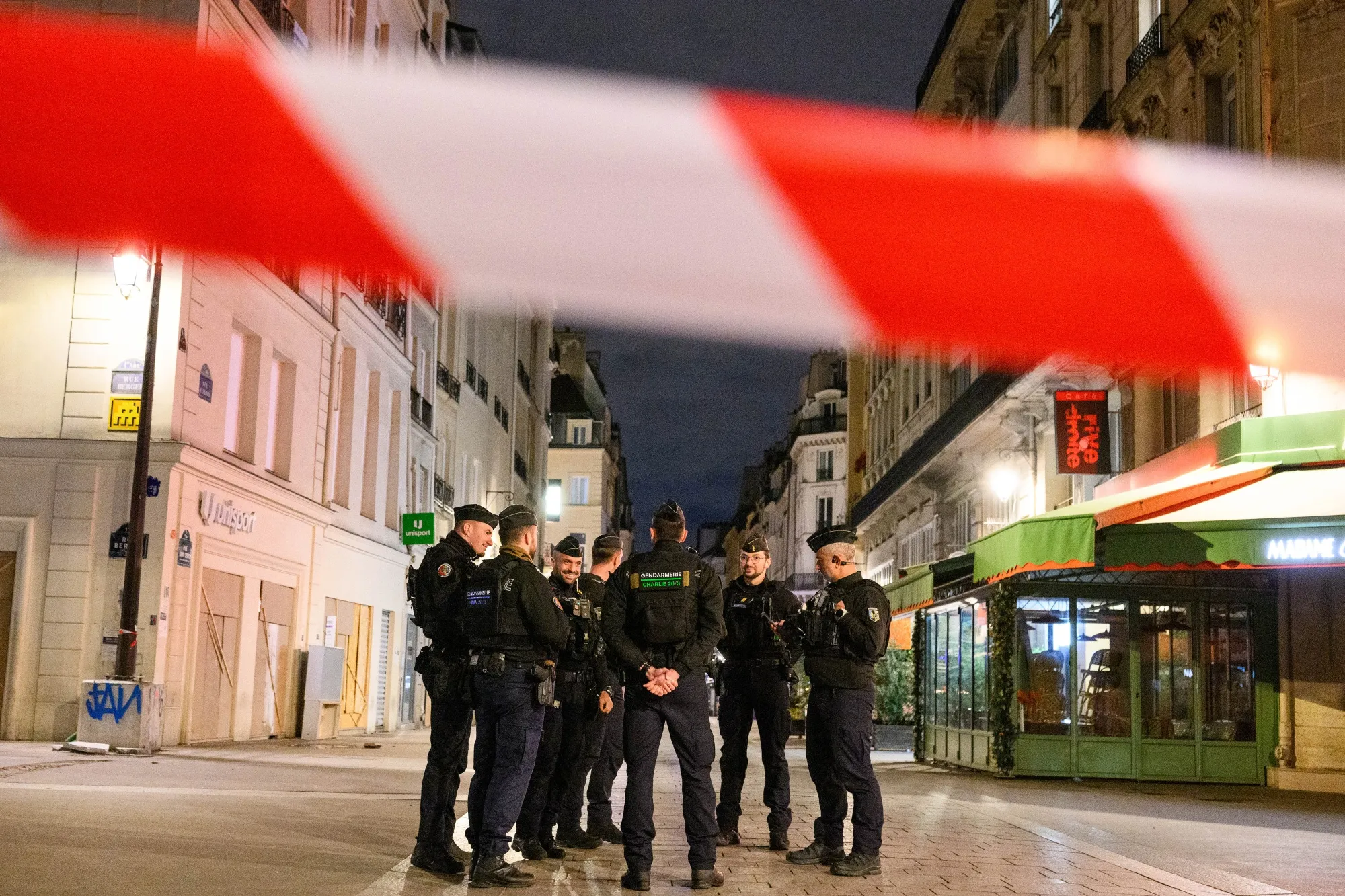
In past French street demonstrations, rioters often mingled with crowds and began to clash with police once peaceful protesters had begun to disperse. This time, ultra-left agitators gathered in “swarms,” Prime Minister Sebastien Lecornu said. “This method caused confusion,” the police presence was too static and it was a miracle that no one died, he added.
Leftist politicians accused the police of being heavy handed and endangering the public by encircling crowds so there was no way for them to disperse.
What’s the political fallout from the violence?
Leftist firebrand Mélenchon and the leader of the far right National Rally, Marine Le Pen, are among the top contenders to replace Macron next year, and political commentators have speculated that Le Pen’s law-and-order focused campaign will benefit from the latest turn of events.
Le Pen said the government “has lost control of everything” and accused Mélenchon of hijacking the protests and legitimizing violence.
It may be too early to say if the unrest will boost her standing with voters. Political scientist and pollster Chloé Morin said many right-leaning voters are concerned that if Le Pen does win the presidency, this will only increase the political tensions that fueled the latest violence.
“This is Le Pen’s major strategic dilemma. She needs to explain that if she is elected it won’t be this over and over again” said Morin.
What can the government do to end the protests?
When the Yellow Vest movement swept France beginning in 2018, Macron first tried to diffuse the protests by reversing a planned increase in fuel taxes. He eventually also responded with tax cuts and support for low earners that cost the government as much as €17 billion. Now the fiscal situation is gloomier, and it has fewer options to buy off the demonstrators.
Bond investors are concerned that France’s finances are on an unsustainable path and that the authorities will struggle to rein in deficits. As a result, they are demanding greater compensation for the risks, pushing up French borrowing costs relative to other European nations.
French bond yields have reached their highest in relation to safe German bunds since 2011, when the euro area was in the throes of the sovereign debt crisis. Investors are on alert for signs of contagion, in which a crisis of confidence in France’s finances would spill over to other euro zone countries, even though the European Union is better equipped than in the past to deal with bond turmoil.

 点赞
 收藏
 点踩
 分享