US to Tap More Oil from Emergency Reserve as Fuel Prices Surge

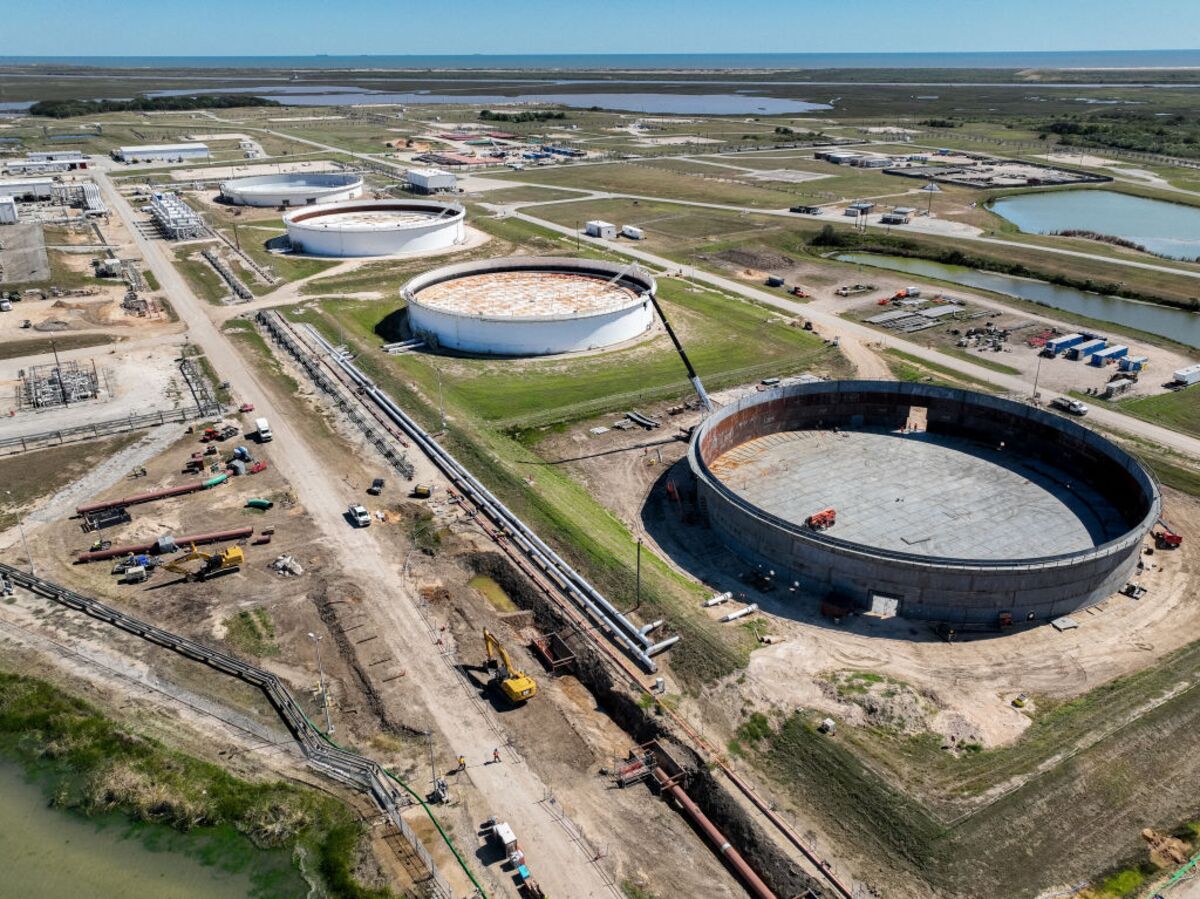
The Trump administration is releasing more oil from the nation’s emergency reserve as fuel prices surge less than two months before the midterm elections.
The offer of up to 40 million barrels represents the last of a 172-million-barrel emergency drawdown from the Strategic Petroleum Reserve ordered to tame soaring energy prices after the US invasion of Iran. Bids are due by 11:00 a.m. central time on October 6, according to a statement from the Department of Energy.
“With today’s actions, the United States continues to lead the coordinated efforts to stabilize oil markets for the benefit of Americans and people around the world,” Energy Secretary Chris Wright said in the statement.
Crude, gasoline, diesel and jet fuel prices have surged since military operations against Iran began on Feb. 28, intensifying pressure on President Donald Trump to address rising fuel costs ahead of November’s midterm elections, which could determine control of the House. Gasoline remains well above $4 a gallon and diesel fuel has surged past a record $6 a gallon.
Read More: Macron Calls for G7 Meeting to Mull Release of Oil Reserves
Still, Energy Secretary Chris Wright has signaled another drawdown is unlikely.
The SPR is projected to fall to its lowest level since 1982 once the latest release is completed. Federal law bars non-emergency drawdowns once inventories fall below 252.4 million barrels, while a 1981 report from the US Government Accountability Office advised against releases below 250 million barrels except in a “very severe emergency.” The reserve’s operational minimum — the point at which it becomes difficult for the infrastructure to function — is around 70 million barrels, according to ClearView Energy Partners, a Washington-based consulting firm.
The release was structured as an exchange, essentially a loan that companies repay with interest. The Energy Department has said that will ultimately return about 200 million barrels to the reserve over the next year, roughly 20% more than was released.

 点赞
点赞 收藏
收藏 点踩
点踩 分享
分享