Trump Slaps New Banking Restrictions on Cuba’s Private Sector

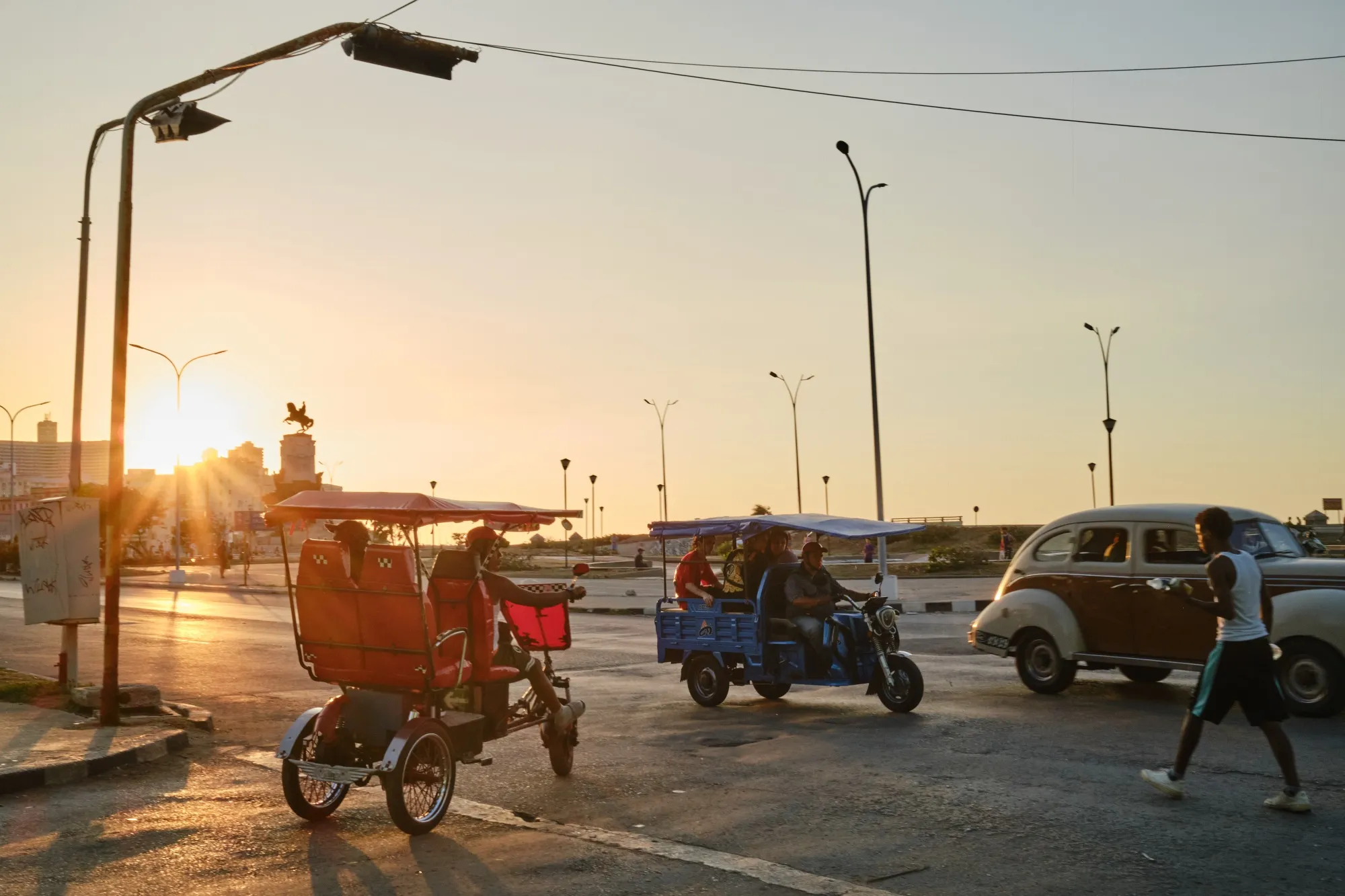
The US is barring banks from working with Cuba’s nascent private sector and is further restricting travel to the island, as President Donald Trump’s administration presses to end nearly seven decades of one-party rule in the country.
Under updated guidance from the Treasury Department published Tuesday, US banks are no longer permitted to open and maintain accounts for Cuban nationals “who are independent private sector entrepreneurs,” the Office of Foreign Assets Control said. “U-turn” transactions, in which US banks could process Cuba-related transactions that “originated and terminated outside the United States,” have also been disallowed.
Loopholes that allowed people from the US to travel to Cuba for professional meetings and academic activities are also being closed, OFAC said. In addition, “people-to-people” educational travel, which was previously authorized, is no longer permitted.
Educational trips under the auspices of an accredited organization are still allowed. And there are no new restrictions on commercial flights to the island, as some Florida Republicans had been calling for.
But it’s the private-sector measures that could have the most impact, given small businesses have become a lifeline for the island as entrepreneurs import badly needed goods from abroad.
Bloomberg News reported last week that US cargo ships have made more than 200 trips to Cuba this year, loaded with goods including fuel, solar panels, food, vehicles and auto parts. That trade boom contrasts sharply with Trump’s aggressive push for political change.
“The administration does not have a clear message at all when it comes to how they see the private sector and its role in this,” Michael Bustamante, director of Cuban studies at the University of Miami, said in an audio message.
Expanding the use of trade loopholes — including authorizing private fuel sales — has helped stave off “a complete economic or social collapse” and reinforced “a message to Cuba that their only way out is through their connections with the United States,” he said. “And yet the administration is not taking any proactive measures to make life easier for the private sector.”
Trump and Secretary of State Marco Rubio have been hammering Cuba’s economy with ever-tighter sanctions and a de-facto fuel blockade for months in hopes of forcing the Communist Party to relinquish its grip on power. Amid reports that planning for a military intervention was in the works, Trump said this week that Washington and Havana would likely “make a deal.”
Cuba has said it’s willing to make economic changes but that its system of government is not up for debate. Intense US pressure, however, is getting in the way of market-friendly reforms, Deputy Foreign Minister Carlos Fernández de Cossío told Bloomberg Television on Friday.
His boss in Havana also shot back Tuesday at Trump and Rubio’s latest salvo.
“Less than 24 hours ago, the Secretary of State said that ‘Cuba has already fallen.’ Now it turns out that additional measures are needed,” Foreign Minister Bruno Rodríguez said in a post on X. “They openly attack both the public sector and the private sector, the one that some US officials say they want to help develop.”
Trump Lets US Ships Through Cuba Blockade in Growing Trade BoomCiti and Office Depot Have ‘Veto’ Over Rival Bids for Cuba MinerFresh US Sanctions Hit Cuba’s Fuel Sector and a Castro GrandsonCommunist Cuba Is Leaning on Capitalists After Oil Runs Out

 点赞
点赞 收藏
收藏 点踩
点踩 分享
分享