Why this philosopher turned down Anthropic


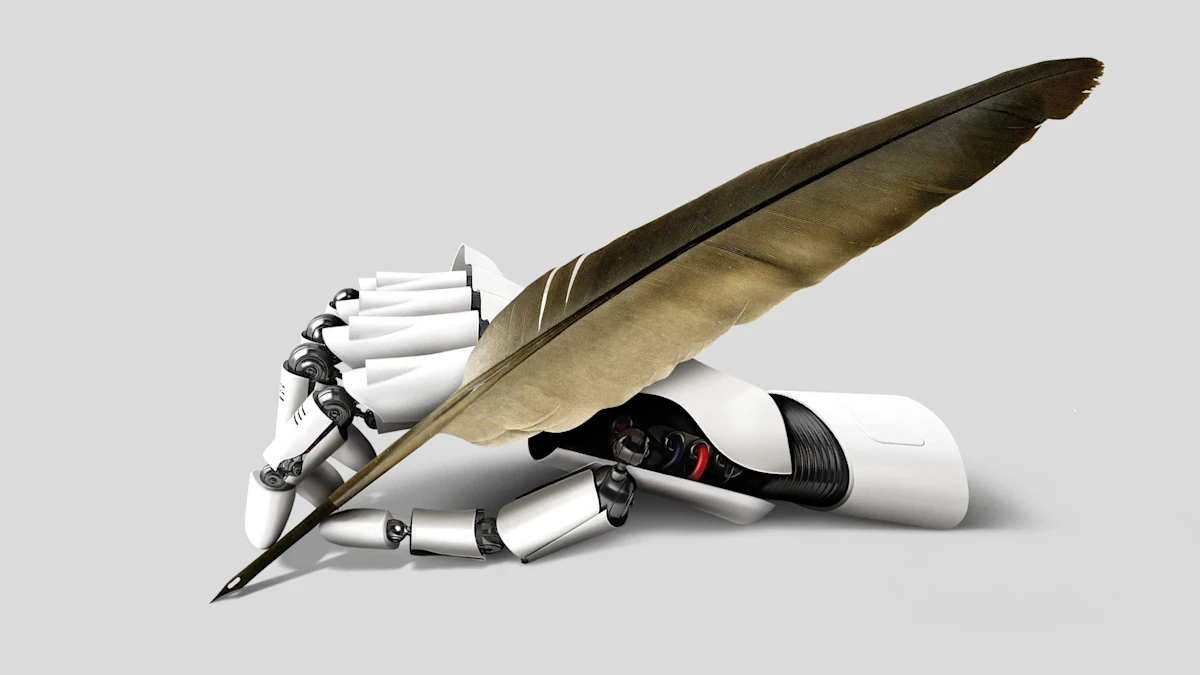
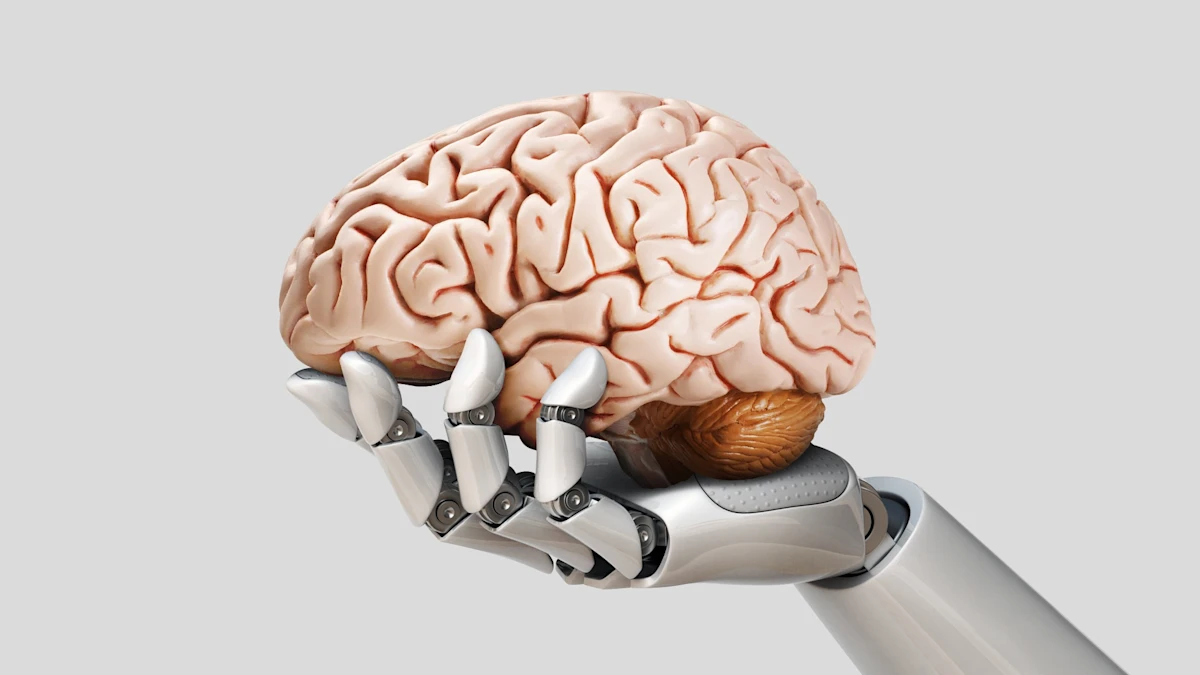
When Anthropic invited me to San Francisco a few months ago, I was both intrigued and immediately suspicious. What would a frontier AI lab want from a theologian and philosopher? The company was pursuing a “research partnership with wisdom traditions”, it told me, to “help inform the moral formation of AI systems”. I was aware that other AI companies were showing interest in the humanities, but it seemed Anthropic was taking this engagement to another level.
Theologians and philosophers are accustomed to being seen as irrelevant. You get used to doing your work, passionately convinced of its importance, with very little recognition from wider society. You show up to places prepared to explain wearily why these disciplines — which study the most fundamental questions faced by human beings — remain vital.
When I went to university, my choice to study theology was thought to be eccentric at best, tragic at worst. It was the age of the New Atheists and aggressive scientism. “The achievements of theologians don’t do anything, don’t affect anything, don’t mean anything,” the biologist Richard Dawkins wrote around then. “What makes anyone think that ‘theology’ is a subject at all?”
But that was the 1990s, and we live in different times. People are asking fundamental questions with urgency as the social and ecological fabric of their world unravels around them. AI, in particular, has become the space of an unexpected convergence between faith leaders, philosophers and theologians on the one hand and technologists and entrepreneurs on the other.
Weeks after my invitation, I heard Anthropic representatives brief a techy crowd of Oxford students and faculty with a surprising message. The frontier of AI development, they said, is not in computer science, but in moral and spiritual reflection. I couldn’t help wondering how this landed with the 70 or so graduate students who had sunk their assets into Stem qualifications.
Still, I was more worried about what new temptation…

 点赞
点赞 收藏
收藏 点踩
点踩 分享
分享