"Our government has wrong known"?

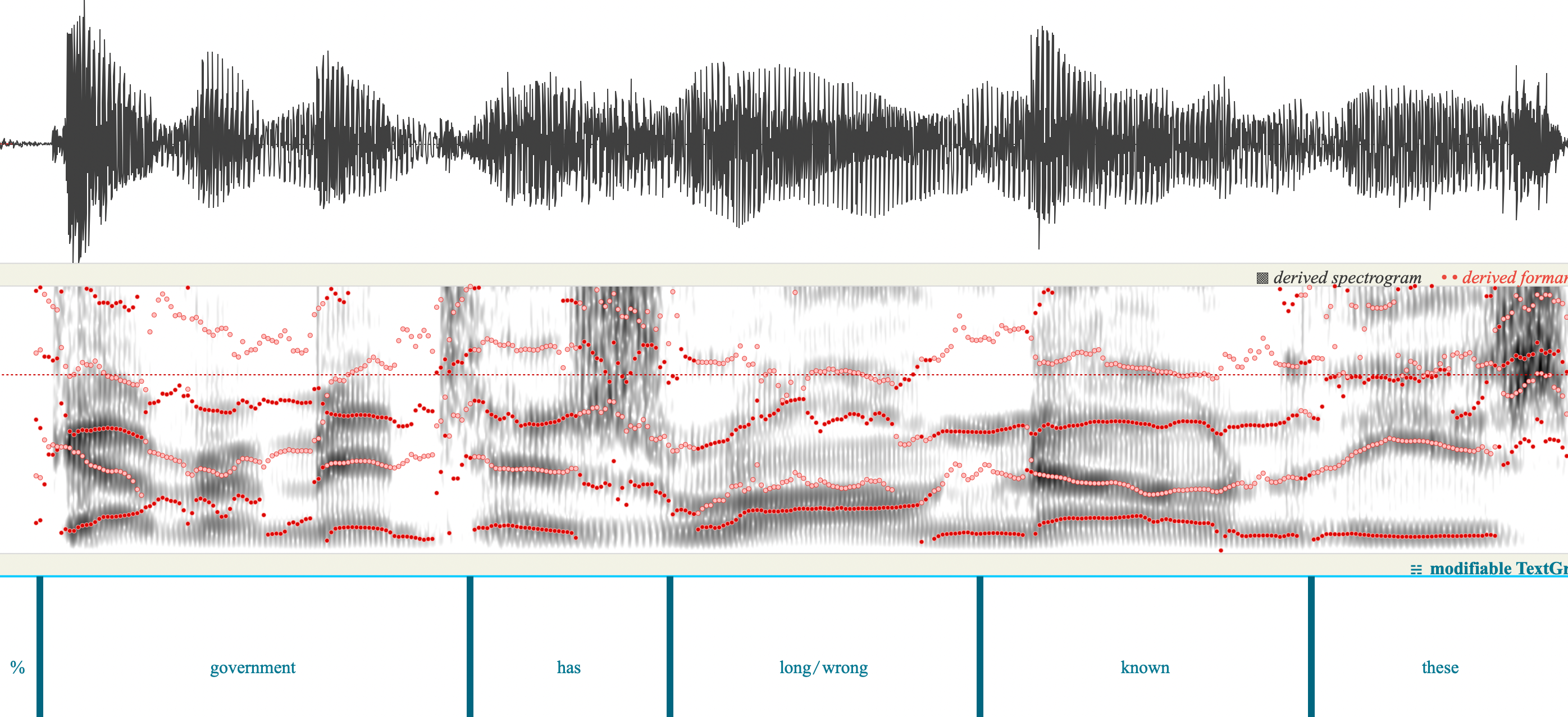
Thursday evening, President Trump gave a speech about election security, and since it was only 25 minutes long, I listened to the whole thing rather than relying on summaries. I'll leave the political analysis to others — what struck me was a speech error that happened a little more than half way through, at about 14:49:
Your browser does not support the audio element.
Tonight we're publishing a series of
previously classified U.S. intelligence community assessments
and other reports proving that our
government has wrong known these machines are
extremely exposed to attack.
Zeroing in on the relevant phrase:
Your browser does not support the audio element.
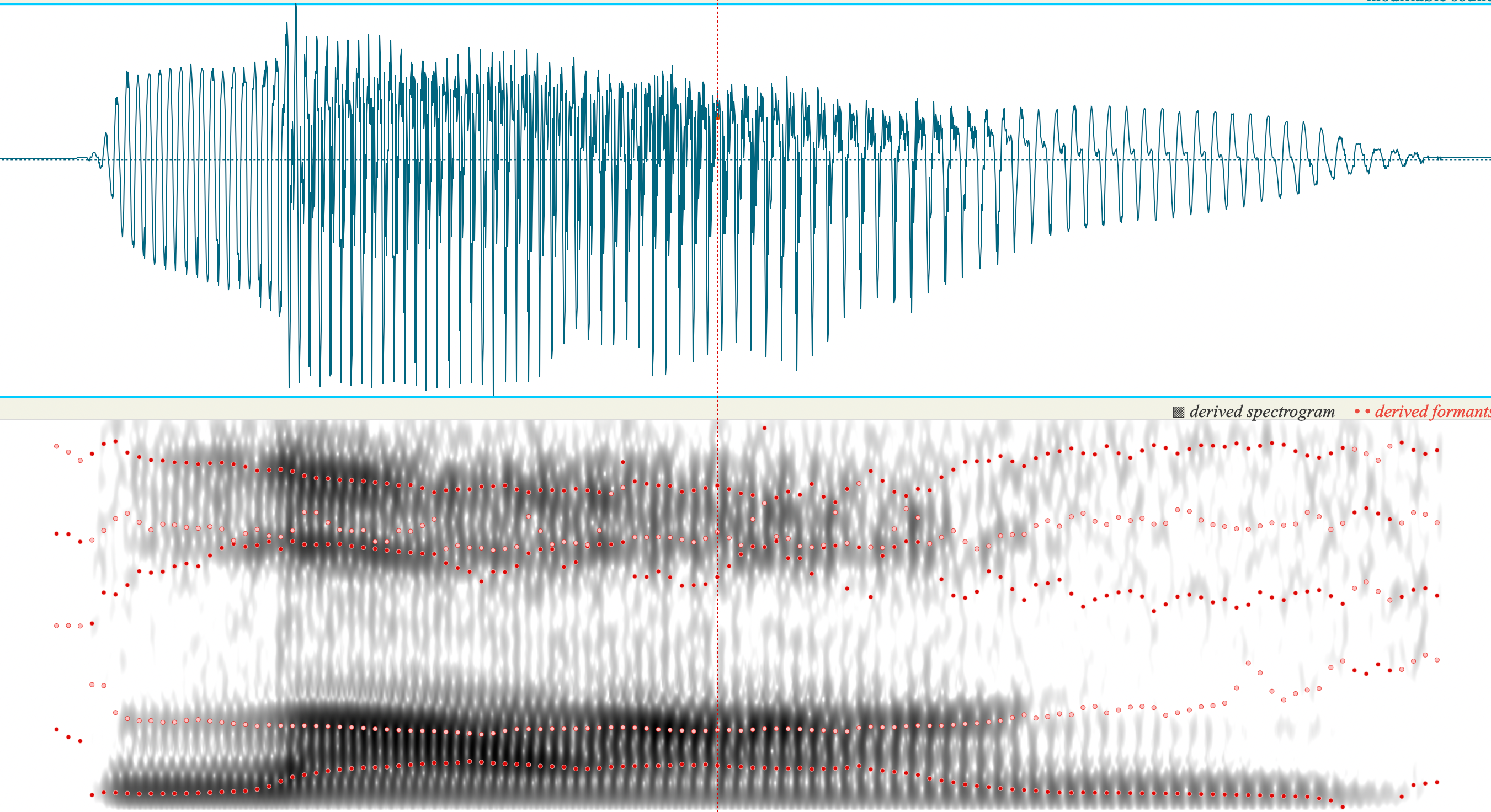
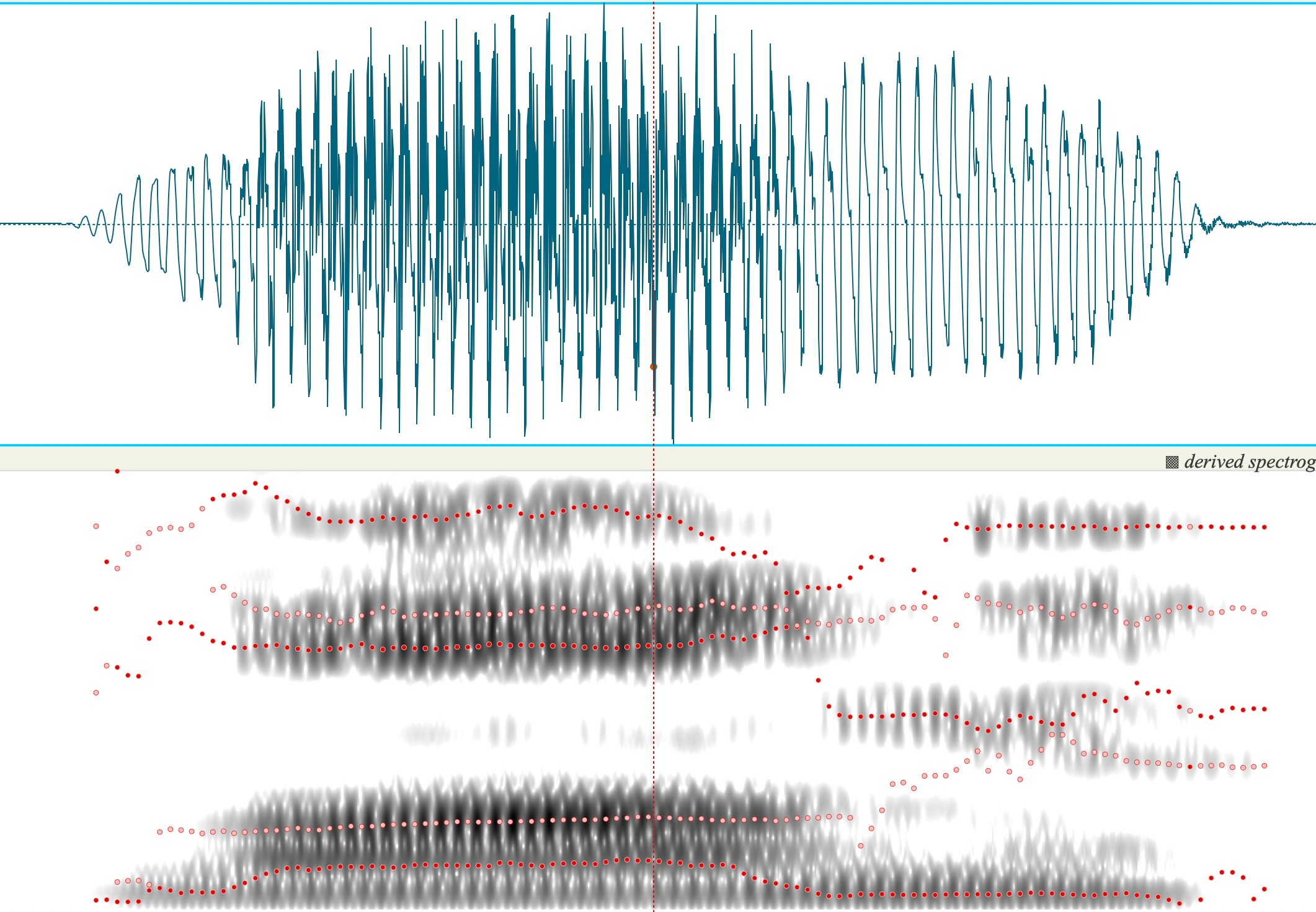
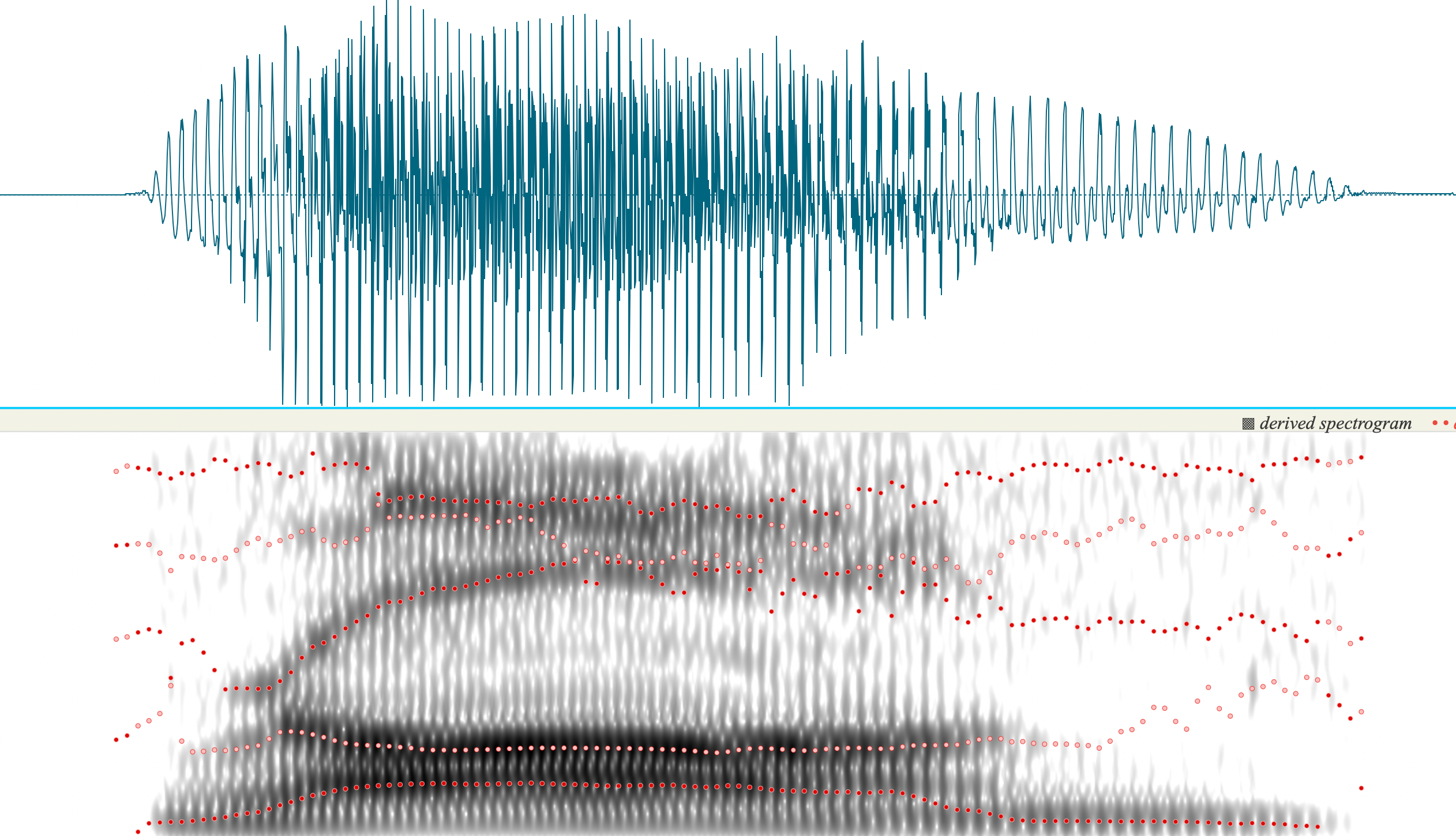
Since I'm more of a phonetician than a psychologist, my topic is the difference in formant trajectories between /l/, the onset consonant of "long", and /r/, the onset consonant of "wrong", rather than the (contested) Freudian interpretation of speech errors. In the spectrogram above, you can see that the third formant of the onset consonant of the word "wrong/long" is clearly rising into the following vowel (click on the image to see a larger version).
In a pronunciation of "long", F3 would be expected remain well above F2 in the syllable onset, as in Merriam-Webster's audio for "long"
Your browser does not support the audio element.
Or Wiktionary's ("general American") version of the same word:
Your browser does not support the audio element.
Compare the pronunciation of "wrong" from Merriam-Webster:
Your browser does not support the audio element.
Or from Wiktionary:
Your browser does not support the audio element.
Because the previous word in the president's phrase was "it's", we would expect the coarticulatory effect of /s/ to reinforce the higher F3 — the F3 lowering that actually occurred is a reliable indication of a rhotic articulation. As with speech errors in general, it's possible that the President's onset articulation was influenced by /l/ as well as /r/, but (for me at least) the perception is clearly /r/.
There's an interesting morpho-lexical question about why long has an adverbial version while wrong doesn't, but that's a topic for another day.

 点赞
点赞 收藏
收藏 点踩
点踩 分享
分享