 评论
评论 点赞
点赞 收藏
收藏“玉米”是个奇怪的词
这篇文章从"9月底年轻人想到 corn"的日常场景切入,探讨 corn 一词的语义分裂:在北美、澳洲、新西兰它指玉米(Zea mays),在英格兰传统上多指小麦(Triticum),在苏格兰则曾主要指燕麦(Avena sativa)。 作者指出,如今全球英语使用者大多把 corn 理解为玉米,但这恰恰是最新生的义项;真正的"原始 corn"并非玉米。文章属于语言学/词源学专栏,面向英语词源爱好者,信息有增量,但受众偏垂直,科技读者讨论入口较弱。
诺曼人曾为我们做过什么?
文章以英国博物馆首次公开展出11世纪《巴耶挂毯》为契机,讨论诺曼征服对英语语言史的深层影响。挂毯长达70米,记录了1066年诺曼征服英格兰及黑斯廷斯战役等事件。 在英语史叙事中,诺曼征服被视为古英语与中古英语的分界线,也是法语词汇大规模进入英语的起点。作者指出这一图景存在复杂性:英语在诺曼征服前已有大量拉丁借词;诺曼人带来的法语经过两个多世纪才真正在英语中大规模渗透。 文章属于 Dead Language Society 通讯,面向语言学爱好者,兼具历史叙事与语言演化分析。
反对“西塞罗式用词”
作者把 Substack 的订阅邮件文化类比到 16 世纪文艺复兴时期,当时大量拉丁词汇(Ciceronian style)涌入英语,引发“inkhorn terms”争议——批评者觉得这些新词只会让学者显得酸腐。 文章用仿 1553 年 Substack 订阅信的笔法呈现这段语言史:包括当年读者会收到什么措辞、哪些词最终进入英语核心词汇(如 frivolous、celebrate、clemency),以及百年争论对英语演化的影响。 末尾有完整词汇/拼法附录帮助读者理解。语言爱好者、历史写作者、Substack 创作者会感兴趣;科技读者兴趣中等但叙事有趣。
为了一匹*h₁éḱwos!
一篇用古罗马十月马祭仪式讲马这个词词源的文章。公元前275年10月15日,罗马战神祭典上,获胜战车的右马被刺死献祭,尾巴送往王宫旧址,头则用于后续仪式。 文章从这个血腥场景切入,追溯horse一词的印欧语词根*h₁éḱwos,串联拉丁语、梵语、希腊语中的同源词,揭示印欧人如何以马为核心构建语言与神话。
"weird"一词的千年演变:从"命运"到"奇怪"
"weird"一词源自古英语"wyrd"(命运),经苏格兰语保留后,因莎士比亚《麦克白》中的"weird sisters"进入英语,19世纪浪漫派诗人将其意义扩展为"怪异的",20世纪后进一步泛化为"奇怪的"。 OED数据显示,该词作为形容词的使用频率从1960年的2.3/百万词增至2010年的6.1/百万词,2017-2025年间稳定在15-17/百万词,已成为英语中最常用的词汇之一。 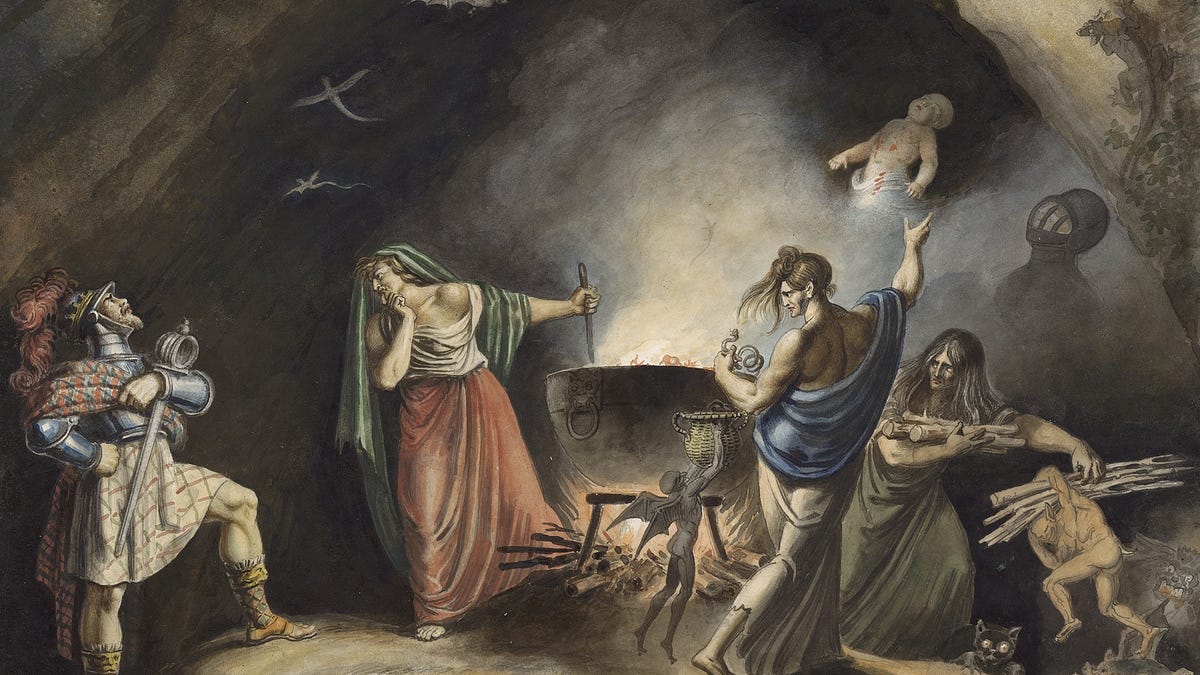
Medieval beach reads
There’s a dream people report having all over the world. Maybe you’ve had it too. It goes something like this: you’re in your own house, everything is as you’re used to, with one exception. There’s a ...
Does your name belong in the Odyssey?
Equal-Mind, son of Well-Persuaded, is the boldest of them, and the first to die. He is lifting a golden cup to his lips when the arrow goes through his throat. He dies kicking the table over, spilling...
I’m writing a book!
Now that the ink has dried on the contract, I can at last share some news that I’ve been sitting on for a while: I’m writing a new book! Unlike last time, this book will be non-fiction, and written in...
The fatal letter
Has ever a letter been imbued with such significance as the humble h? If you’ve seen the musical My Fair Lady — or read Pygmalion, the Shaw play it’s based on — you’ll know what I mean. In both versio...
The long shadow of the Celtic languages
Northern Burgundy, around 500 BC. They buried her in a wooden chamber,. her body carefully laid to rest inside a wooden cart. The wheels had been removed, as befit a woman’s grave. Around her neck the...
Why the word "mead" shows up in Chinese
Didao, State of Qin, 250 BC. Frost still lay on the ground when Heng began his work, but it had melted by mid-morning. By that point, Heng had already cleared the goods of a dozen merchants. He worked...
Why we love 19th-century writing
In recent weeks, several people have mentioned to me (quite unprompted) just how much they love Victorian writing. I must confess that I agree with them. I love to read 19th-century prose. I love to w...
Sir Gawain and the Green Knight Book Club 4. 1998–2530
This is a recording of the fourth and final session of our Sir Gawain and the Green Knight Book Club. This time, we covered: Does the girdle actually work? The Green Knight’s three blows What is Morga...
When will Modern English end?
AD 1155, Peterborough, Cambridgeshire. The light of a late winter afternoon reaches feebly through a cloister window. The light is thin, but it is enough to illuminate the work of the elderly monk as ...
There’s no such thing as g-droppin’
On the 3rd of June, we dined at the house of Mr. Uppington, a stationer lately removed to Cheapside, who had, by the enviable combination of industry and frugality, raised himself to a state of respec...
Sir Gawain and the Green Knight Book Club 3. 1126–1997
This is a recording of the third session of our Sir Gawain and the Green Knight Book Club. This time, we covered: The three hunts of Sir Bertilak The three hunts of Lady Bertilak The one temptation Ga...
How to read Beowulf (and actually enjoy it)
He’s lived too long. He’s sure of that now. Sea spray flecks his cheek. He’s close to where he found the barrow. Just one mile more, although a mile for an old man bearing a heavy load is no small dis...
English has no future
It was upon a morning of uncommon brilliance, in the Year of Grace one thousand eight hundred and eighty-seven — a date, dear reader, which shall presently disclose its peculiar significance — that an...
Sir Gawain and the Green Knight Book Club 2. 491–1125
This is a recording of the second session of our Sir Gawain and the Green Knight Book Club. This time, we covered: The symbolism of the Pentangle, or endless knot Gawain’s ride north Sir Bertilak’s un...
The ancient logic of “snuck”
I’m surprised that a war has never begun over a point of grammar. Wars have begun over a pig, a bucket, and an ear, but so far never grammar. Which, as silly as it may sound, is more surprising than y...
Why you’re not supposed to end a sentence with a preposition
Some historical figures seem prone to attracting anecdotes. The anecdotes are often spurious, but we don’t seem especially bothered when we learn they’re bogus. These apocryphal stories attach themsel...