An African Platinum Giant Mulls Going Even Bigger

Welcome to Next Africa, a daily newsletter on where the continent stands now — and where it’s headed. Sign up here. In today’s edition, we look at:
Plans to expand the world’s biggest platinum mineA court win for South Africa’s biggest political partyThe bid for diamond firm De Beers taking a new turn
A Big Platinum Play
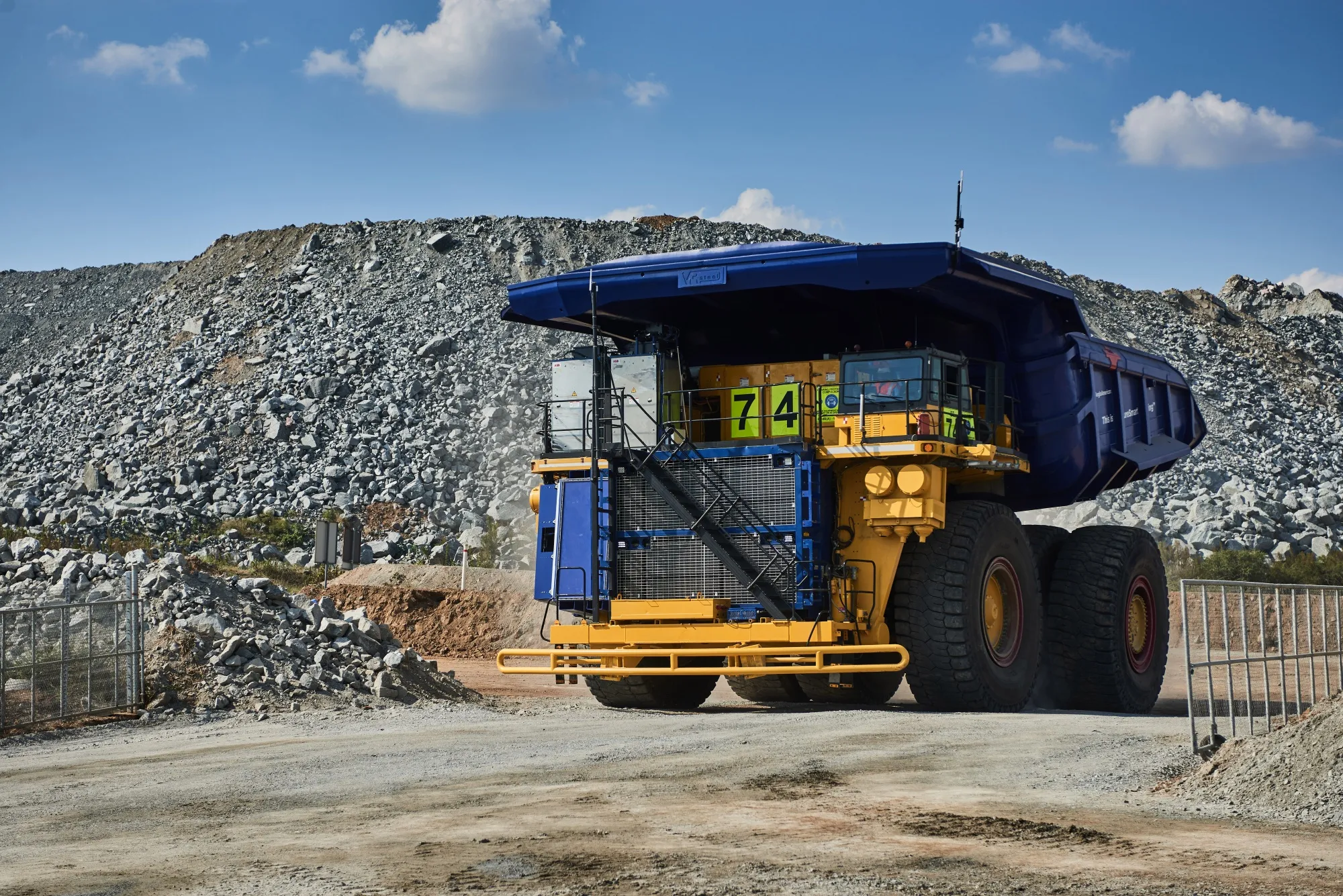
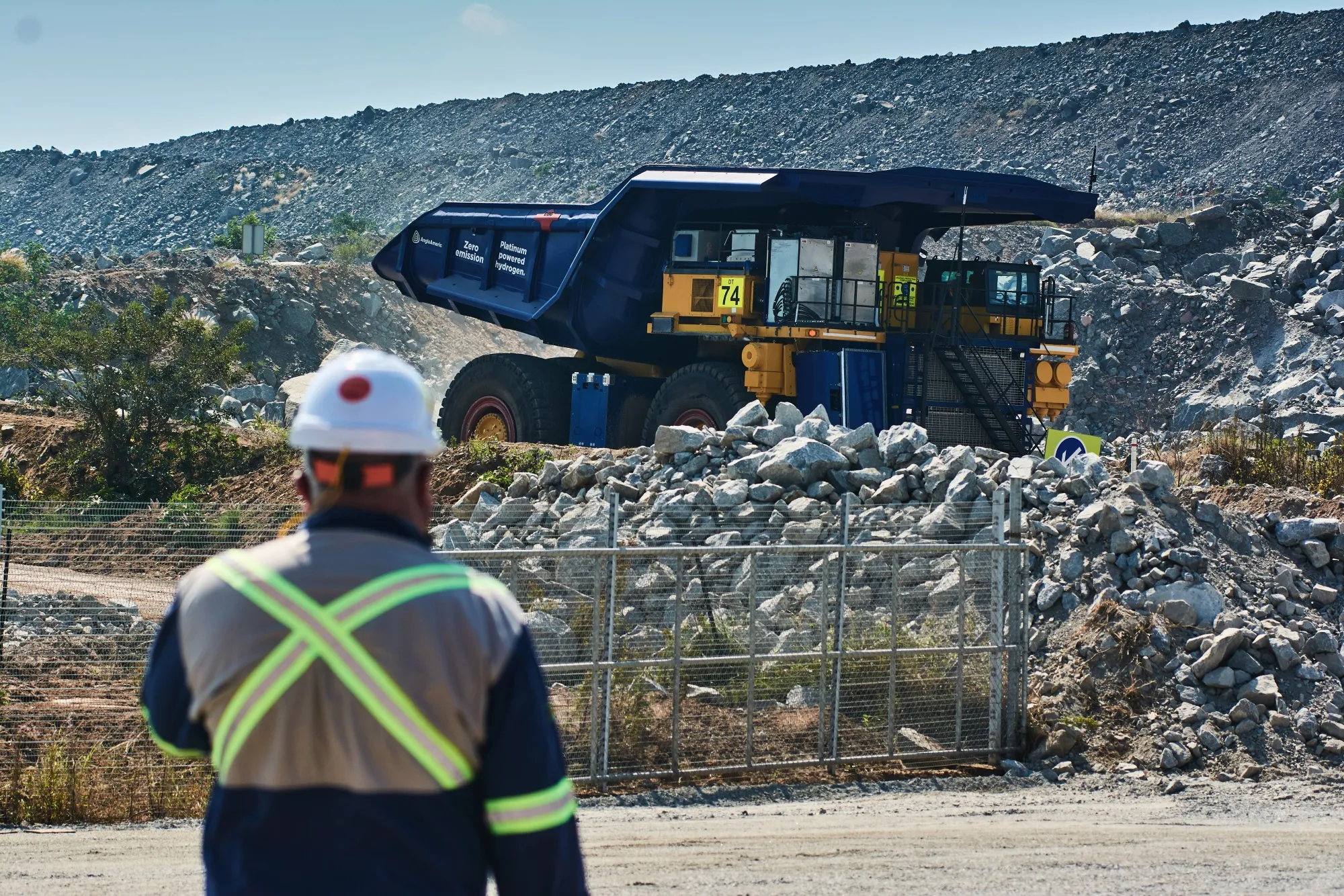
The world’s biggest platinum mine could soon be heading underground as Valterra prepares to make one of its most pivotal decisions since becoming an independent company.
Mogalakwena — in South Africa’s northern Limpopo province — is the former Anglo American unit’s flagship operation, with more than eight decades of reserves remaining.
As ore grades in the open pits decline, Valterra has been exploring beneath the surface and plans to reach a final investment decision on the expansion next year.
“We believe that going underground is the most cost-effective option for us,” CFO Sayurie Naidoo says in an interview on Bloomberg TV’s Chief Future Officer show.
If approved, the project will unlock millions of ounces of high-grade ore at a time when global output of platinum-group metals is expected to dwindle.
South Africa dominates PGM production, with Valterra, Sibanye Stillwater, Impala Platinum and Northam Platinum accounting for the lion’s share of supply.
A green light at Mogalakwena would be a vote of confidence from an industry that’s acutely sensitive to the uncertainty of future demand.
That’s because the biggest source of consumption — devices that curb harmful emissions from gasoline and diesel cars — is under pressure from the rise of electric vehicles.
Although Valterra says forecasts for the uptake of battery EVs have consistently proved overly optimistic, the company is still dedicating significant resources to developing new markets.
For instance, the AI build-out, involving massive investments in data centers and advanced chips, “is an area where we see a lot more potential,” Naidoo says.
What Everyone’s Reading
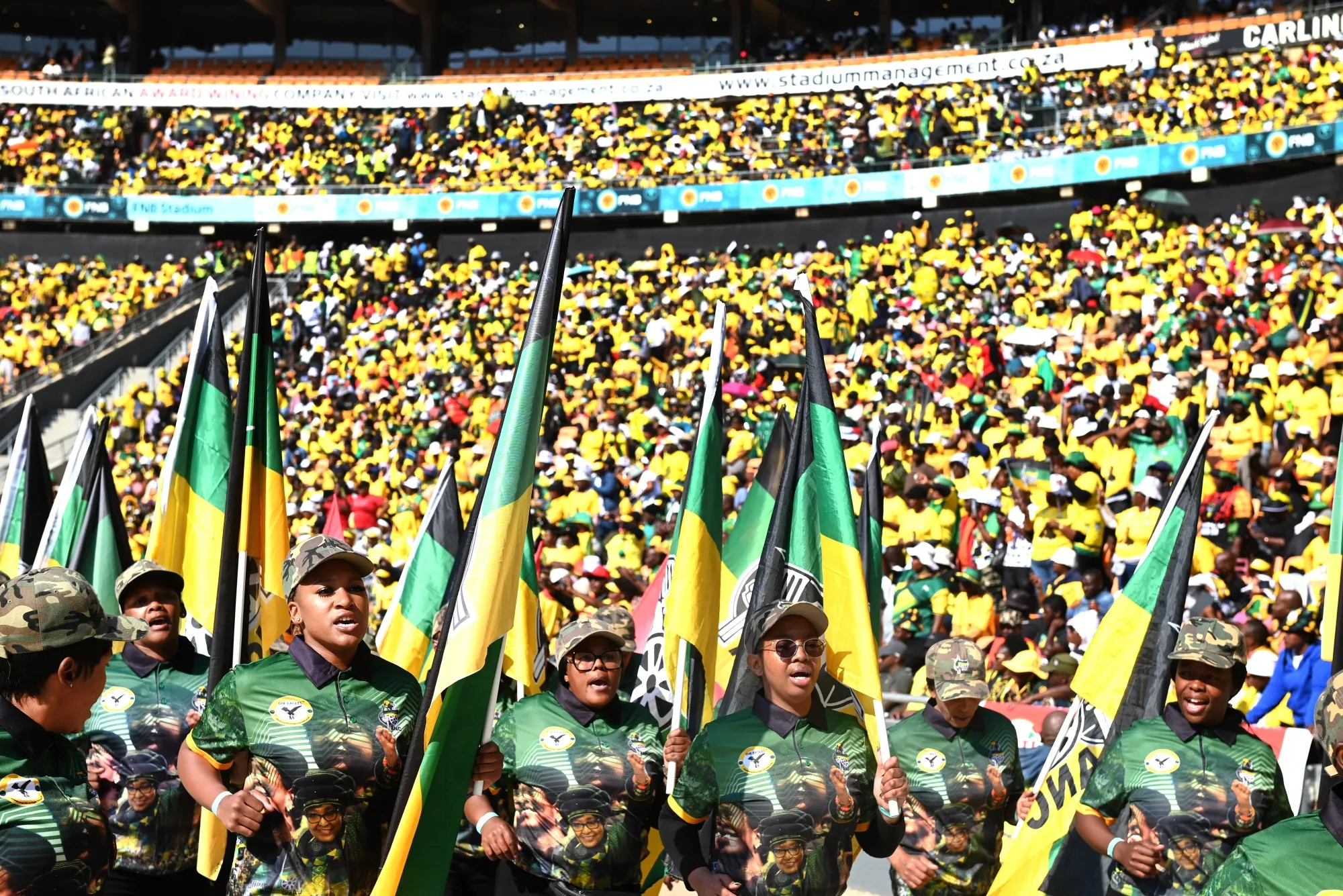
South Africa’s top court ruled in favor of the country’s biggest political party in a dispute over candidates excluded from next month’s municipal elections, a judgment that may delay the vote. The African National Congress approached the Constitutional Court to appeal a decision to disqualify more than 180 of its nominees after they failed to meet a submission deadline.
Mauritius was calm on Thursday following a spate of protests triggered by public anger about the cost of living and water shortages in the tourist hub. “All the island’s roads are passable and free of any obstructions,” the police said in a statement that noted a number of arrests overnight. The unrest was the worst the Indian Ocean nation has seen since 1999.
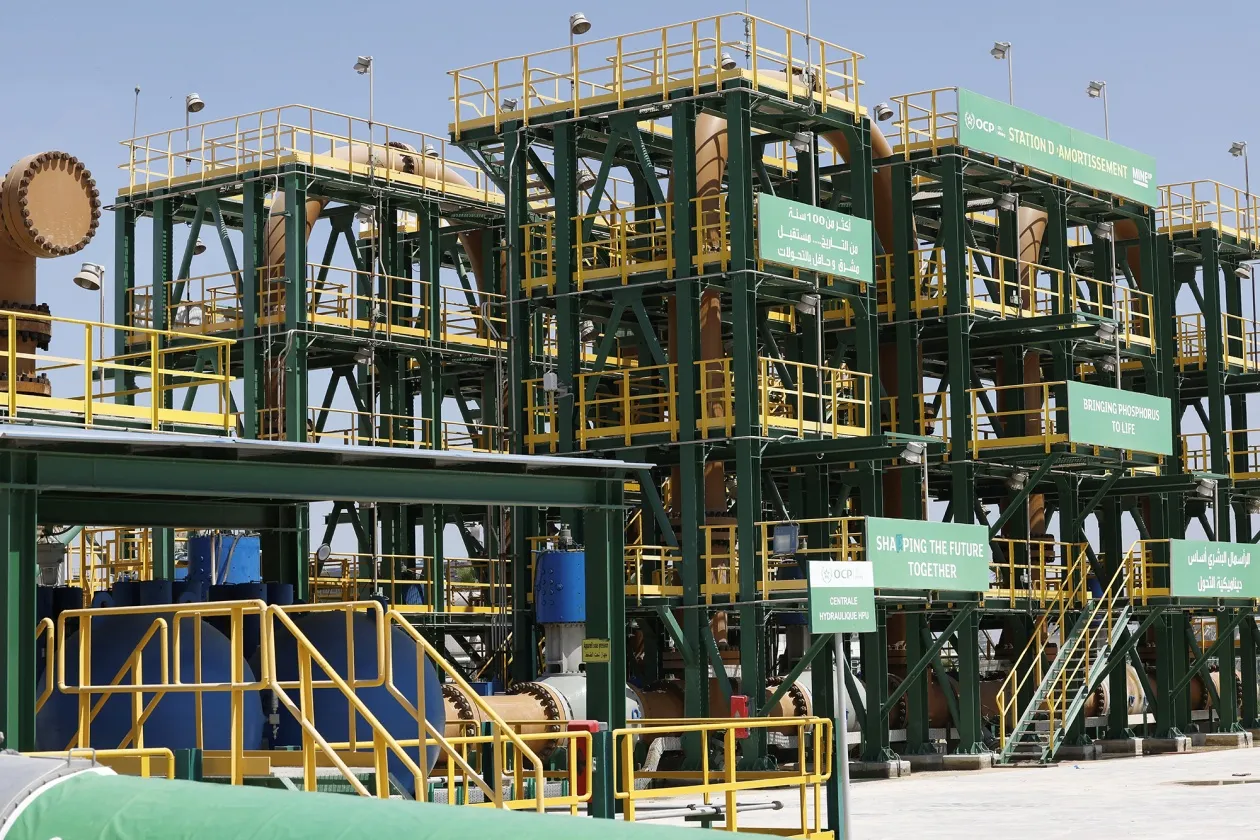
Morocco’s phosphate giant OCP is looking to attract partners for some of its businesses as supply disruptions caused by the Iran war hit profits. The state-owned company has started talks with local and foreign investors about a potential equity injection in Mzinda, its new fertilizer hub in central Morocco that’s slated to start production next year, a source says.
The IMF nudged up its forecast for economic growth in sub-Saharan Africa, but says it stands ready to help if geopolitical challenges put the region under undue strain. The lender projects the region will expand 4.5% this year and next, matching 2025. About 20 nations on the continent are at high risk of debt distress, says Zeine Zeidane, director of the IMF’s African Department.
Luxury giant Richemont and US retailer Signet Jewelers are in talks to join a group seeking to buy diamond giant De Beers, sources say. Their support may be seen by the industry as a boon for natural gems. The two firms are negotiating with Global Diamond Consortium — a vehicle headed by a former De Beers CEO — about joining the bid.

Zambia Says Some Copper Sales to China to Be Settled in YuanDangote Pushes African Market Access for IPO With Egypt Visit
Quote of the Week
“Africa is a continent of more than 50 countries and approximately 1.6 billion people and therefore it has room for more than one” Grand Prix. Blue Mountain Racing A group that is working to bring Formula 1 racing to Cape Town It was commenting on Rwanda securing a pact to host a Grand Prix.
Last Word
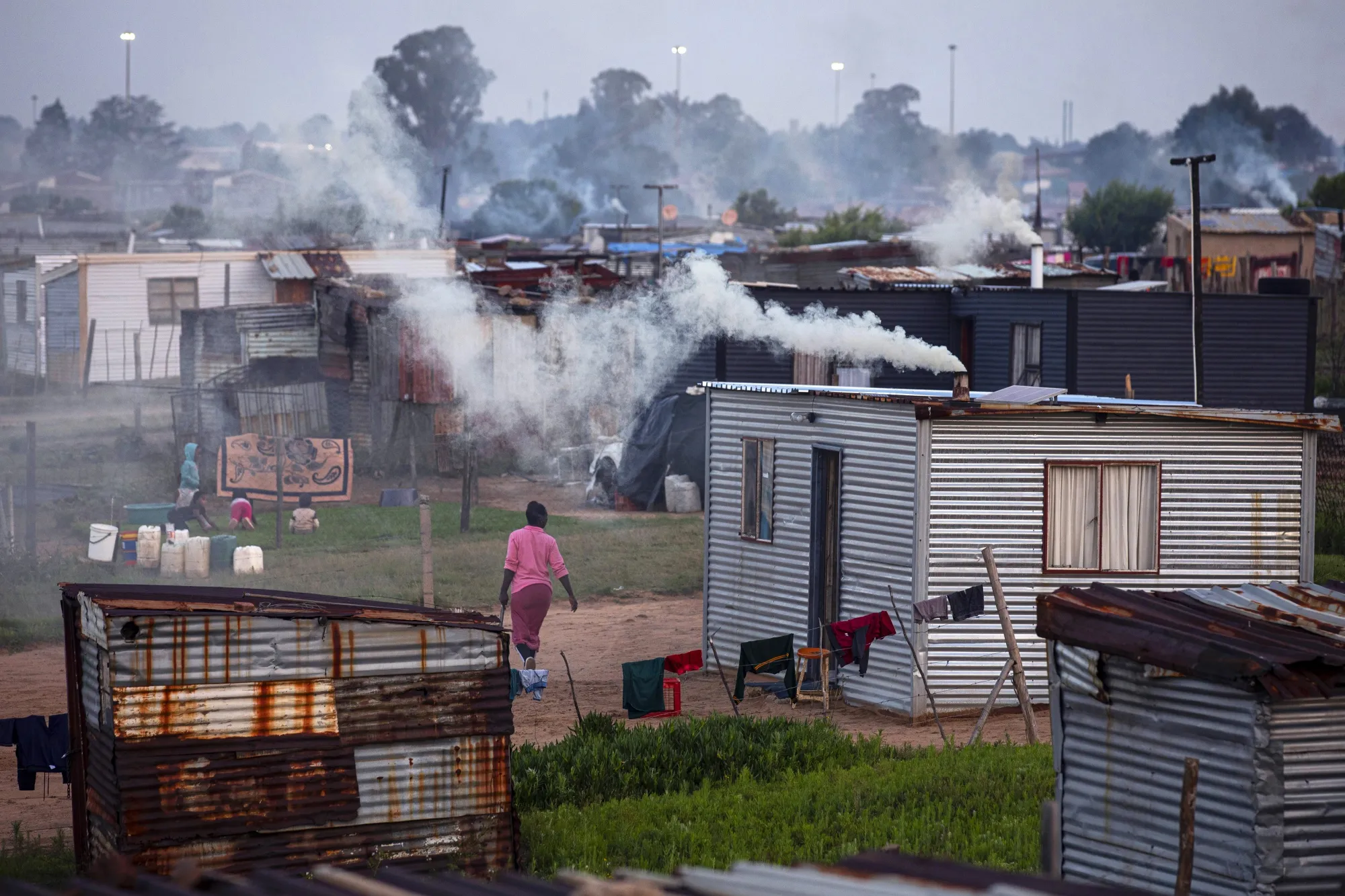
Most carbon finance in Africa is directed at clean-cooking projects, despite bountiful natural resources that could be utilized for other pollution-offset ventures. “We know that clean cooking matters deeply,” says Bernadette Arakwiye, Rwanda’s environment minister. “But Africa’s ambition cannot stop there.” The drive to transition about 1 billion Africans away from cooking on wood or charcoal fires has attracted funding because interventions are easy to measure and finance.
We’ll be back in your inbox with another edition tomorrow. Send any feedback to nextafrica@bloomberg.net.
More From Bloomberg
Enjoying Next Africa? You might also like:
Businessweek Daily for fresh perspectives on business, economics, politics and techMarkets Daily for what’s moving in stocks, bonds, FX and commoditiesBalance of Power for the latest political news and analysis from around the globeBloomberg Money for insights, ideas and tools for doing more with your moneyAI Today for a chronicle of the disruptions and threats of AI on businesses, workers, finance and economies

 点赞
点赞 收藏
收藏 点踩
点踩 分享
分享