EU Begins Assessing Additional Sectors for China Trade Quotas

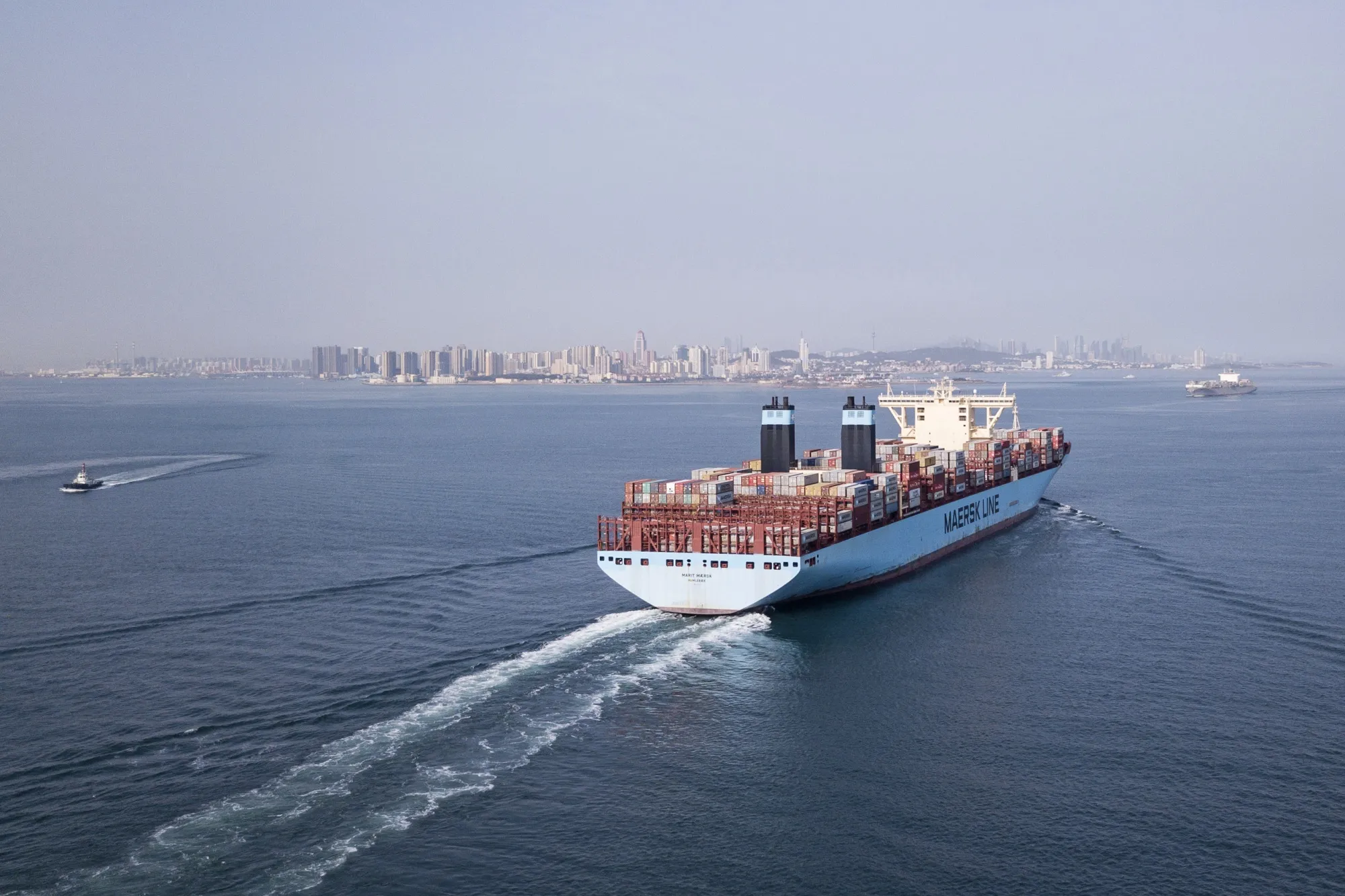
The European Union began evaluating trade data to detect surges in imports, a first step toward placing quotas on additional sectors of goods being shipped from China and other countries, according to a person familiar with the matter.
The European Commission, which handles trade matters for the EU, is assessing various sectors including chemicals and machinery, said the person, who spoke on the condition of anonymity. If the commission detects a surge in goods it can use safeguard measures such as quotas to restrict import volumes.
The commission will likely use the understanding it reached with China on hybrid vehicle imports — which saw the EU announce a cap of 350,000 cars a year — as a blueprint to apply to other sectors, according to the person. That means the EU will try to find a quota high enough to dissuade Beijing from retaliating.
A spokesperson for the commission didn’t immediately reply to a request for comment.
Some countries, including Germany, are pressing the EU to quickly place quotas on additional sectors of goods being imported from China to begin reducing the bloc’s massive trade deficit, Bloomberg reported earlier. Berlin was seeking proposals from the commission by the end of the year.
Low-cost and at times subsidized goods from China have been flooding the continent, eroding domestic industries and putting local jobs at risk. EU leaders are meeting in Brussels Thursday, discussing ways to address the trade deficit, which reached a record $34.8 billion in September.
Read More: Germany to Push EU to Impose Caps on More Chinese Imports
The commission doesn’t have a time frame for the new safeguard assessments, and is focusing on implementing the measures on hybrid vehicles, said the person. That agreement with China would also see Beijing cut tariffs on some auto parts, olive oil and ice cream.
The bloc’s executive arm is due to present a package of proposals ahead of an EU leaders’ summit in mid-December, including tools to incentivize European companies to diversify the suppliers they rely on and address overcapacity.
The EU’s trade chief, Maros Sefcovic, is due to take stock of progress and discuss next steps with his Chinese counterparts early next year. The EU is also seeking to improve market access in China and ease export procedures for critical minerals and permanent magnets.
EU to Cap Chinese Hybrid Car Imports at 350,000 Each YearGermany to Push EU to Impose Caps on More Chinese ImportsEurope Is Trying to Gauge How Much Pain It Can Take From China

 点赞
点赞 收藏
收藏 点踩
点踩 分享
分享