India May Raise Fuel Prices in November, Oxford Economics Says

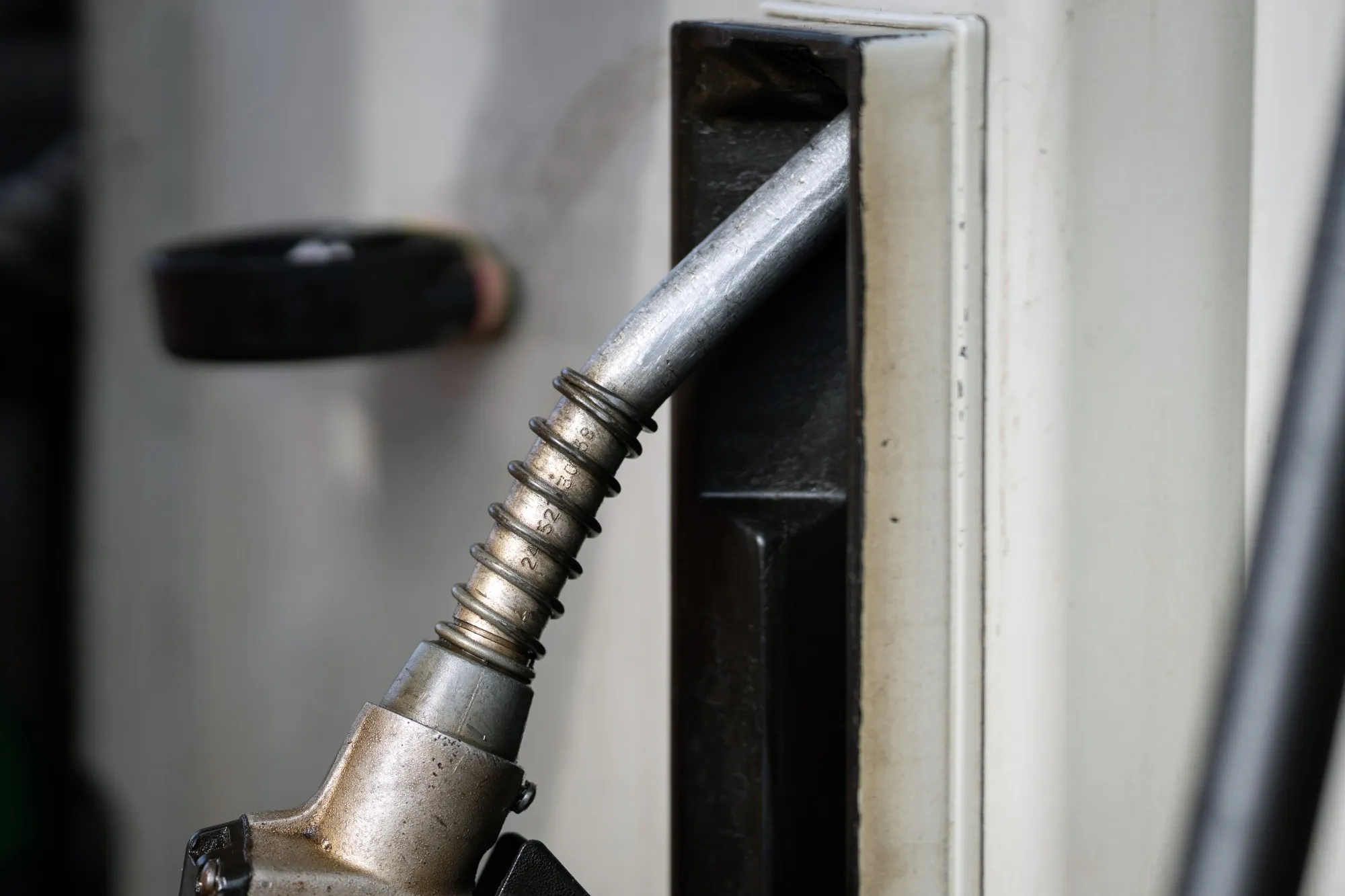
India may raise fuel prices moderately in November, a brief window to do so before crucial state elections early next year, Oxford Economics said.
“We regard November as the last realistic window” for price increases at the pump, “before campaigning for early-2027 state elections intensifies,” Alexandra Hermann Prasad, lead economist at Oxford Economics, wrote in a note Thursday. Five of the seven states holding elections next year, including key Uttar Pradesh and Punjab, will vote between March and May.
The fuel price increase could be around half the magnitude of the cumulative 7.5% increases in May, the only period when pump prices rose in response to the war in the Middle East. This could lift retail inflation to 6.2% in the October-December quarter and 6.5% in the first three months of 2027, Hermann Prasad said. The readings would be above the Reserve Bank of India’s mandate of keeping it within the 2%-6% range.
Oxford’s projections are higher and directionally different from what the central bank expects. The RBI, in its monetary policy review earlier this month, projected inflation at 6% in the October-December quarter, and for it to moderate to 5.7% in the January-March period. Oxford’s model suggest price pressures intensifying next year.
For the full fiscal year through March, Hermann Prasad forecast inflation at 5.4%, above the Reserve Bank of India’s 5.2% projection for the year.
The Oxford economist, however, said if authorities do not announce a fuel price increase in November, her inflation projections should come down by 10-30 basis points in the coming quarters.
Nevertheless, “inflation would remain elevated,” and may require the central bank to raise rates in the December and February policy meetings by 25 basis points each, following October’s quarter-point increase. Inflation rose 5.54% in September, the highest since late-2024 and up from 4.83% in August.
The RBI’s recent currency-market measures should contain rupee volatility, “but elevated oil prices and persistent external financing pressures mean intervention alone is unlikely to deliver lasting currency stability,” she said.
The Oxford economist also doesn’t expect broadening protests against the government over allegations of electoral malpractice to materially affect growth, as “disruption has largely centered on Delhi and remains too limited.”

 点赞
点赞 收藏
收藏 点踩
点踩 分享
分享