No Quick Fix as EU Leaders Face Energy Price Surge

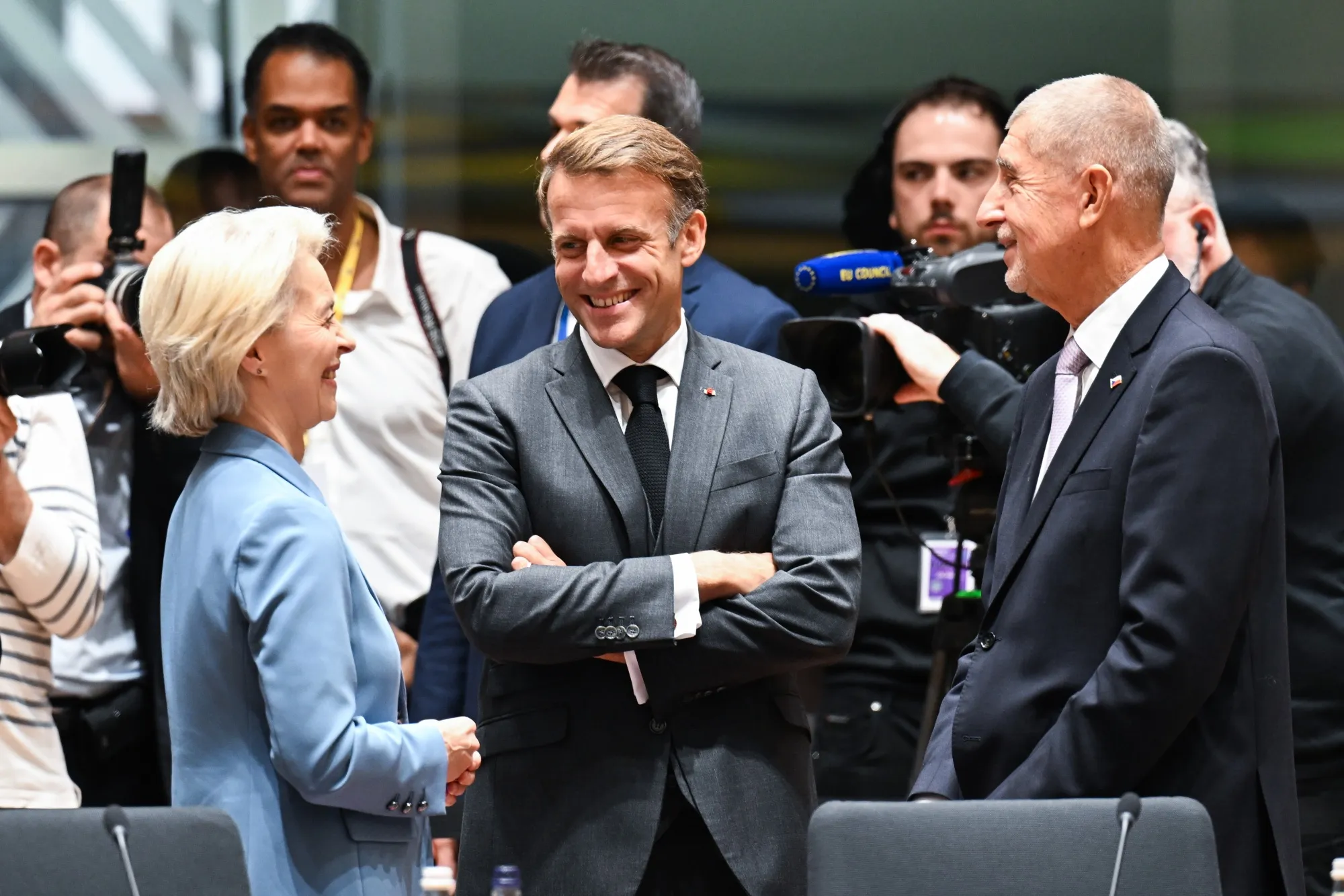
Welcome to the Brussels Edition. I’m Suzanne Lynch, Bloomberg’s Brussels bureau chief, bringing you the latest from the EU each weekday. Make sure you’re signed up.Surging energy prices are high on the agenda of a two-day summit of European leaders that began this morning in Brussels.
The Iran war has so far added more than €100 billion ($111 billion) to Europe’s fossil fuel import bill, while leaving the region’s gas storage at record low levels before the winter heating season.
While adding to the region’s inflation headache, it’s also forcing national governments to make tough decisions to cushion consumers and businesses at a time when budgets are under pressure.
“Beyond national initiatives, it is important to have a European response to this major, thorny problem that affects all European countries,” Kyriakos Mitsotakis, Greece’s prime minister, told reporters as he arrived at the gathering today.
In reality, the EU has very few tools to address the price surge in the short-term. The commission is expected to prolong state aid to hard-hit industries, while it is delaying the introduction of a new methane rule to tackle emissions in fossil fuel imports. But neither will do much to tackle the short-term problem, John Ainger and Ewa Krukowska report.
The commission has also pledged to assess a bloc-wide windfall tax on energy profits, though in reality that proposal faces significant headwinds
Countries including Slovakia, the Czech Republic and Italy want to postpone the planned extension of the Emissions Trading System to heating and the road-transport sector, which is slated for 2028.
In terms of concrete decisions today, very little is expected. A draft of the communique set to be signed-off by leader will task the European Commission, the EU’s executive arm, to put forward further measures to address the energy crisis.
In the meantime, energy costs look set to stay elevated as war in the Middle East and Ukraine show no sign of ending anytime soon.
Around Europe
The European Central Bank is unlikely to step in anytime soon with market intervention to help France, the former bank chief Mario Draghi told Bloomberg’s John Micklethwait at the New Economy Forum in Delhi. The EU and the Gulf Cooperation Council postponed their flagship political summit as host Saudi Arabia comes under attack from Yemen’s Houthis, the latest high-profile event to be disrupted by the violence. Ukrainian President Volodymyr Zelenskyy has ordered attacks on Russian oil refineries to resume in a spiraling confrontation with Donald Trump over restrictions on US intelligence assistance.The shock from turmoil in French debt has yet to show up in the country’s market for short-term funding, signaling a broad credit crisis is off the cards for now. UniCredit SpA is working on a potential deal to hedge €1 billion in German home loans as it prepares to expand its footprint in Europe’s biggest economy.
Seen and Heard on Bloomberg
Ola Källenius, CEO of Mercedes-Benz Group, welcomed the recent deal to cap the imports of Chinese hybrid vehicles to the EU. Kallenius, who also heads the auto lobby group ACEA, stressed the importance of a level playing-field but predicted that non-EU carmakers would continue to invest in Europe just as European companies have expanded overseas. “We welcome this agreement but ultimately it is up to the EU to improve its competitiveness,” he told Bloomberg’s Oliver Crook in Brussels.
Chart of the Day
Germany’s economy has been showing signs of recovery. The question for Chancellor Friedrich Merz is whether it’s coming in time to help him shift the narrative and ultimately save his job. The German leader is saddled with dismal approval ratings, an unpopular party and a fractious coalition. He also suffered the humbling state election defeats in Saxony-Anhalt on Sept. 6 and two weeks later in Mecklenburg-Western Pomerania, undermining his grip on the party.
Coming up
EU Summit continues tomorrowEurozone inflation data tomorrow Commissioner Jozef Sikela participates in the G7 Development Ministerial Meeting tomorrow in Bangkok
Final Thought
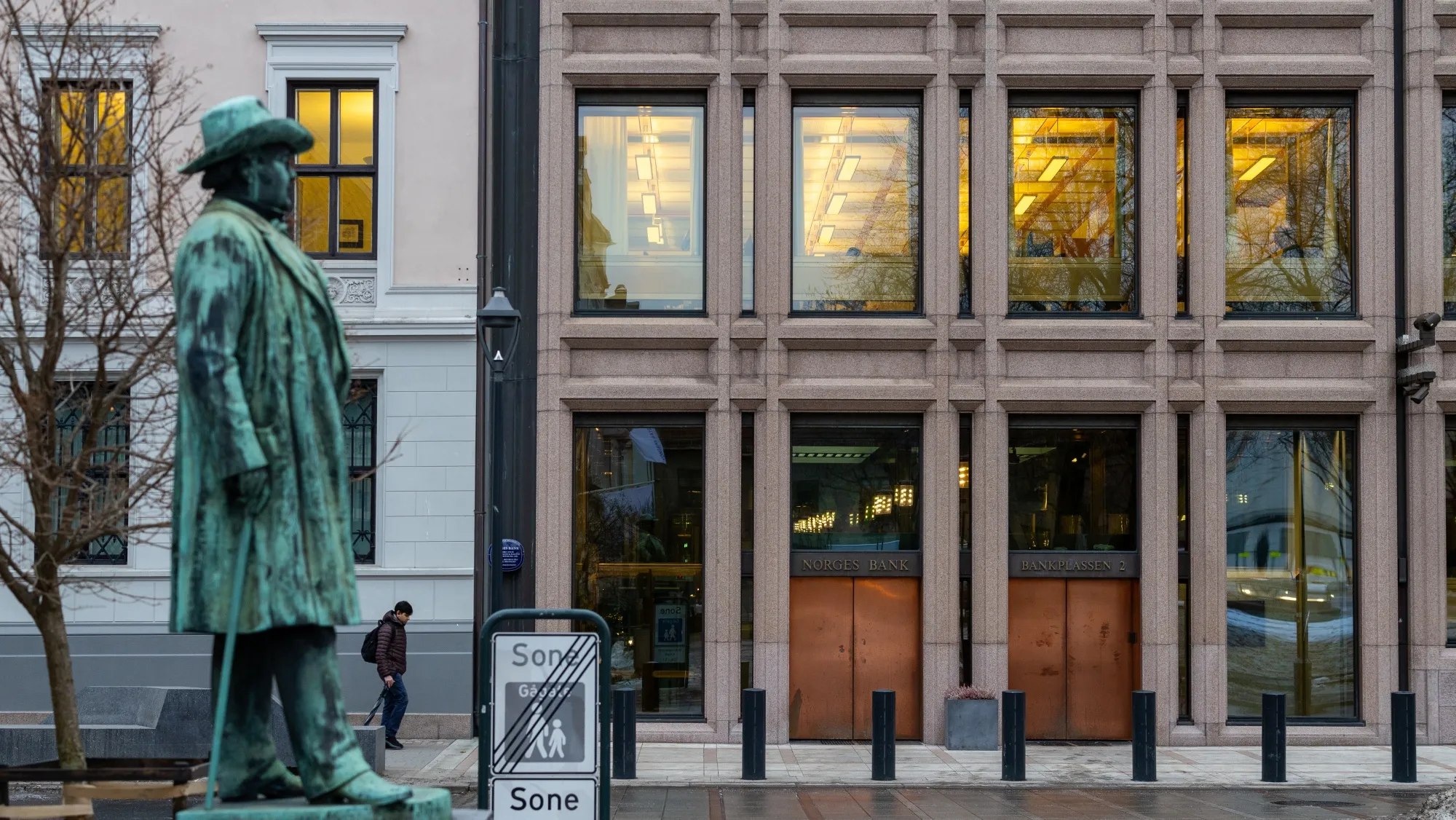
Norway’s $2.3 trillion sovereign wealth fund should be allowed to invest in some nuclear stocks and have a higher bar for divesting from companies, according to a proposal for new ethics rules by a government-appointed expert committee. The ethics guidelines of the fund were paused last year following intense controversy after its divestment of Caterpillar stock led to tensions with the Trump administration and stoked fears of a firesale of tech holdings, worth as much as $230 billion back then. The Nordic nation also shelved the role of the independent Council on Ethics. The committee, chaired by former central bank Governor Svein Gjedrem, on Thursday proposed reinstating ethics tools.

 点赞
点赞 收藏
收藏 点踩
点踩 分享
分享