Takaichi Trade Gets a Rethink One Year On as Bond Appeal Grows

For much of Sanae Takaichi’s first year as prime minister, the prevailing trade in Japan was straightforward: buy stocks, sell bonds. Not anymore.
Fund managers at major asset management firms including JPMorgan Asset Management and Mitsubishi UFJ Asset Management Co. are beginning to rethink the so-called Takaichi trade and turn less bearish on bonds. Yields have reached attractive entry points at Japan’s latest bond auctions, while growing pressure from Washington for fiscal restraint constrains her expansionary agenda.
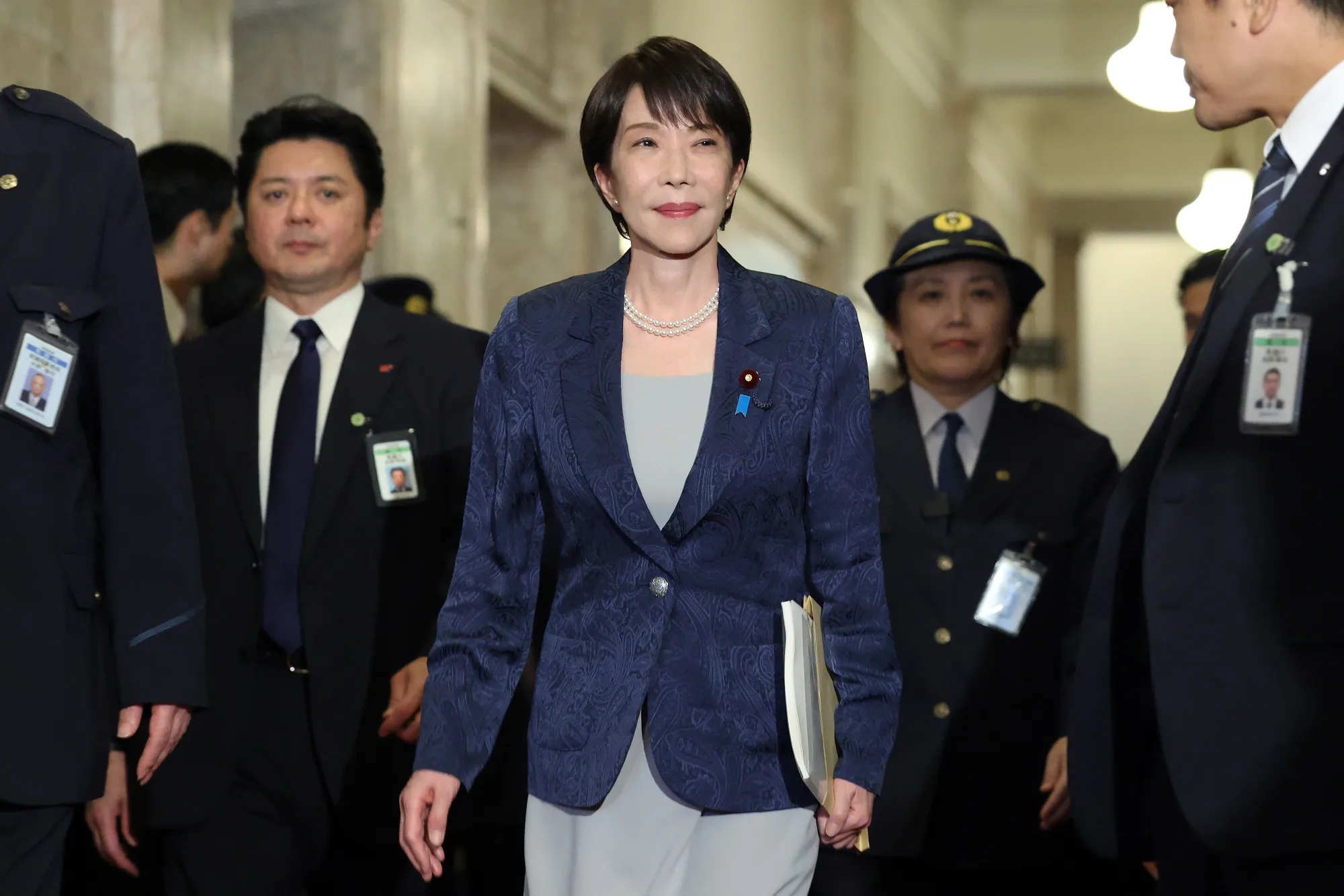
Takaichi’s expansionary stance and planned state support for strategic industries helped push stocks to record highs, after renewed debt fears sent shockwaves through global bond markets in January. A portfolio long the Topix and short Japanese government bonds has returned more than 30% over the past year, beating the Topix, Bloomberg Intelligence data show.
“When we look at the JGB long-end, there’s definitely value being created where the yields are right now,” said Sylvia Sheng, multi asset solutions lead portfolio manager at JPMorgan Asset Management. She closed her short positions in 10-year JGBs to turn neutral in September.
Although global macro risks including Middle East tensions are keeping Sheng from buying JGBs outright, her decision to close bearish positions marks a clear shift. She previously thought that yields would keep rising as markets priced in expansionary fiscal policy, increased debt issuance, and signs that underlying inflation was approaching 2%.
Takaichi’s reluctance to embrace tighter monetary policy raised concerns the Bank of Japan would fall behind the curve on inflation. Expectations of more borrowing to fund her economic agenda also fueled a bond selloff, nearly doubling Japan’s 10-year yield to about 3% during her first year in office.
While global yields climbed on energy-driven inflation fears from the ongoing conflict in Iran, JGB volatility stood out due to the inflation-risk premium attached to her administration. Super-long debt, the most sensitive to Japan’s fiscal outlook, bore the brunt of the instability, with 30- and 40-year yields surging to historic highs.
That selloff has impacted bond valuations, leaving yields at their most attractive levels relative to equities in two decades. The 10-year JGB yield comfortably exceeds the Topix’s 2.3% dividend yield—leaving the gap between the two at its widest level since records began in 2005.
“Investors can effectively get a 3% return without doing anything just by sitting money in bonds now,” said Kiyoshi Ishigane, executive chief fund manager at Mitsubishi UFJ Asset Management Co.
Ishigane, who oversees around ¥30 billion ($189 million), has been paring back his underweight position in JGBs toward neutral as long-term yields rose past 2.5%. Yields above that level may be overshooting what Japan’s economic fundamentals justify, he noted, given the BOJ’s 2% inflation target and real growth remaining below 1%.
Concurrently, Ishigane has dialed back his Japanese stock holdings. He warns that higher global yields and rate hikes in both Japan and the US risk cooling growth, while rising bond returns threaten to draw funds out of equities. “I don’t see higher yields being positive for equities in any way,” he said.
Investors like Ishigane and JPMorgan Asset Management’s Sheng are not alone: open interest in JGB futures has fallen to around 186,000 contracts from a peak of roughly 211,000 in September, signaling a retreat from short positions as JGB futures rebounded this month.
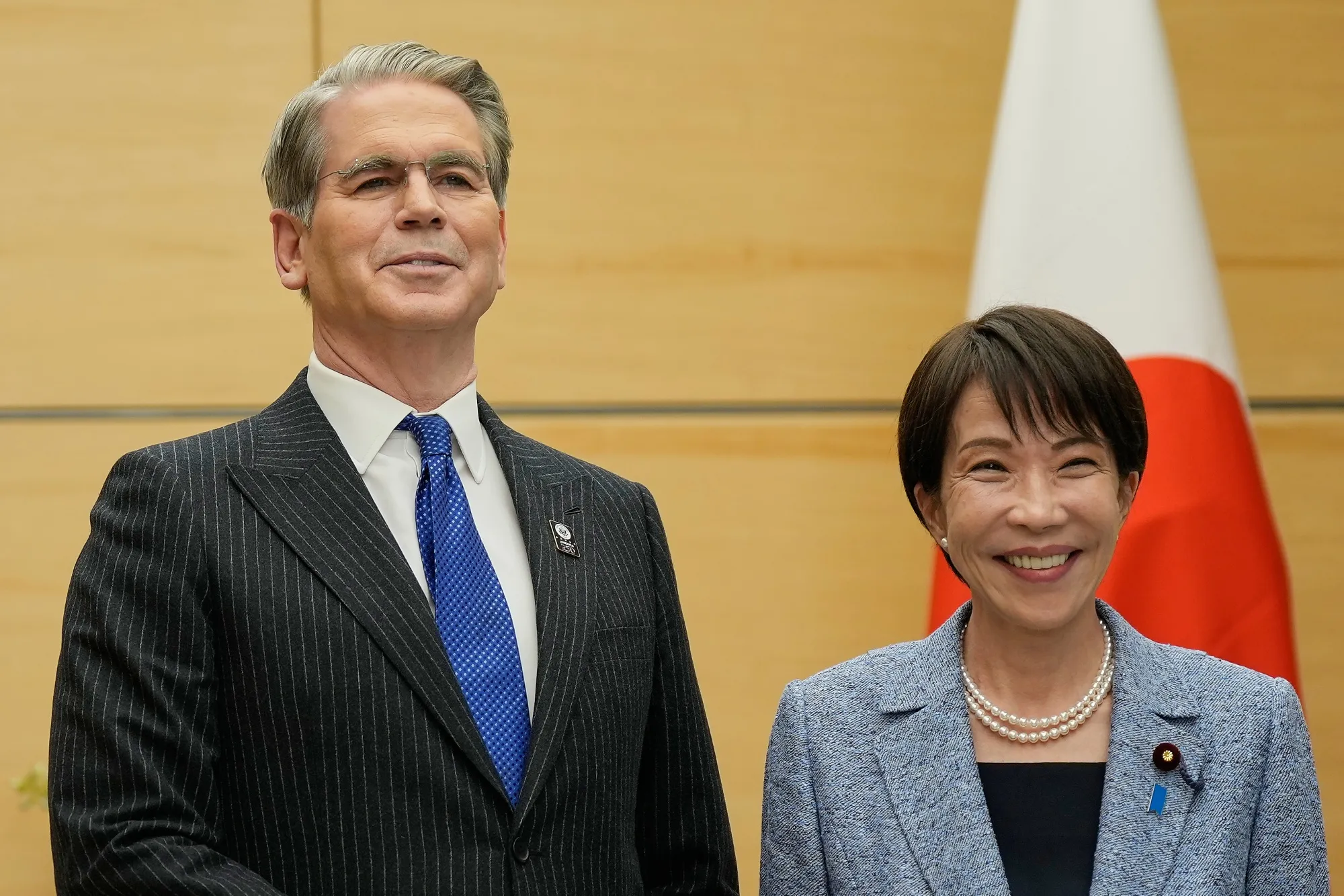
Growing pressure from Washington on the Takaichi administration to rein in spending and move away from ultra-loose monetary policy may also help keep Japan’s fiscal trajectory in check. US Treasury Secretary Scott Bessent has repeatedly urged Tokyo to exercise fiscal discipline and allow interest rates to rise, criticizing reflationary policies that risk weakening the currency. Investors speculate Washington gained extra leverage after joining Tokyo in a rare joint currency intervention to support the yen in late July.
BOJ Policy
The geopolitical backdrop is already shifting market expectations for the central bank, according to Yoshitaka Miura, a fund manager at Asset Management One Co. In his view, the joint US–Japan currency intervention signaled that the Takaichi administration can no longer tolerate further yen weakness or unchecked inflation, effectively obligating Tokyo to support BOJ rate hikes in exchange for Washington’s assistance.
“There’s a higher likelihood for the BOJ to hike going forward, and the consensus is now every three months as opposed to six,” said Miura, who is involved in managing ¥1.3 trillion in fixed-income products.
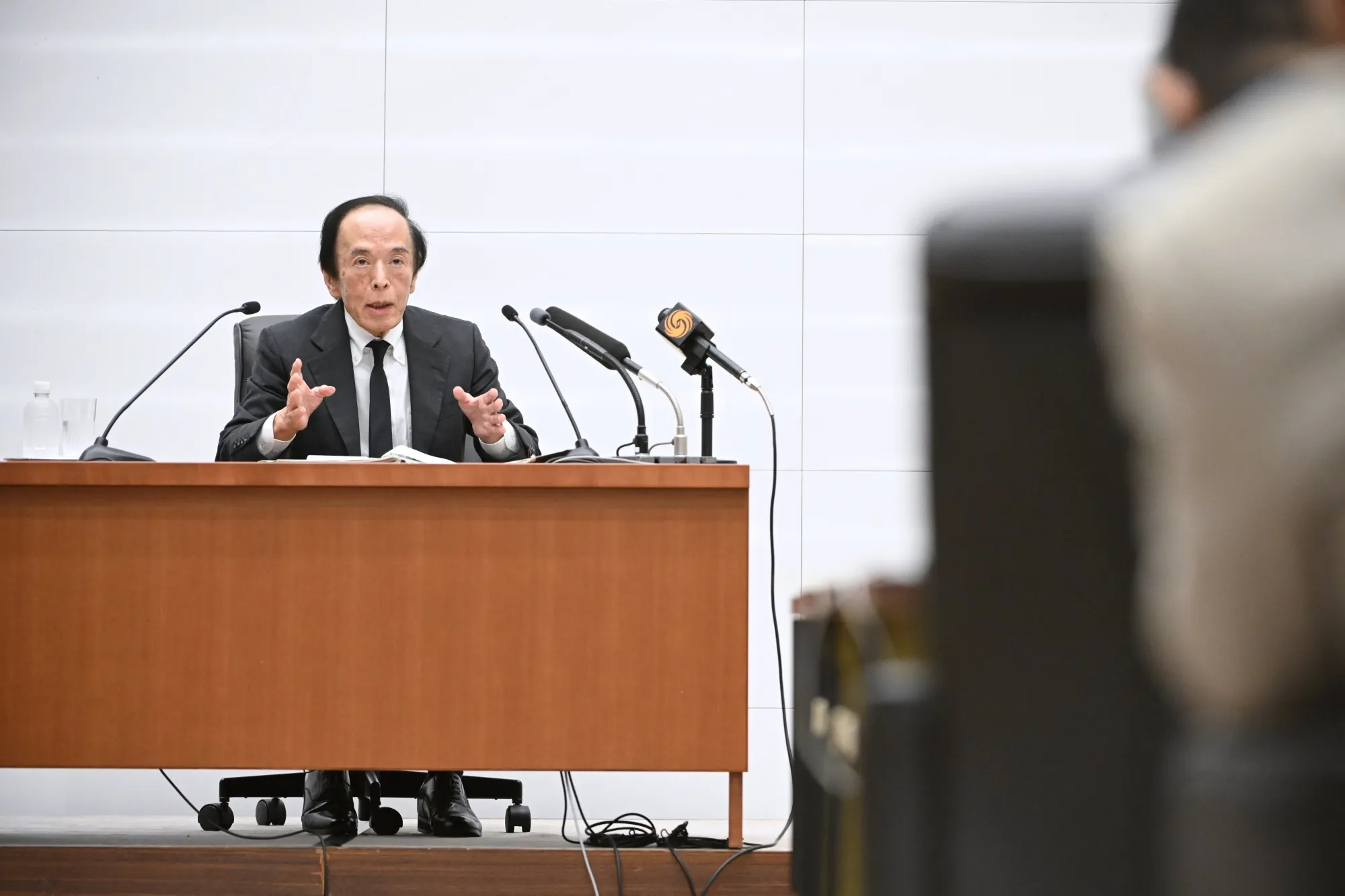
For the bond market, a faster BOJ hiking cycle and renewed confidence in its ability to contain inflation point toward a classic yield curve flattening, where short-term yields rise while ultra-long rates anchor or decline, according to Claire Huang, senior Asia macro strategist at Amundi Asset Management.
That structural shift is prompting macro investors to re-examine the core premises of her early policy momentum. “The typical Takaichi trade was long equities and short bonds,” said Huang. “It has been an interesting development that at least one or two of her all-in inflationary policies have been pressured by the developed-market peer: Washington.”
New Buying Power
Policy backstops are also offering support to the bond market. Finance Minister Satsuki Katayama surprised investors in July by floating the idea of having the Government Pension Investment Fund buy more domestic assets, signaling official intent to shore up demand and stem the rise in yields. Meanwhile, ongoing discussions to include JGBs in the tax-exempt NISA program have raised expectations for an influx of retail buying power.
“Finally seeing the finance minister talk about some of these measures made me think perhaps we’re closer to a change,” said Idanna Appio, a portfolio manager at First Eagle Investments. “If we saw some of these asset allocation shifts — from GPIF or by encouraging more domestic ownership of JGBs — I think that would help the supply-demand balance in Japan.”
Appio added that the Takaichi administration remains better positioned to execute its fiscal strategy than peers in the US or France, where political instability has clouded the fiscal outlook.
With Takaichi yet to reveal the bond issuance needed to fund her spending plans, cross-asset managers may opt to seek returns in equities aligned with her strategic focus, such as defense and semiconductors, rather than building long JGB positions immediately.

JPMorgan Asset Management’s Sheng, who recently closed her short positions in JGBs, is among those maintaining an overweight stance on Japanese equities. Sheng notes that favorable macroeconomic conditions and corporate governance reforms continue to underpin stocks, while Takaichi’s expansionary fiscal agenda supports medium-term growth.
“How she positions fiscal policy going forward will be important,” Sheng said. “What we don’t want is a kind of the expansionary policy in the sense there’ll be a big increase in JGB issuance and people get really concerned about fiscal sustainability.”

 点赞
点赞 收藏
收藏 点踩
点踩 分享
分享