Supreme Court to Consider Halting Bid for Information About DOGE

The US Supreme Court will consider derailing efforts to get more information about the Department of Government Efficiency, the Elon Musk-led project that drove a sweeping purge at federal agencies in the opening months of Donald Trump’s second presidential term.
The justices said Tuesday they will review a ruling that would let the watchdog group Citizens for Responsibility and Ethics in Washington question a senior official and obtain internal records as part of a Freedom of Information Act lawsuit.
The administration is appealing, seeking a secrecy shield for an office whose blitz of activity still reverberates across the government. DOGE facilitated the firing of tens of thousands of workers, the dismantling of government bodies including the US Agency of International Development and the cancellation of billions of dollars in contracts and other spending.
Musk, the world’s richest person and the chief executive officer of Tesla Inc. and SpaceX, served as the public face of DOGE, though not its formal administrator, for the first four months of Trump’s term. The White House has said DOGE no longer operates as a centralized entity.
CREW, as the watchdog group is known, sued last year after the government refused to process a FOIA request for records about DOGE. The Trump administration says DOGE isn’t a covered “agency” as defined by the law because the office merely advised the president and didn’t exercise substantial independent authority.
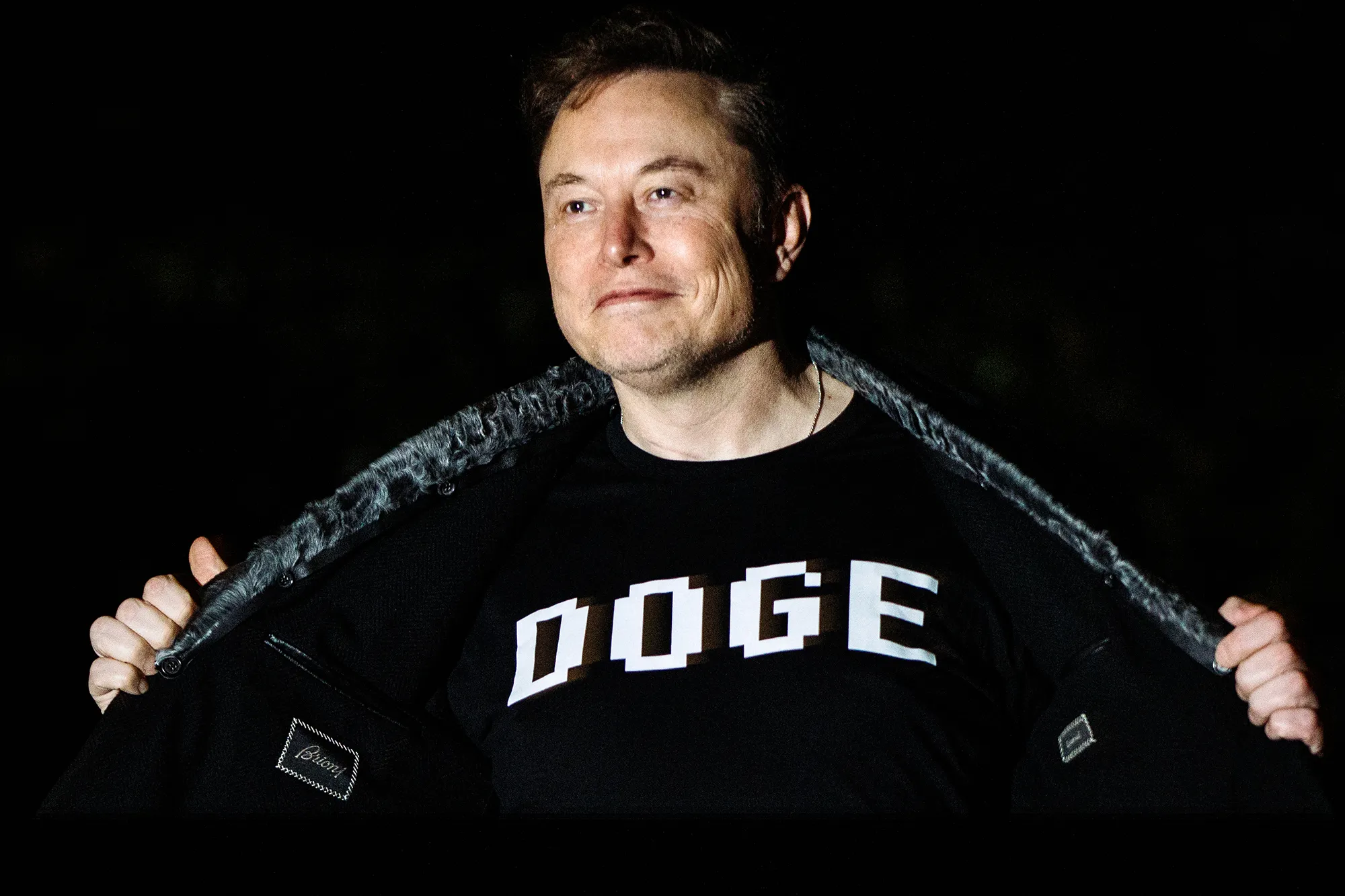
The Supreme Court fight concerns a preliminary but closely connected question: whether CREW can gather evidence about DOGE’s work to make the case that the office is a covered agency for FOIA purposes. The group is seeking to collect documents and conduct a sworn interview of Amy Gleason, who held the title of DOGE administrator.
The Supreme Court intervened in the case last year, voting 6-3 to toss out lower court decisions permitting CREW to get the information it sought. The majority said the lower courts had gone too far in letting the group get details about DOGE’s “recommendations” to other parts of the executive branch.
“Separation of powers concerns counsel judicial deference and restraint in the context of discovery regarding internal executive branch communications,” the majority wrote.
CREW then pared back its request while continuing to seek details about DOGE’s structure, functions and actions “directed” at other federal agencies. A US appeals court in Washington then allowed CREW’s revised request.
US Solicitor General D. John Sauer, the administration’s top Supreme Court lawyer, argued that the appeals court ruling “intrudes into the autonomy and confidentiality of presidential advisors and augurs time-consuming and burdensome discovery litigation.”
CREW urged the Supreme Court to reject the appeal, saying its fact-finding request “represents a targeted backward-looking inquiry into DOGE’s past operations.”
The court will hear arguments, probably early next year, and rule by July.
The case is US Doge Service v. US District Court for the District of Columbia, 25-1103.

 点赞
点赞 收藏
收藏 点踩
点踩 分享
分享