UK Firms Tell Healey Tax Cuts Needed in Budget to Boost Hiring

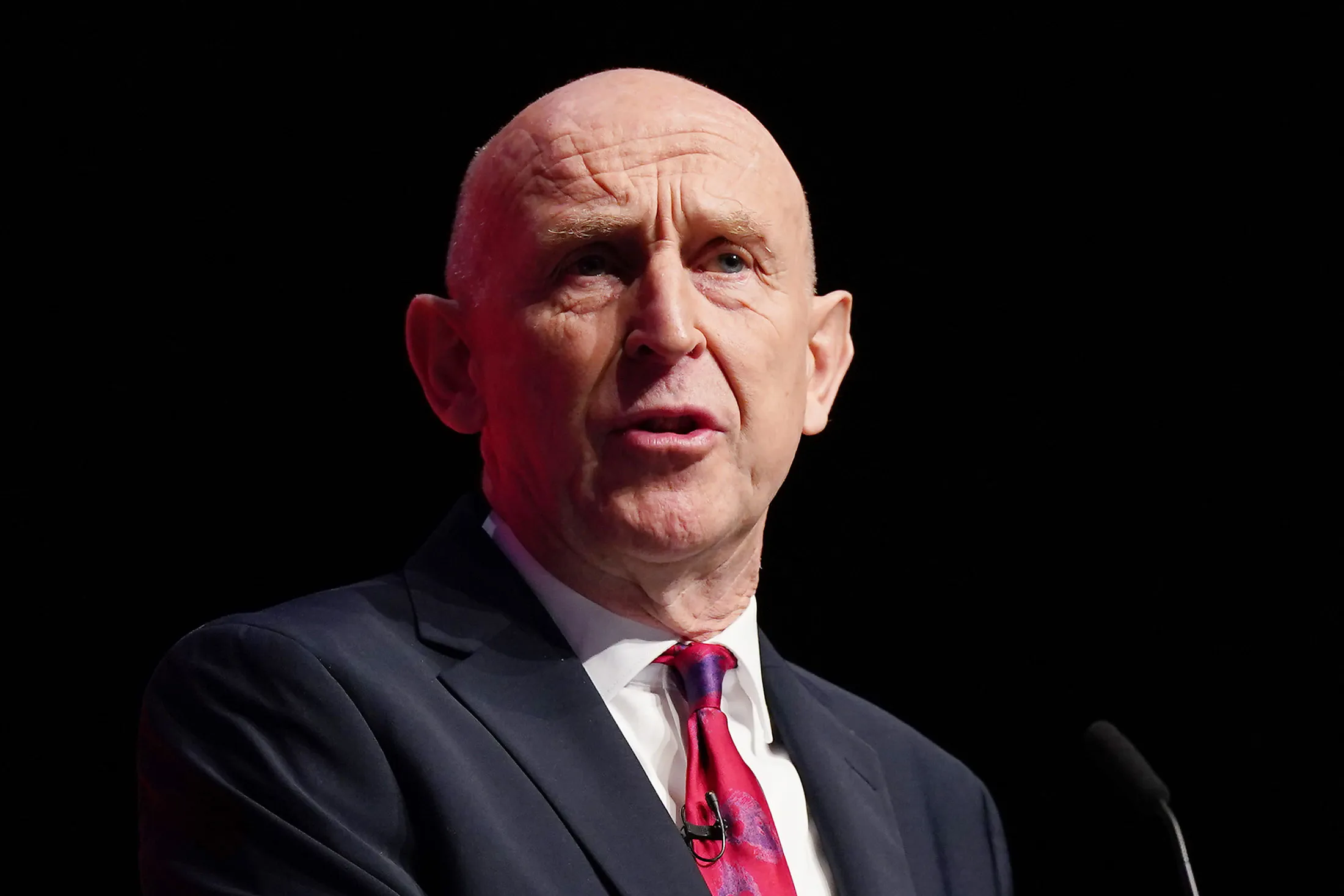
British business leaders have warned Chancellor John Healey that their ability to hire more young workers is contingent on the scale of tax hikes planned for the upcoming budget, according to people familiar with the matter.
Prime Minister Andy Burnham and the chancellor held separate meetings with British business leaders on Tuesday morning. The interactions arrive at a time when firms are complaining about how their tax burden was increased in recent budgets and are lobbying against the possibility of further levies in the one scheduled for October 28.
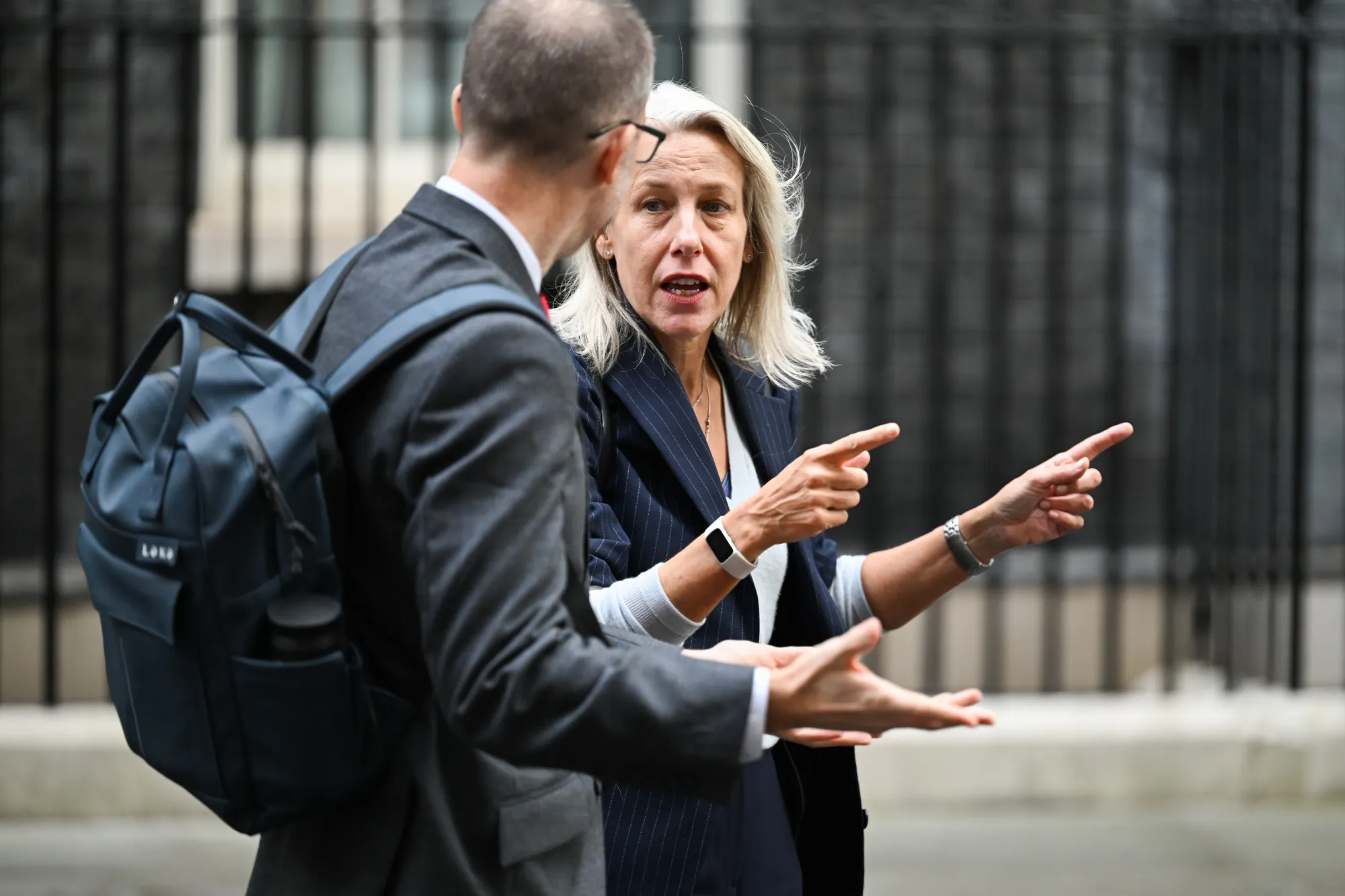
Healey hosted a breakfast with leaders from the retail, hospitality and leisure sectors including Simon Roberts, chief executive officer of supermarket chain J Sainsbury Plc, and John Boumphrey, head of Amazon in the UK. Trade body representatives were also present, including Helen Dickinson, head of the British Retail Consortium and Allen Simpson, chief executive of UKHospitality. At least four large hotel, leisure or pub chains did not receive an invite, according to people familiar with the gathering.
The chancellor’s main focus was the UK’s youth unemployment crisis, and how to get young people back into work. Commercial property taxes were also raised by the business community, though the discussions lacked detailed and Healey gave little away, attendees said, asking to remain anonymous when discussing a private meeting.
A spokesperson for the Treasury did not immediately respond to a request for comment.
“It was a positive discussion about our shared agenda to fix the NEETs crisis and how the government can reverse the damage of the last two years to get young people back into work,” said UKHospitality’s Simpson, using the acronym for young people not in employment, education or training. “It’s clear to me that hospitality and the high street will hire NEETs in a way the rest of the economy simply cannot. It’s important the chancellor recognizes this and reduces hospitality’s tax burden at the budget, to allow the sector to create jobs in every postcode.”
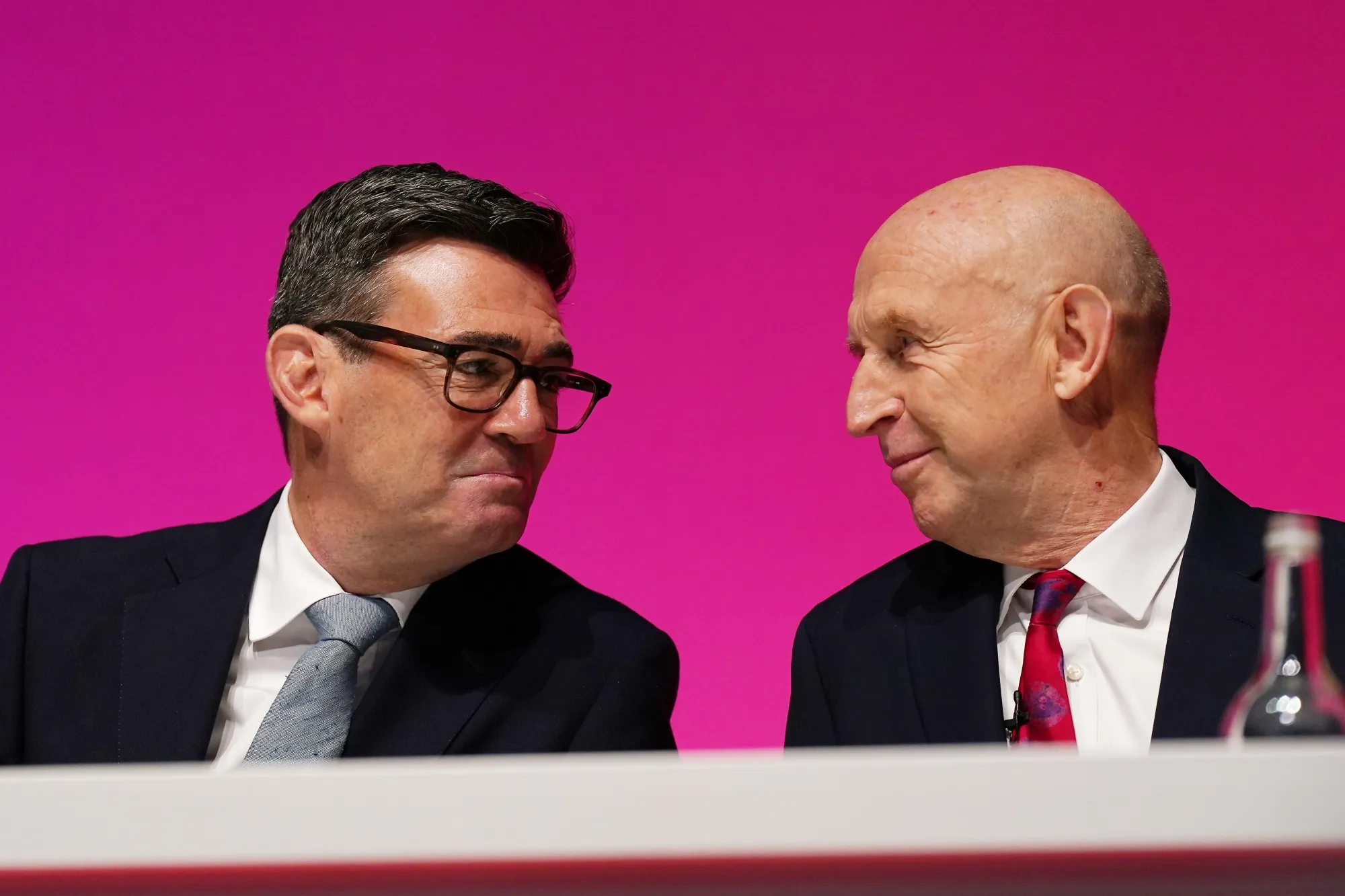
Almost one million 16- to 24-year-olds are out of work in the UK, with the youth unemployment rate at the highest since 2014. An increase to payroll taxes from Healey’s predecessor, Rachel Reeves, has been partly blamed for piling pressure on businesses, while the uptake of artificial intelligence technologies by some firms has exacerbated the hiring squeeze.
Speaking in an interview in Athens, former UK Chancellor George Osborne told Bloomberg that a series of tax increases begun by recent Conservative governments and continued under Keir Starmer’s Labour had chilled the environment for employers. Taken together, the measures: “have created an overall reputation for Britain at the moment that it’s not as business friendly as it should be, and that needs to change.”
A report by Hilton Worldwide Holdings Inc. and WPI Economics in September found more than 15,000 hospitality vacancies could be filled with young people not in education, employment or training, if taxes were reduced.
Separately, Burnham hosted a reception with leading entrepreneurs and chief executives in Downing Street on Tuesday morning, to discuss the need for government and business to work together in order to promote economic growth, officials said.
While Healey has said he wants to address the costs facing firms, executives gathered at the Labour Party’s annual conference last month told Bloomberg that they were concerned at what they perceived to be a lack of engagement from the government ahead of the budget.
They said the vision set out by Burnham and Healey suggested the government’s focus would be on support for smaller high-street firms and state-backed investment in industrial sectors, with bigger businesses and the financial services industry facing a higher tax burden.
Healey met with banking bosses last week and said he hadn’t yet come to a decision about whether to impose more taxes on the sector.

 点赞
点赞 收藏
收藏 点踩
点踩 分享
分享