Houthi Attacks on Saudi Arabia Raise Risk of Wider War

This weekend’s deadly attacks on Riyadh’s main airport have demonstrated the ability of Yemen’s Houthis to strike at the heart of Saudi power, raising the risk of a dangerous escalation that could draw in the US.
Saturday’s strike killed 12 people and wounded 309, while on Sunday the airport was hit again, this time by an unknown projectile, the fourth attack in a week. Saudi fighter jets are already backing a counteroffensive by Yemeni government forces after the Houthis seized territory near Bab el-Mandeb, a critical chokepoint for global shipping at the southern entrance to the Red Sea.
Read More: Saudi Arabia Says 12 Dead, 309 Hurt in Riyadh Airport Attack
The Houthis had largely stayed on the sidelines after the US-Israeli war against Iran began in February. But the latest offensive illustrates how the group — a member of Iran’s so-called axis of resistance — has developed into its own autonomous fighting force, with its own sophisticated weapons supply chain and an ability to operate and escalate as they see fit, at times in coordination with the Islamic Republic.
Read More: The Houthis Are Sustaining Their War Machine With Chinese Goods
The attacks put de facto ruler Crown Prince Mohammed bin Salman under mounting pressure to escalate a war the country has spent years trying to escape, against an opponent that’s arguably more capable than it’s ever been. They also present difficult choices for the US and the kingdom’s new defense partners, Turkey and Pakistan, over how far to go in helping Saudi Arabia respond.
“By escalating their attacks, they are trying to pressure Saudi Arabia into stepping back and halting its air campaign,” said Ahmed Nagi, the International Crisis Group’s senior analyst for Yemen. “Riyadh sees these strikes as a serious escalation, particularly given their unprecedented nature, and is likely to respond with greater military pressure.”
The Saudi-led coalition blamed the Houthis for Saturday’s attack, calling it “a full-fledged war crime.” The group hasn’t claimed responsibility for that strike, although it claimed earlier attacks and has warned of further strikes on Saudi airports.
Saudi Arabia led a coalition that intervened in Yemen in 2015 to restore the internationally recognized government, only to spend years bombing the Houthis without dislodging them. A UN-brokered truce in 2022 sharply reduced the fighting and offered Riyadh a way to wind down its involvement while the militant group’s capabilities and reach grew.
Read More: Why the Houthis Are So Hard to Defeat: Explainer
Saudi Arabia has spent billions of dollars building one of the region’s most sophisticated militaries, equipped with American F-15 fighter jets and Patriot missile defenses whose interceptors cost as much as $5 million apiece. Yet repeated strikes have shuttered the international airport serving its capital, grounding hundreds of flights and forcing schools to move online.
The attacks may be a sign of the pressure the Houthis are facing in Yemen. After the group seized the Red Sea port of Mokha and territory near Bab el-Mandeb last month, Yemeni government forces launched a counteroffensive backed by Saudi warplanes. The coalition says it has recaptured Mokha and destroyed scores of Houthi military targets.
“The Houthis are feeling the impact of the Saudi airstrikes carried out over the past few days in areas under their control,” Nagi said. “They have lost a significant number of fighters, and several strategic sites have been hit, including drone workshops, arms depots and telecommunications towers.”
Still, the Houthis retain an arsenal of Iranian-designed ballistic missiles capable of reaching Riyadh and cheap attack drones that can be assembled locally. The group has survived years of Saudi and US bombing campaigns, and the latest strikes demonstrate how difficult it may be to stop it from inflicting further damage on the kingdom.
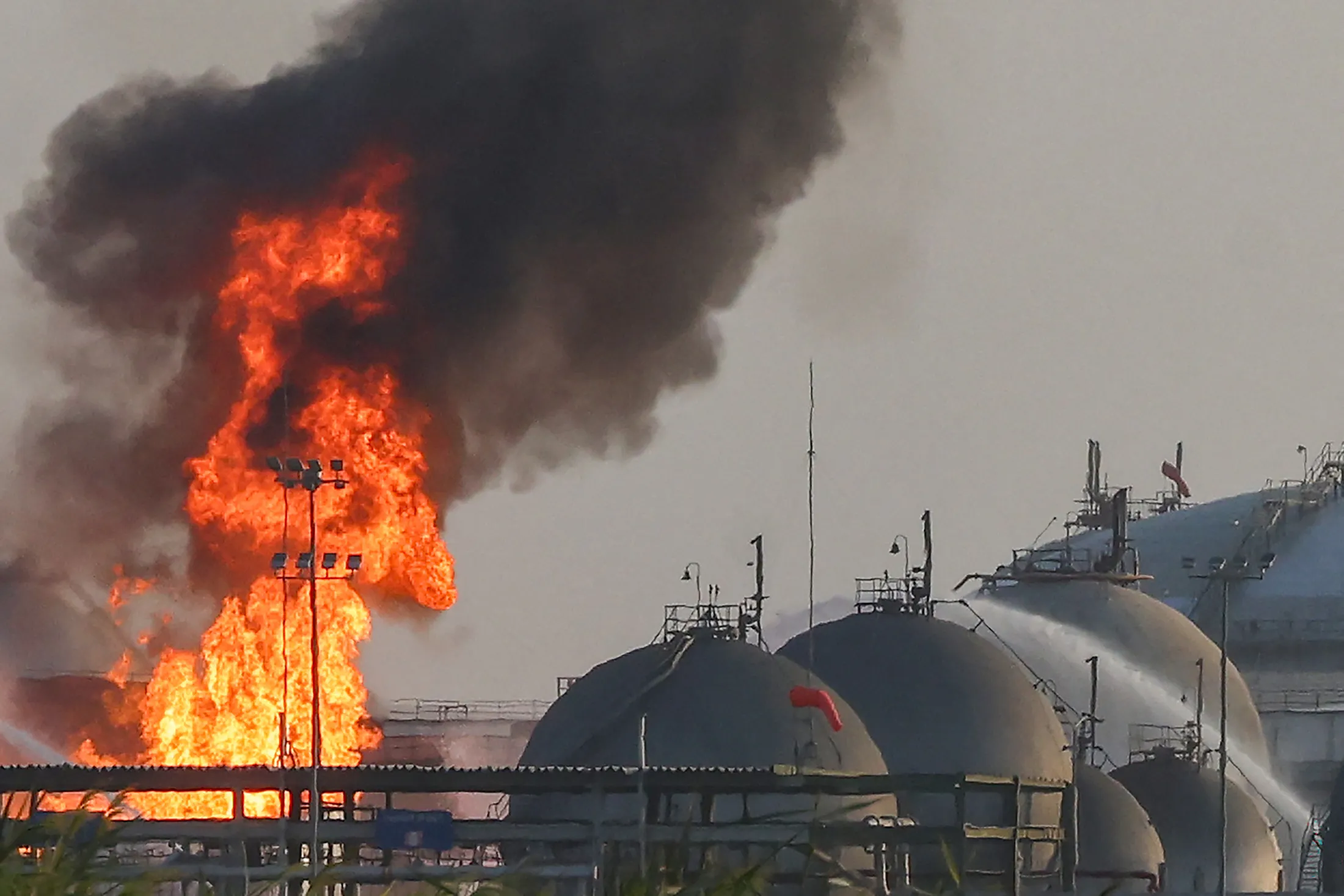
“They appear to have enough cheap drones and missiles, as well as the know-how, to conduct long-range strikes against Saudi civilian infrastructure, which is a soft target,” said Stacie Pettyjohn, a senior fellow at the Center for a New American Security think tank who previously worked in strategy at the Pentagon.
Read More: The Reclusive Houthi Leader Disrupting Trade and Energy Markets
The attacks also present difficult choices for Saudi Arabia’s allies, starting with the US, which launched major strikes against the Houthis last year before agreeing to a truce. President Donald Trump has sought to avoid further military escalation with Iran ahead of November’s midterm elections, and Washington has so far limited its support for the Saudi offensive to intelligence sharing.
“It is very unlikely that the Saudis can stop the attacks if the US could not — short of sending in ground forces or dramatically improving the capability of the Yemeni fighters it is supporting,” Pettyjohn said. “Suppression requires constant air patrols searching for launchers, which is difficult. And the Yemenis seem to have used the time since the ceasefire with the US to rearm.”
But with an American among those killed on Saturday, Trump faces growing pressure to act. Asked on Saturday whether the US would join strikes against the Houthis, he said: “We may. We’re going to look at it.”
“Riyadh will want direct US strikes against the Houthis, air defense capabilities, increased intelligence sharing, and political cover for an intensified campaign in Yemen,” said William Usher, a former senior Middle East analyst at the Central Intelligence Agency.
Riyadh has grown frustrated with the limited assistance from its Western allies, according to people familiar with the matter. Britain has provided an air-refueling aircraft, but Saudi requests for additional defensive support in recent weeks have yet to be approved, said the people, requesting anonymity to discuss sensitive matters. France said it will dispatch defensive military equipment to the Saudi Red Sea port of Yanbu.
The escalation also poses a test for Turkey and Pakistan, which signed a defense pact with Saudi Arabia in August, known as the Mecca Defense Alliance. Both have signaled willingness to send troops or weapons to help defend the kingdom, but Turkey has ruled out joining offensive operations against the Houthis.
For Saudi Arabia, the Houthis’ success come at a challenging time. The kingdom is set to host a series of events aimed at pitching itself as one of the world’s most lucrative investment plays. That includes its flagship Future Investment Initiative, often dubbed Davos in the Desert, which draws Wall Street titans from Goldman Sachs’ David Solomon to BlackRock’s Larry Fink.
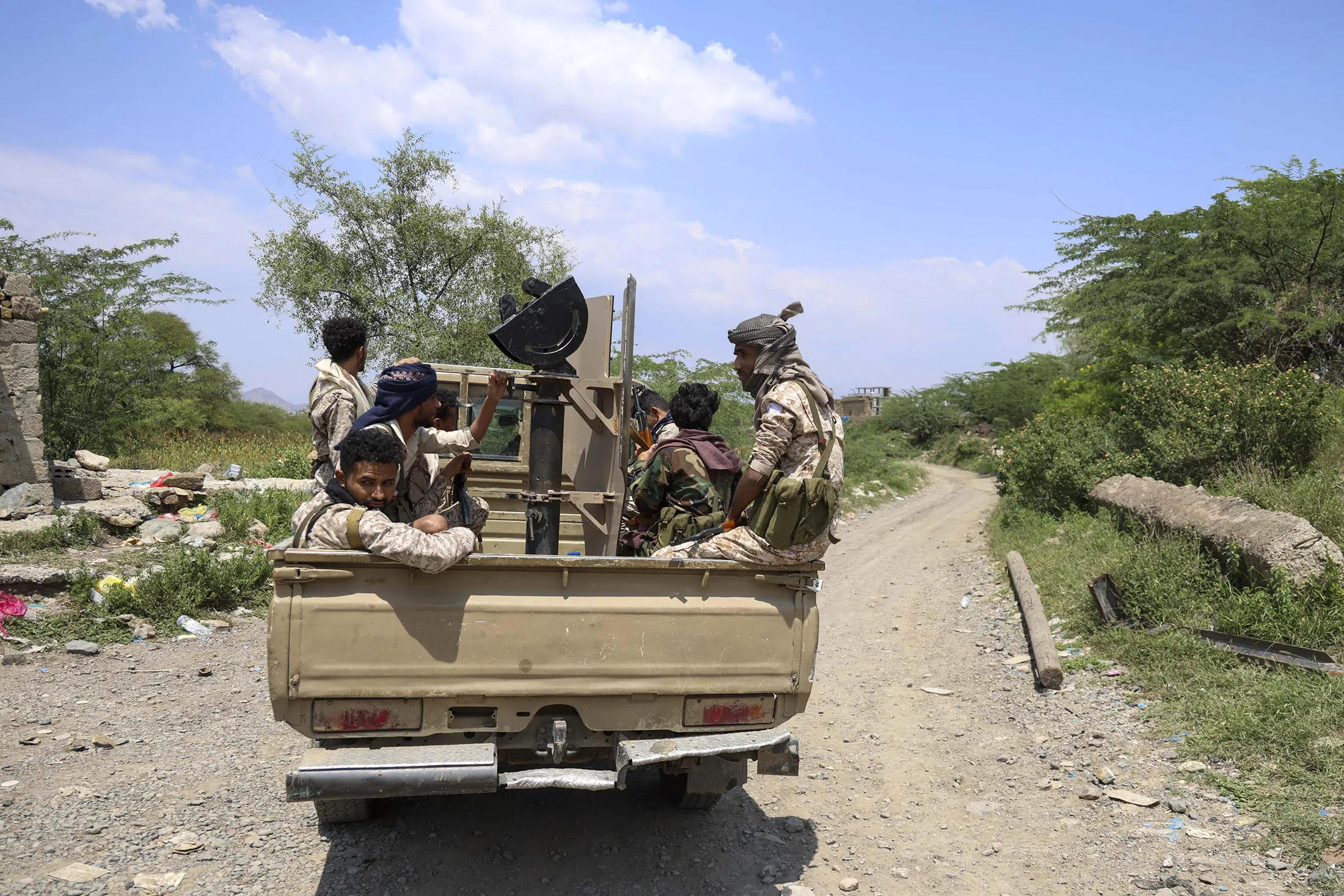
Executives at top oil firms including BP and Shell pulled out of the World Petroleum Congress scheduled to start on Sunday, in a sign of how the attacks are already disrupting business in Riyadh. The capital’s financial district, home to the kingdom’s sovereign wealth fund and major foreign banks and consultancies, also shifted to remote work.
The attacks come as the Middle East’s largest economy faces growing financial strain after years of heavy spending on the crown prince’s Vision 2030 transformation agenda. The government this month increased its budget deficit projection and said the economy will probably contract 3.6% this year, making foreign investment and financing even more critical.
“The latest events may be a disruption to foreign investment but investors and partners won’t be pulling out. They will be observing and waiting to get in,” said Said El-Saadi, chief executive of Access KSA, a Saudi-based international business advisory firm.
Still, Saudi leaders may conclude they have little choice but to escalate if they want to end the attacks and restore peace.
“The Houthis have always been aggressive and willing to take risks,” said Nadwa Al-Dawsari, associate fellow at the Middle East Institute. “They only back down when faced with a credible threat, and so far, they haven’t faced one.”

 点赞
点赞 收藏
收藏 点踩
点踩 分享
分享