Blinding LED Headlights Could Finally Face Tougher Rules In America

Anyone who regularly drives at night has probably experienced the frustration of an oncoming vehicle’s headlights shining directly into their eyes. Modern lighting technology has improved road visibility, yet it has also raised questions about how much light is too much.
The problem becomes particularly noticeable when a tall SUV or pickup approaches a lower passenger car. Even properly functioning headlights can produce uncomfortable glare depending on their positioning, alignment, and surrounding conditions.
For years, American vehicle lighting regulations have struggled to keep pace with the rapid development of LED headlights and advanced lighting systems. Automakers have introduced increasingly sophisticated technology, while some of the underlying federal requirements have changed relatively little.
Now, the National Highway Traffic Safety Administration (NHTSA) is preparing a significant review of those rules. Announced on October 6, the initiative aims to address headlight glare while making it easier for manufacturers to introduce technologies that improve nighttime driving safety.
Headlight Glare Is A Major Focus
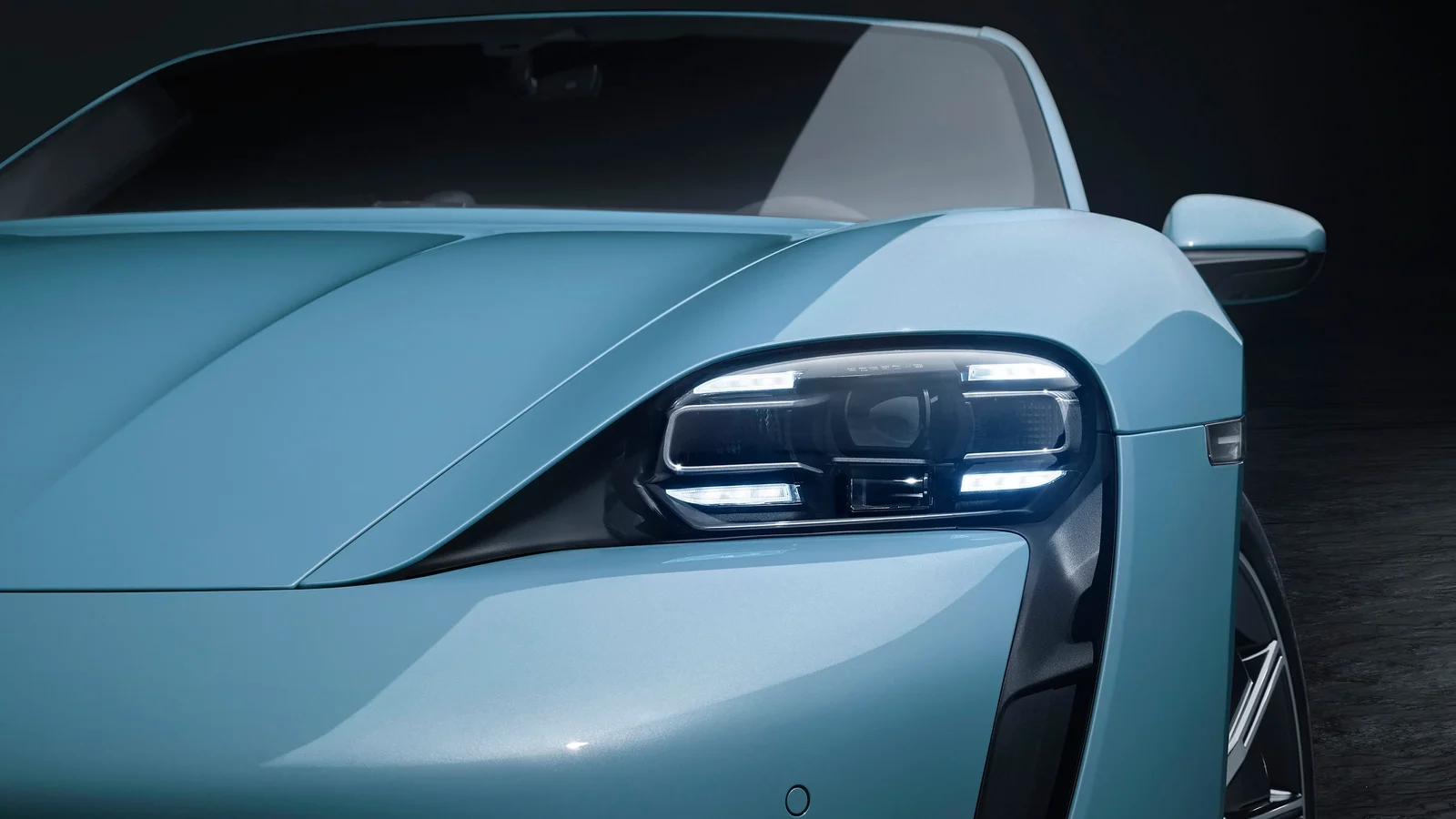
NHTSA plans to revisit Federal Motor Vehicle Safety Standard No. 108, which governs automotive lighting equipment in the United States. The review will examine how modern headlights contribute to glare and whether existing requirements adequately protect other road users.
Importantly, regulators aren’t focusing exclusively on brightness. Headlight mounting height, beam direction, and alignment will also be evaluated, recognizing that the position of a light can affect how uncomfortable it is for approaching drivers.
The concern is widespread among motorists, according to a March 2026 AAA survey. Approximately 60% of respondents considered headlight glare a nighttime driving problem, while 73% of those affected believed it had worsened over the previous decade.
More Advanced Headlights Could Become Easier To Offer
The proposed modernization also addresses technologies that could help drivers see farther without dazzling oncoming traffic. These include LED lighting, automatic high beams, dusk sensors, and replaceable lighting components.
Adaptive driving beam headlights are particularly relevant because they can selectively reduce illumination around other vehicles while maintaining stronger lighting elsewhere. Unlike conventional automatic high beams, these systems don’t necessarily need to switch the entire beam between high and low settings.
NHTSA already permitted adaptive driving beam systems through a rule change in 2022. However, differences between American and international regulations have complicated the introduction of certain advanced systems, making regulatory alignment another priority.
Testing Procedures Are Getting Attention Too
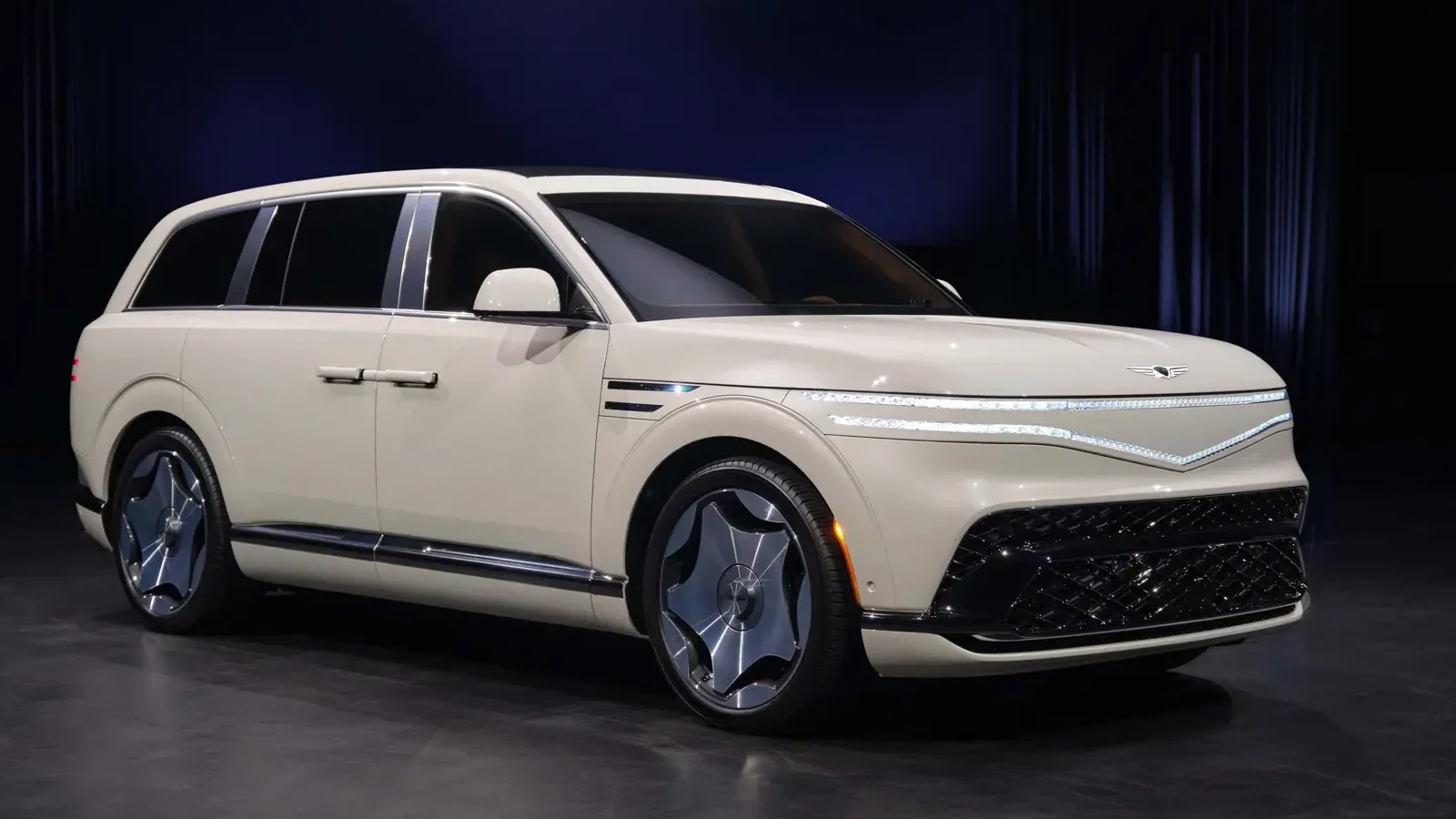
Beyond headlight performance, NHTSA wants to update testing requirements for plastic optical components and replaceable lenses. The agency will also examine opportunities to harmonize American lighting standards with those used internationally.
That doesn’t mean the United States has committed to adopting European regulations wholesale. The eventual changes will depend on technical evaluations and discussions involving manufacturers, safety organizations, and engineering experts.
Drivers Can Have Their Say Before November 9
Rather than immediately introducing new requirements, NHTSA is establishing a negotiated rulemaking process involving up to 18 representatives. Transportation Secretary Sean Duffy will appoint participants from the automotive lighting industry, safety organizations, research institutions, and other relevant groups.
The public can submit comments on the review’s scope and proposed committee membership through November 9, 2026. Submissions are being accepted through Regulations.gov under docket number NHTSA-2026-1981.
For drivers hoping for relief from glaring headlights, the announcement is encouraging, although no new restrictions have taken effect. NHTSA has not announced a completion date, so changes could still take time.
The challenge will be balancing road illumination with protection from excessive glare. Better headlights should help drivers see hazards sooner without creating new problems for the vehicles approaching them.

 点赞
点赞 收藏
收藏 点踩
点踩 分享
分享