Trump’s Tariffs Give Carney Cover to Fast-Track Canada Building Push

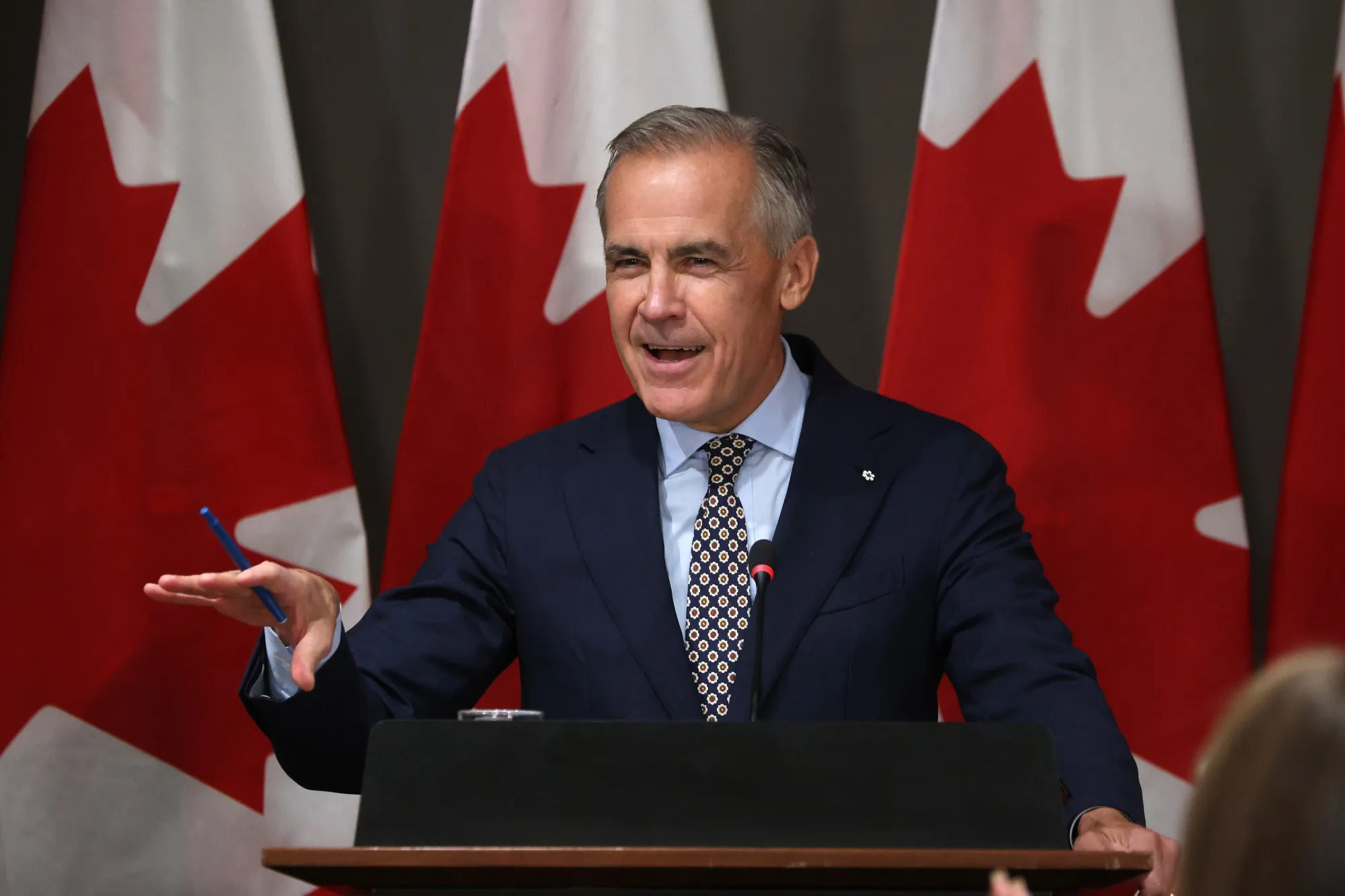
President Donald Trump’s trade war against Canada is allowing Prime Minister Mark Carney to press the gas pedal on an industrial agenda that would have been deeply divisive just a few years ago.
With no end to US tariffs in sight, the former central banker has focused on clearing obstacles to investment, including unwinding rules brought in by his predecessor and giving the government strong new powers to accelerate infrastructure and energy projects.
Carney’s top target has been a new oil pipeline to the west coast, which was designated a project of national interest last week, effectively deeming it pre-approved, subject to a number of conditions. His government is also pursuing a sweeping regulatory overhaul, which Carney described as the most ambitious reform to Canada’s ability to build in a generation.
He’s drawing on a deep well of political capital as he moves forward. His approval ratings have hit new highs this fall, and surveys show broad support for his plans — at least for now.
Business leaders, at first skeptical of Carney’s pledge to make Canada an energy superpower and loosen Justin Trudeau’s regulations that stifled resource development, are increasingly getting on board and praising the prime minister’s pro-investment policies.
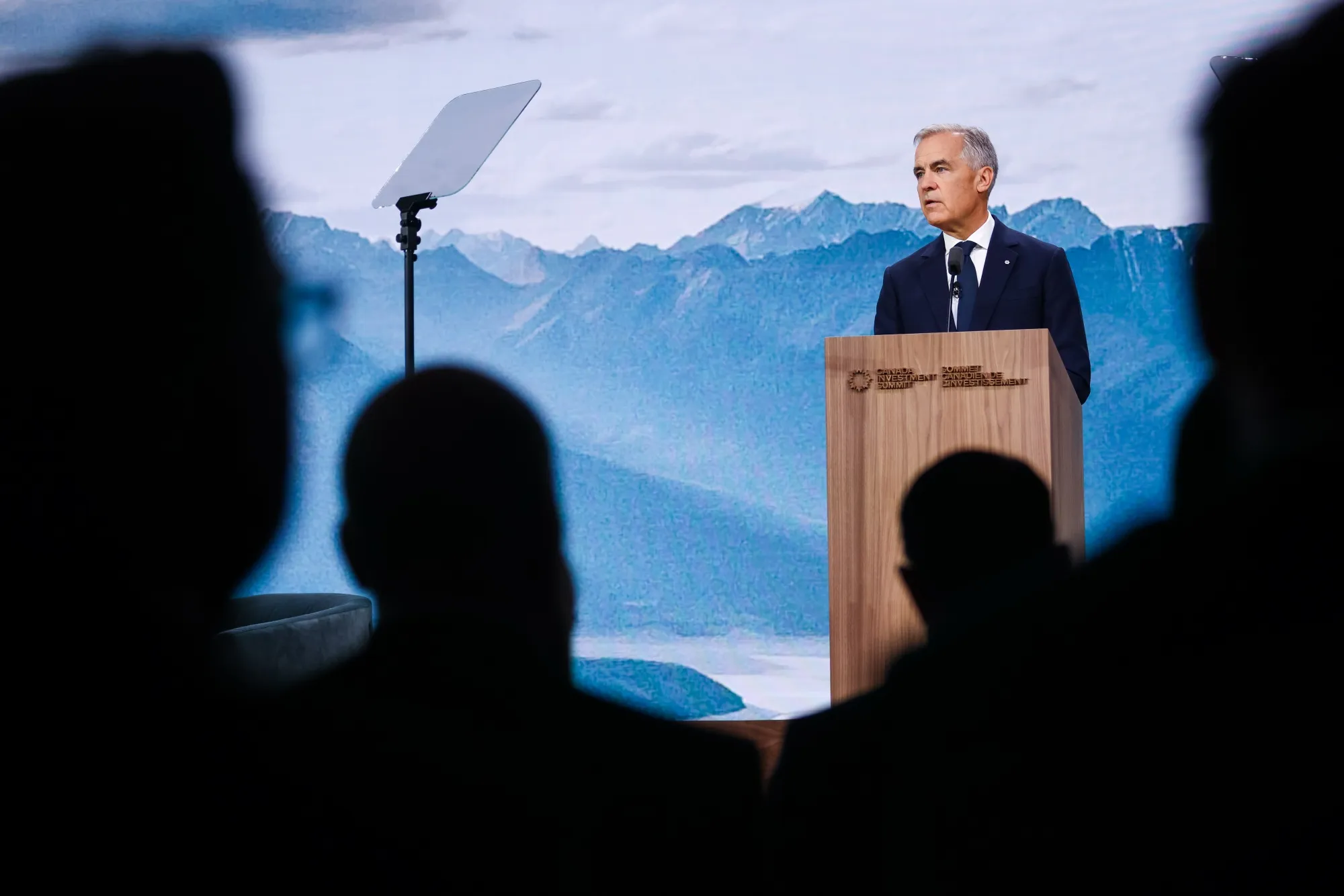
In a span of less than two weeks, Carney held the country’s first investment summit, announced a major new tax break for capital spending, and introduced legislation to reform the project approval process and make it easier to end labor strikes.
“I called it 12 days of Christmas for the oil and gas sector,” said Heather Exner-Pirot, director of energy, natural resources and environment at the Macdonald-Laurier Institute.
But not everyone is in the holiday spirit.
Critics argue Carney’s new legislation risks fraying Indigenous relations, degrading the environment and further politicizing the project approval process by allowing the government of the day to pick and choose the projects it wants to green light.
“It’s a tectonic change in the way the federal government engages with review and approval of major projects. And overall, it’s mostly significant steps backwards on numerous fronts from an environmental protection perspective,” said David Wright, an associate professor of law at the University of Calgary.
Bill C-39, known as the Building Canada Strong Act, would cut the timeline for federal decisions on all projects to one year. It would also require departments to conduct concurrent rather than sequential assessments, with increased coordination so each project faces only one review. The legislation builds on Bill C-5, a law the government passed last year to fast-track major projects deemed to be in the national interest.
But the Building Canada Strong Act does much more than just streamline the application process.
It would allow the government to pre-approve projects, subject to conditions, in areas that it designates as regions of national interest. The government says an area would only get that designation after an assessment to identify the types of activities it would allow there and mitigation measures it would require.
The legislation would also give ministers more discretion over individual projects, allowing them in some instances to order work to begin before a project is approved and alter or waive environmental conditions attached to it.
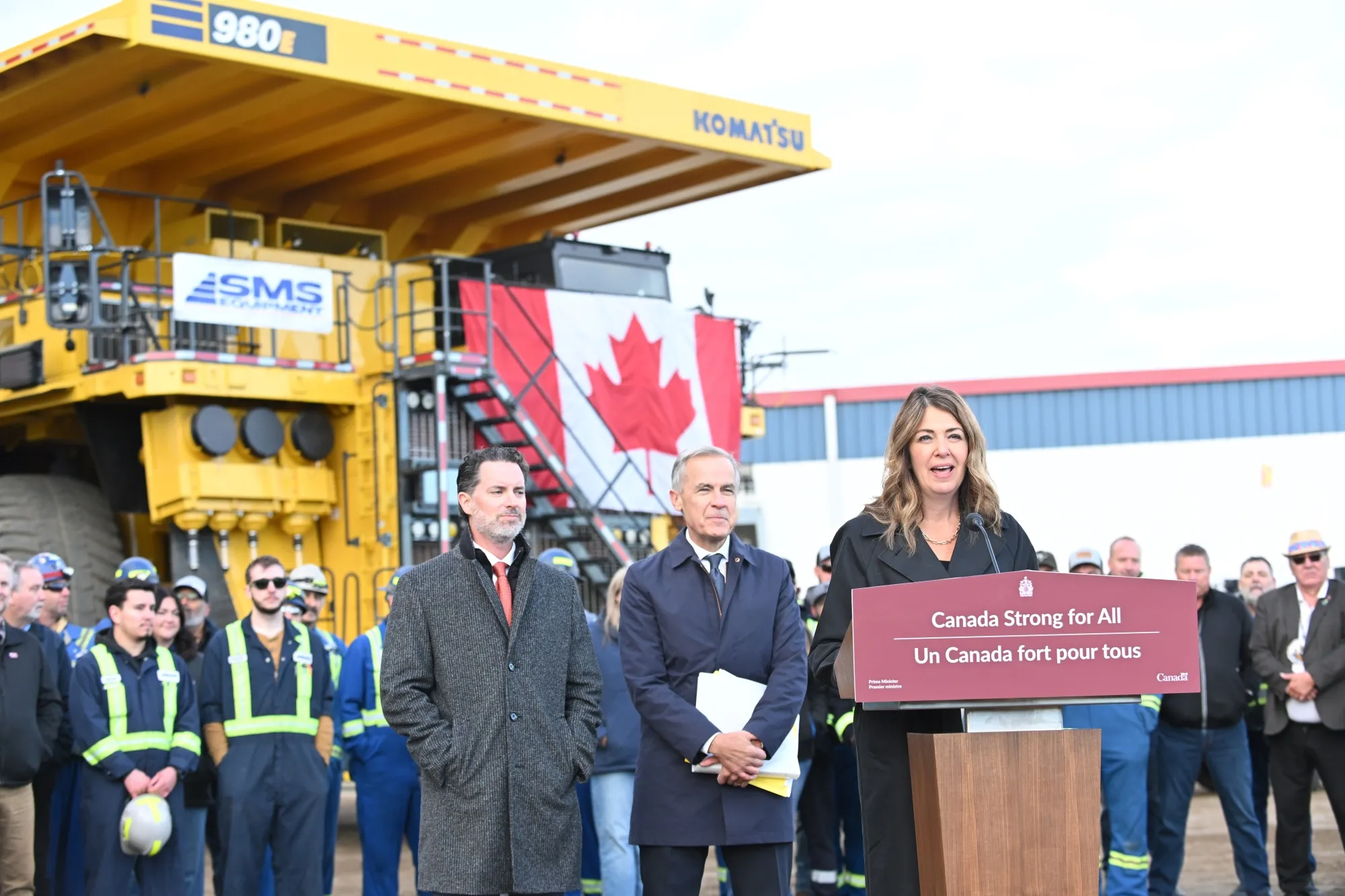
Expanding Canada’s energy and trade infrastructure is integral to Carney’s plan for the country to diversify away from the US, which was the destination for 85% of Canadian energy exports last year. Carney has defended his regulatory reforms, arguing he was elected to get Canada back in the business of building.
“Decade after decade, year after year, we built less. We added more and more restrictions,” Carney said last month. “We identified that issue at a time of great risk for our country, when our sovereignty was threatened and to some degree continues to be threatened.”
Carney took the reins of Canada’s Liberal Party from Trudeau last year and has radically changed its energy policy. Exner-Pirot attributes the shift in large part to trade tensions with the US “shaking us out of our complacency” and highlighting that natural resources are the “lowest-hanging fruit for diversifying trade relationships.”
‘I’m the Same Me’: Canada’s Carney Defends His Climate RecordCarney’s Pivot From US Is Dependent on High Gold, Oil PricesOil Project Tests Carney’s Pledge to Build Faster, Minister Says
The other factor, she said, is the upswing in commodity prices. Geopolitical tensions and a data center boom are both putting upward pressure on energy demand, trends that have already proven to be a boon for Canadian energy companies.
“You could only have Justin Trudeau be the prime minister of Canada in a commodities downswing. And in an upswing, the cost of not liking oil and gas in Ottawa are too high,” she said.
Pipeline Politics
The bill also gives the government more say in pipeline approvals before federal assessments are completed. For pipelines that would add more than 300 kilometers (186 miles) of new route, the Canada Energy Regulator will be required to submit a report to cabinet on the project within six months of receiving the application. If cabinet gives the go-ahead, the CER would then continue its assessment to decide which conditions should be attached.
“I just don’t think you can actually have an effective review of a proposal within six months,” George Vegh, the former board chair of the Canada Energy Regulator, said in an interview.
Vegh said one challenge with a shorter review is that it can take time to consult Indigenous communities, which often want to hire their own experts to assess the proposals.
Bill C-39 would allow the government to extend a project review if it’s necessary for Indigenous consultations.
Vegh said elements of the new legislation, such as increased coordination of federal permits, will improve the process. However, the bill entrenches a major pitfall of project reviews by keeping ultimate decision-making power in the hands of cabinet, he said.
“If you want a predictable process, you should know what the rules are. They should be binding and not designed for the benefit of specific projects,” Vegh said.
A poll by Abacus Data and Vantage found two-thirds of Canadians want major projects built faster, but appetite is weaker for shortening environmental reviews or approving projects without Indigenous support.
Environmental advocates are concerned. For example, the bill would allow proponents of projects that would harm fish to pay into a fund instead of offsetting the impact themselves. Decision-makers would also be required to consider the “technical, economic and practical feasibility” of any conditions they add.
“Bill C-39 is not thoughtful reform,” said Charlie Hatt, director of climate at Ecojustice, an environmental law charity. “This bill helps clear the way for massive oil and gas projects that will only worsen the extreme weather already harming our health and threatening our communities.”

 点赞
点赞 收藏
收藏 点踩
点踩 分享
分享