SpaceX Push on Spectrum Access Gets Aerospace Industry Backlash

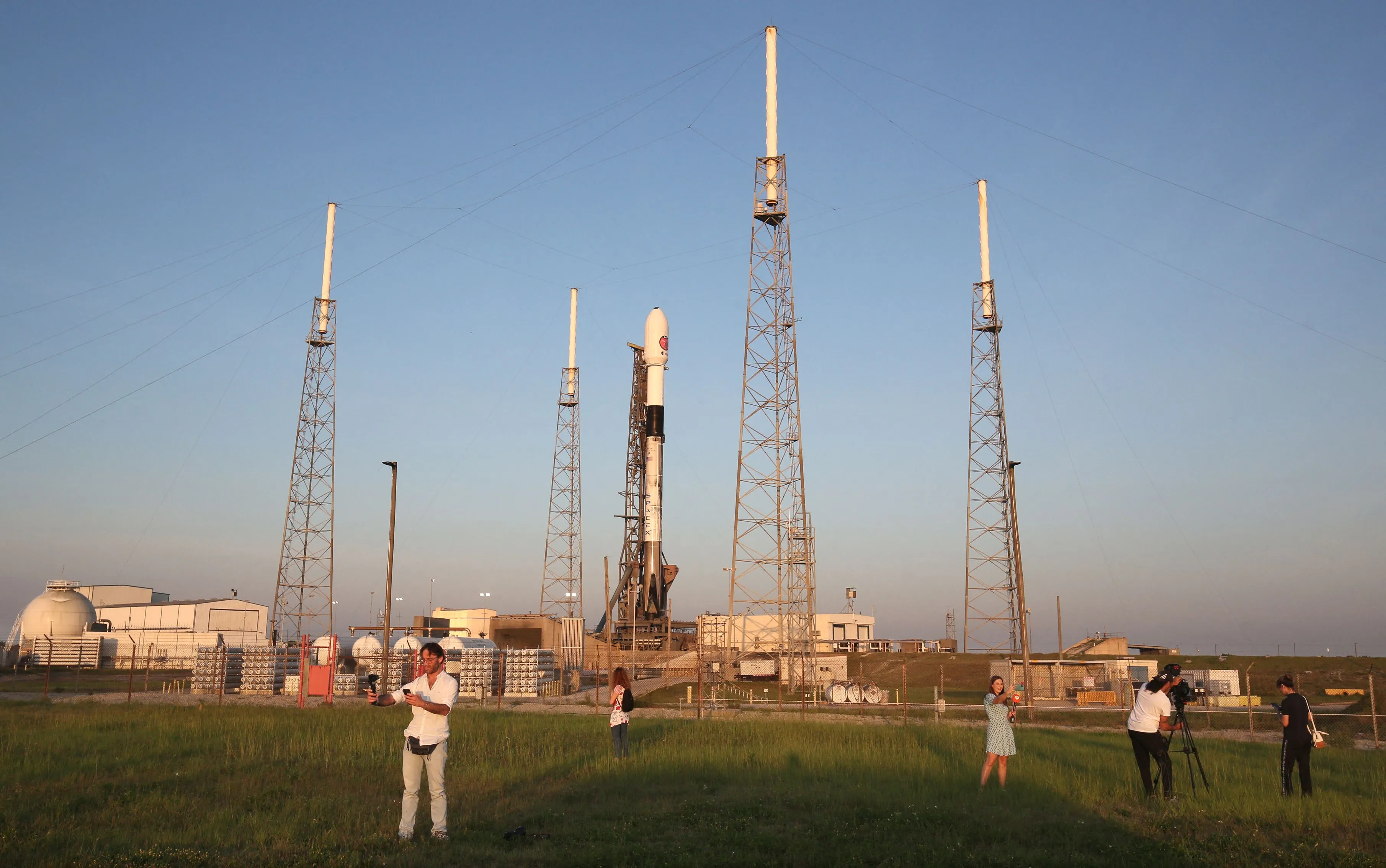
SpaceX and its allies are pushing the Trump administration for easier access to bands of wireless spectrum, triggering fierce opposition from other users of the same frequencies who warn that the space industry’s plans risk disrupting everything from flight tests to hospital equipment to TV broadcasts.
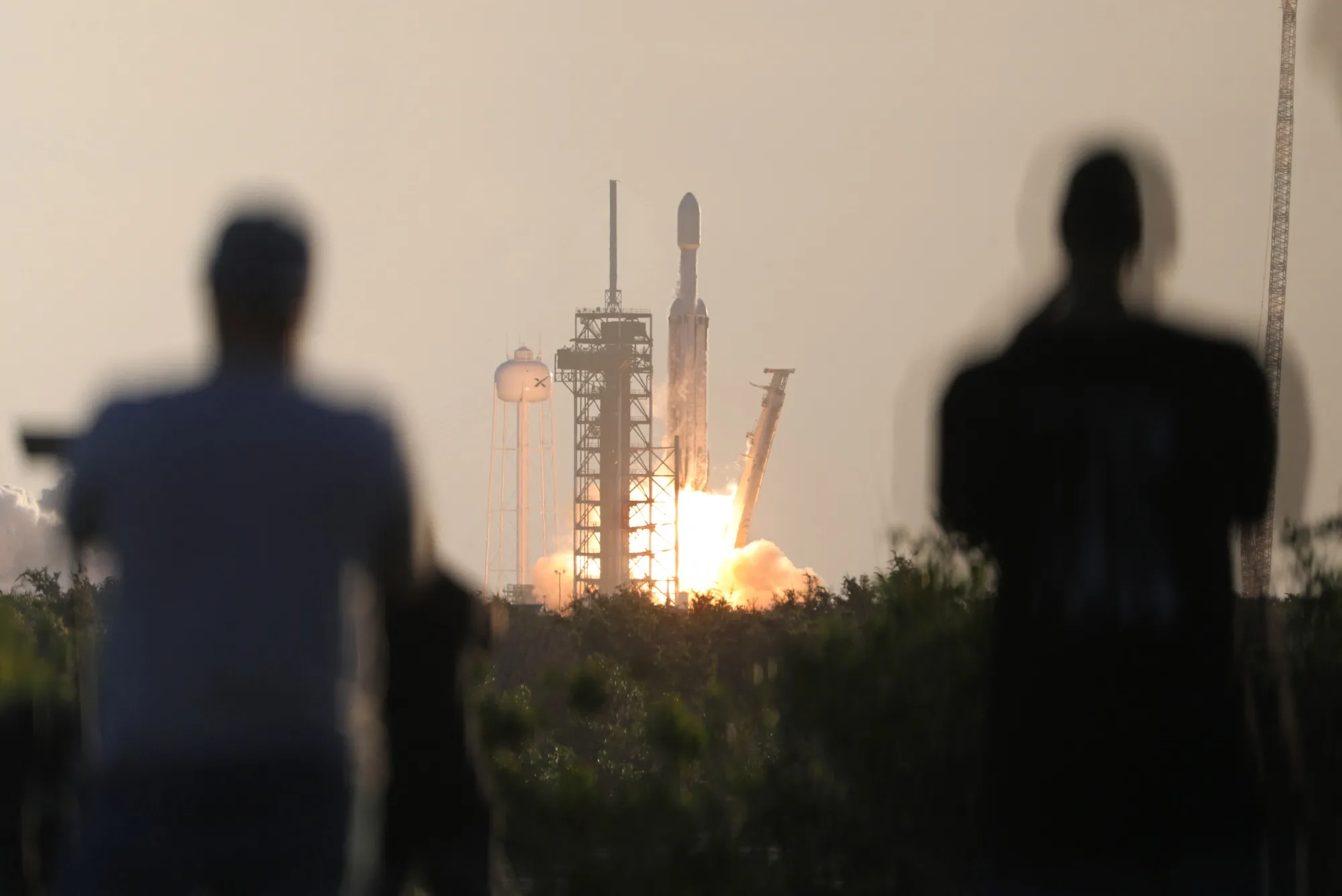
Spectrum is a critical resource in Elon Musk’s vision for his space behemoth: He aims to dramatically increase SpaceX rocket launches by the end of the decade, and each sendoff requires spectrum to navigate rockets into orbit.
Among other changes, SpaceX and commercial space firms are asking the Federal Communications Commission to do away with a third-party entity that currently controls how businesses and government agencies share certain bands of wireless spectrum – swaths that companies like Boeing Co. and Lockheed Martin Corp. need for tests of commercial and military aircraft.
Each side is making its case in comments to the FCC as the regulator considers whether to grant the space launch industry’s petition.
The spectrum showdown is a test of SpaceX’s clout in Trump-era Washington. And it shows how the growth projections of the wider commercial space industry – largely endorsed by a national space policy President Donald Trump issued this summer – are on a collision course with incumbent aerospace giants and a range of other companies.
The $2 trillion valuation of SpaceX is riding in part on Musk’s promises to develop data centers in orbit, effectively using the underlying rocket business to support its efforts to dominate the artificial intelligence industry. To make that a reality, the company aims to launch 10,000 rockets a year.
‘Significant Impact’
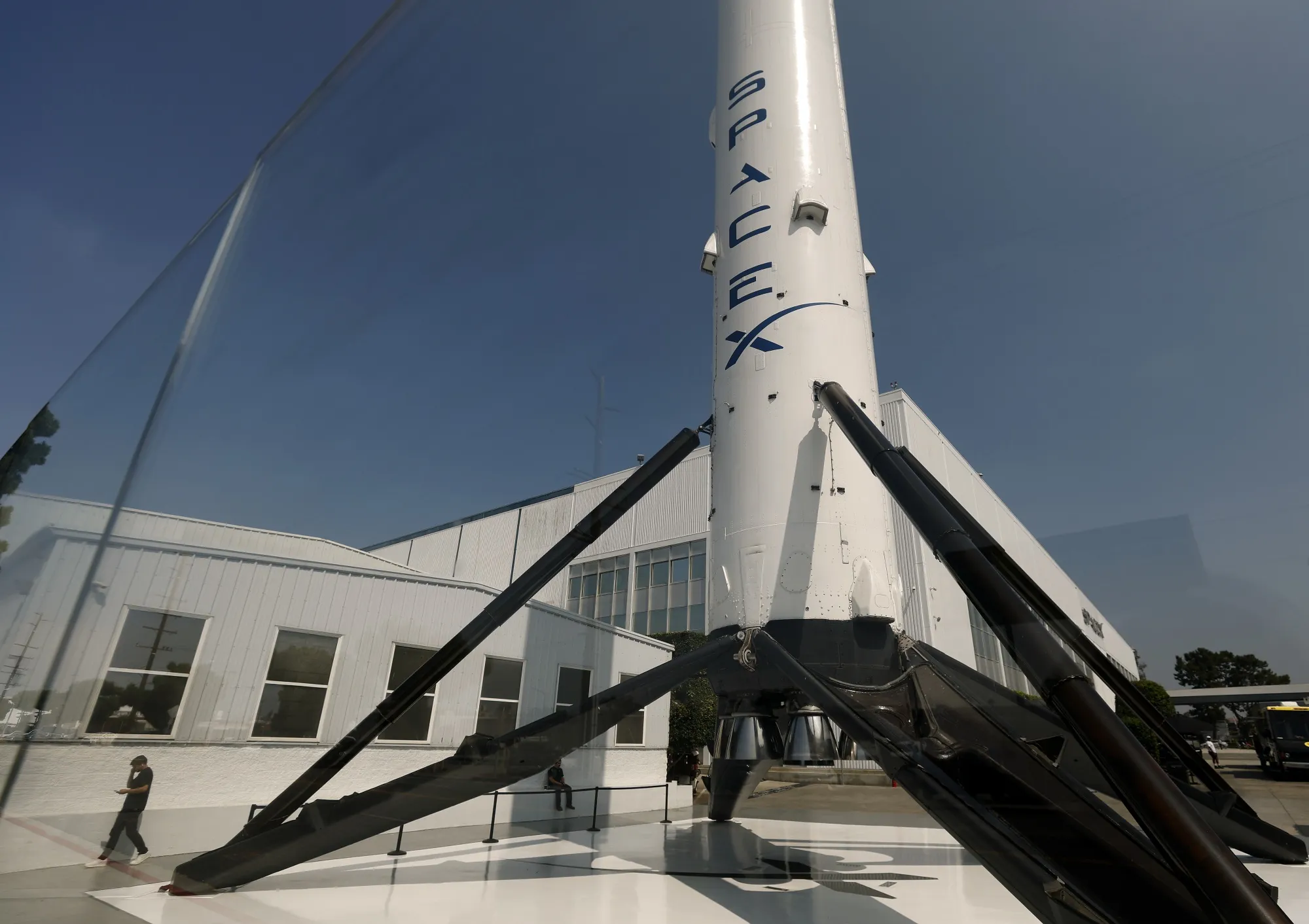
Allowing commercial space companies to scrap the existing system for sharing spectrum could mean that those more frequent launches come at the cost of disrupting the testing of everything from commercial jet engines to missiles.
“That would be a pretty significant impact for research and development,” said Tim White, vice president of engineering and technology at the Aerospace Industries Association, which is opposed to the proposed changes. “To not be able to do flight testing at the time you need it in the program, it really shuts us down.”
Commercial space operators say the existing process is too slow and cumbersome to allow for the increase in launches that are called for in the US government’s policies for developing the space industry – and that they will need if their splashy promises to investors are to be realized.
The existing regulator, the Aerospace and Flight Test Radio Coordinating Council Inc., is an anachronism, SpaceX and industry trade groups say in FCC filings.
‘Legacy Contractors’
SpaceX displays scorn in its filings for the incumbents of the aviation and defense industries, which support keeping the existing system in place, dismissing them as “legacy contractors attempting to maintain a veto over more advanced competitors.”
The current process, in which companies have to schedule launches weeks in advance to avoid interference with other users of the spectrum bands, is “very time intensive and very manual,” said Isaiah Wonnenberg, the vice president of regulatory affairs at the Commercial Space Federation, the trade group whose petition the FCC is considering. “It’s creating a lot of drag.”
The petition would scrap the third-party regulator, AFTRCC, and calls for users of the wireless bands to develop an as-yet-unidentified system for “self-coordination.”
But other users of the wireless spectrum — including Boeing, Lockheed Martin, RTX Corp., GE Healthcare, and the Aerospace Industries Association – say that would lead to chaos.
The FCC didn’t respond to requests for comment.
In some instances, the dispute over the spectrum regulation reflects preexisting conflicts between incumbents and SpaceX, which has staked out the most aggressive plan for increasing launches.
Butting Heads
In a comment in the FCC docket, GE Healthcare warned that the FCC “should ensure that new or expanded space launch access does not degrade the efficacy and reliability of safety-of-life, hospital-based” systems it makes, known as MBANs, which consist of wireless sensors monitoring the vital signs of hospitalized patients.
The company said it has already butted heads with SpaceX over the rocket company’s “rigidity” when the two tried to negotiate an agreement to make sure rocket launches don’t disrupt hospital sensors.
“GEHC’s experience engaging with SpaceX to develop an effective coexistence proposal confirms the need for such protections,” it said in a filing. “The Commission should not elevate space launch operator convenience over the reliability of critical safety-of-life operations.”
For defense industry heavyweights, the issue is testing. Major contractors like Boeing noted that interference from SpaceX’s rockets could disrupt one of the core functions of its tests, by spoiling data as it is transmitted from airborne technologies back to Earth. The space federation’s suggestion that the companies could coordinate among each other won’t work either, Boeing said in a filing, since much of what is being tested by Pentagon contractors is technology that can’t be disclosed in detail to the public.
A separate trade group, the Wireless Microphone Spectrum Alliance, warned against changing the existing system in ways that could disrupt live broadcasts of major sporting events.
Observers say the FCC appears to be moving quickly as it decides whether to grant the space launch industry’s petition. That has opponents worried that the newcomers will win out.

 点赞
点赞 收藏
收藏 点踩
点踩 分享
分享