Contagion Fears Spark Concern in European Markets

Welcome to the Brussels Edition. I’m Suzanne Lynch, Bloomberg’s Brussels bureau chief, bringing you the latest from the EU each weekday. Make sure you’re signed up.The euro hit new lows against the dollar today, amid mounting concerns in Europe about the risk of contagion in European bond markets. A sharp selloff last week, prompted by growing investor unease about France, has triggered memories of the region’s debt crisis 15 years ago.
The premium investors charge to hold French securities over equivalent German bunds has hit the highest since the euro-area debt crisis amid concern about France’s deepening fiscal woes and the prospect of fresh political upheaval ahead of next year’s presidential election.
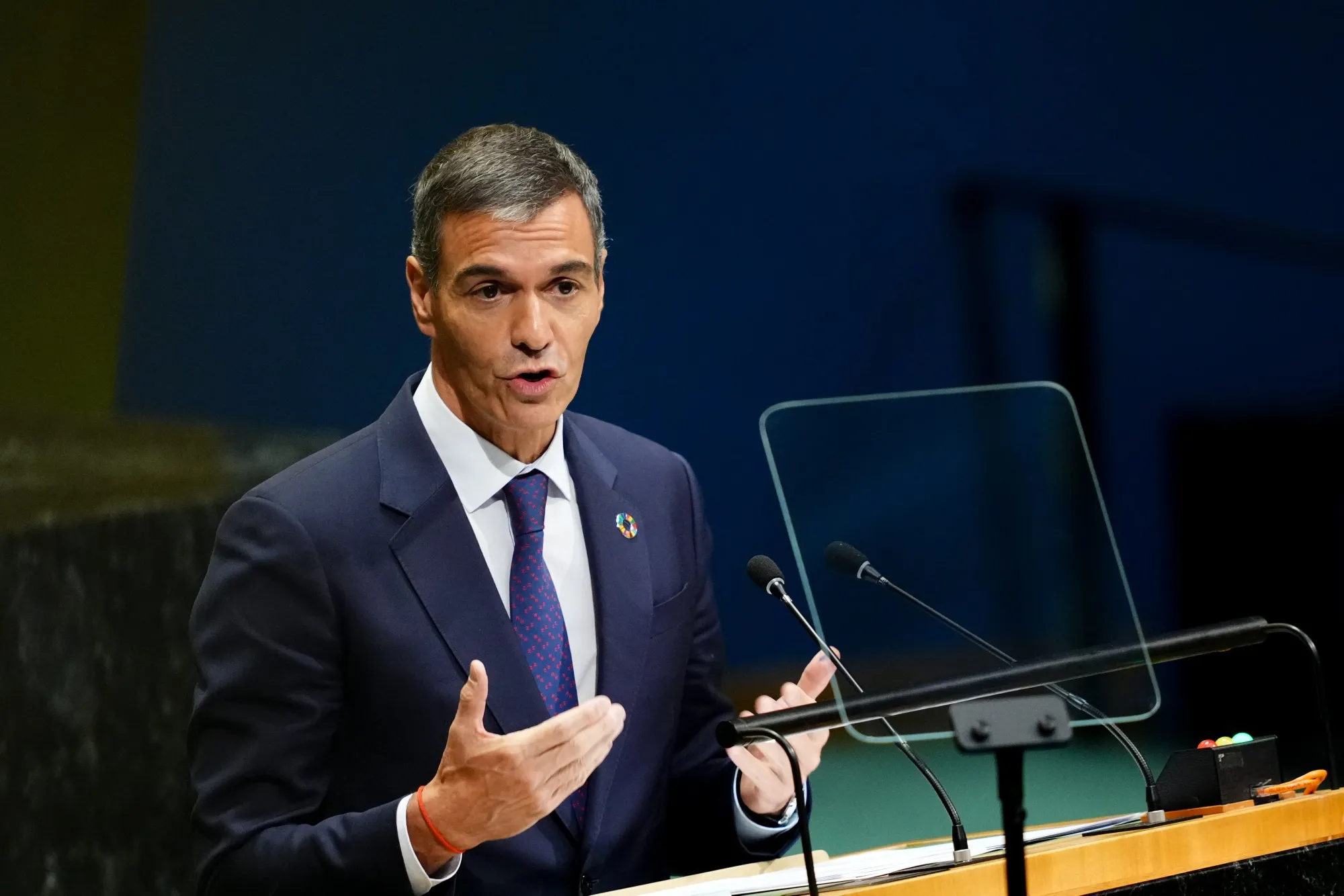
Adding to the uncertainty is the announcement by Spanish Prime Minister Pedro Sanchez this morning that he is calling an early election, after a series of controversies that culminated in mass protests over housing policy.
The relatively muted reaction to Sanchez’s announcement suggested that markets had already priced in the move, which had been expected since late last week after months of political turmoil.
Nonetheless, the pace and extent of last week’s swings in the bond market has unnerved investors.
One question now hovering over markets is whether the European Central Bank could intervene. Speculation is mounting on how far turmoil would need to intensify before the institution steps in with its as-yet-unused firefighting tool. For example, it created the Transmission Protection Instrument during an Italian bond blowout in 2022.
However, ECB officials have publicly stated that the TPI is only meant for unwarranted market action. As a result, using it to ease concerns over France’s debt risks tarnishing its credibility, as our team in Frankfurt has highlighted.
The resurgence of instability in European markets comes as the frontrunners to succeed Christine Lagarde at the ECB, Spain’s Pablo Hernandez de Cos and former Dutch central banker Klaas Knot, prepare to meet German Chancellor Friedrich Merz.
Meanwhile, a historic surge in global bond yields is becoming a bigger problem for European stocks as investors confront the possibility of stubborn inflation and mounting government debt. The Stoxx Europe 600 Index fell 1.1% last week, marking the fourth weekly decline in five.
Around Europe
Europe may have to reconsider the market access it gives other jurisdictions that are rapidly relaxing their financial regulation, Knot, a possible candidate to head the ECB, said today. Intesa Sanpaolo’s takeover offer for Bana Monte dei Paschi di Siena won the backing of the target’s biggest shareholder, boosting Chief Executive Officer Carlo Messina’s chances of clinching one of Italy’s largest bank deals ever.NATO’s top military commander is working on a strategy for achieving a quick victory against a Russian attack on its eastern flank, with a particular focus on integrating new defense technologies like drones and AI into traditional power. France and Germany are leading a push to force the EU to come up with a better way of protecting exporters against tightening rules on carbon dioxide emissions.Slovakia’s government approved an election-year budget for 2027 with a deficit equivalent to 4.9% of economic output, the widest gap in three years and in breach of European Union rules. Meanwhile, Greece’s budget surplus this year will be higher than previously expected.
Market SnapshotSchneider Electric SE€273.05-9.9%Market data as of 08:51 AM ET. Data is subject to provider delays.
French conglomerate Schneider Electric agreed to buy industrial software firm PTC for about $22.6 billion, stepping up its effort to tap into the artificial-intelligence boom with its biggest acquisition to date.
Chart of the Day
After a bumper first half for European equity offerings, business has become tougher for the region’s dealmakers as market jitters start to surface. The volume of share sales declined about 20% year-on-year in the third quarter, according to data compiled by Bloomberg. September was quieter than it was last year, reflecting a less-favorable market backdrop, hesitancy ahead of key central-bank decisions and a late Labor Day holiday, the traditional starting point of the autumn deals window. The prospect of rising interest rates and inflation, along with unrelenting geopolitical instability, makes the outlook for the fourth quarter little rosier.
Coming up
European Parliament plenary session begins later this afternoon in StrasbourgPress conference by German Chancellor Friedrich Merz and Lithuanian Prime Minister Mindaugas Sinkevičius later today in Vilnius Ireland announces budget tomorrow
Final Thought
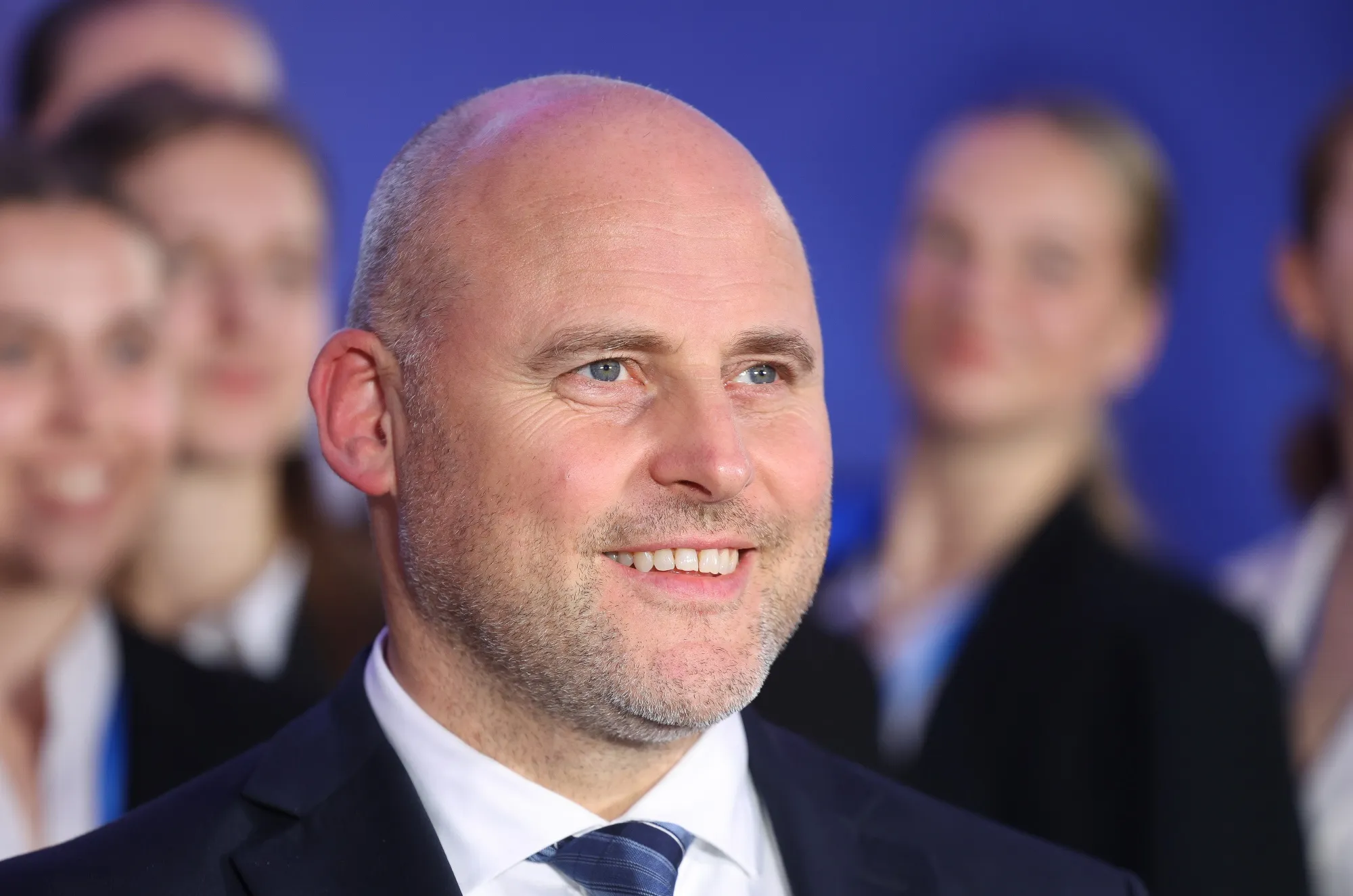
Latvian Prime Minister Andris Kulbergs’ party won a record number of seats in parliamentary elections over the weekend, a result that should help him consolidate power at a time of growing security threats from Russia. United List was set to take 42 seats in the Baltic nation’s 100-member parliament, the central election commission said, with more than 95% of ballots counted. The result is the best recorded by a single party since Latvia regained independence from the Soviet Union in 1991. The victory is vindication for Kulbergs, 47, a relative newcomer to politics, who was nominated as prime minister in May after the previous government collapsed.

 点赞
点赞 收藏
收藏 点踩
点踩 分享
分享