Astra Doesn’t Need a Deal to Fuel Growth Beyond 2030, CEO Says

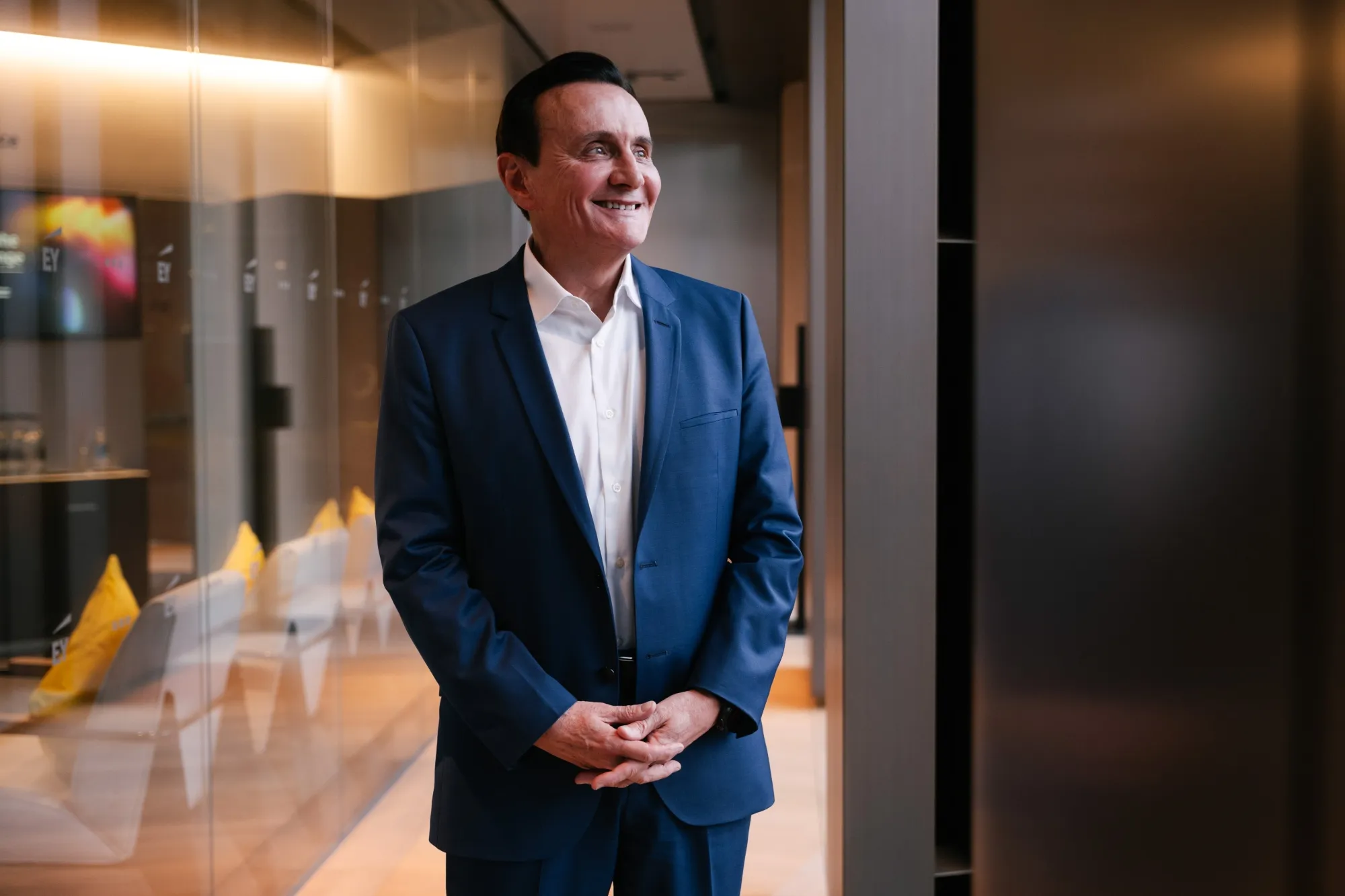
AstraZeneca Plc has what it needs to keep growing beyond 2030 without a major acquisition, Chief Executive Officer Pascal Soriot said, weeks after speculation about a potential tie-up with Bristol Myers Squibb Co.
“We absolutely have what we need,” Soriot said in an interview ahead of the opening of Astra’s new research hub in Cambridge, Massachusetts.
Soriot’s comments come after reports that Astra explored a potential combination with Bristol-Myers triggered a share slide. The transaction would have created one of the world’s largest pharmaceutical companies. While he didn’t rule out dealmaking, Soriot said Astra’s existing pipeline is broad enough to propel growth well into the next decade.
“We are not a company that is satisfied with what we have,” he said. “We always want to do better.” But investors, he argued, can become overly focused on one or two experimental drugs while overlooking the breadth of Astra’s portfolio.
The UK drugmaker has medicines in development across oncology, metabolic and rare diseases. Astra assumes roughly a 60% probability of success across its entire pipeline, Soriot said, compared with about 75% in recent years with late-stage clinical trials that typically have a higher success rate.
“If everything was to work, we would completely explode our turnover post 2030,” he said.
Not every experimental product will succeed, he acknowledged. Recently, a breast-cancer pill failed to delay disease progression more than the standard treatment in a late-stage study. But “we believe we will grow past 2030, and definitely beat the consensus.”
Part of that bet is taking shape in Boston, where Astra is opening the latest piece of a roughly $1 billion investment in Massachusetts. The new Kendall Square research center will house more than 2,000 scientists, with employees across the Boston area working in areas such as cell therapy, cardiovascular and metabolic diseases, and rare diseases.

Read More: AstraZeneca Invests $2 Billion in Summit for Cancer Drug
Obesity Push
Boston is also becoming the center of Astra’s push into obesity, a market currently dominated by Eli Lilly & Co. and Novo Nordisk A/S. The company has spent roughly two years assembling a team there to lead development of its weight-loss portfolio, including oral medicines and next-generation approaches that could include monthly rather than weekly injections.
Astra plans to differentiate in the competitive obesity market by treating not just excess weight but the broader metabolic problems that often accompany it, Soriot said, including improvements in addressing high cholesterol, hypertension and diabetes. The company is developing drugs that could eventually combine weight loss with treatments for those conditions in a single pill.
“What we have that nobody has is this ability to combine and treat patients who have risk factors,” Soriot said.
The Boston opening also reflects Astra’s growing tilt toward the US, where Soriot said innovation has continued to pull ahead of Europe. Astra spent years directing capital toward research and development, while investing relatively little in manufacturing, he said. Now the company needs new facilities to support the medicines emerging from that research.
President Donald Trump’s policies have accelerated the industry’s push toward US manufacturing, according to Soriot, though Astra would have needed the additional capacity regardless.
Soriot sees the shift as part of a broader race for global pharmaceutical leadership, a contest increasingly playing out between the US and China, rather than with Europe or Japan.
Read More: Big Pharma Is Hooked on Chinese Drug Licensing Deals
The competition is visible in Boston, where a concentration of drugmakers — especially those working on obesity — has made recruiting scientists more heated, while also expanding the talent pool. Danish drugmaker Zealand Pharma A/S opened a new site in Cambridge last week. Astra’s new laboratories are partly intended to help it compete for those workers, Soriot said.
“People also have to feel they work in a good place and at a company where they can make an impact,” he said. “That’s why we believe this site is so critical.”

 点赞
点赞 收藏
收藏 点踩
点踩 分享
分享