South Africa Gasoline Prices Hit Record High After Oil Shock

South Africans will pay a record price for gasoline as the latest oil shocks caused by the Iran war catch up with the monthly adjustments made by the government at the pump.
The retail price of 95-octane gasoline in the province of Gauteng will climb by 3.33 rand ($0.20) per liter on Oct. 7, the Department of Mineral and Petroleum Resources said in an emailed statement. The 12% increase lifts the price at the pump to 30.25 rand per liter, the highest on record. The wholesale cost of diesel will increase by as much as 3.24 per liter.
Oil advanced to around $100 per barrel last month as the US and Iran continued to exchange attacks and Saudi Arabia’s East-West Pipeline was shut by a drone attack.
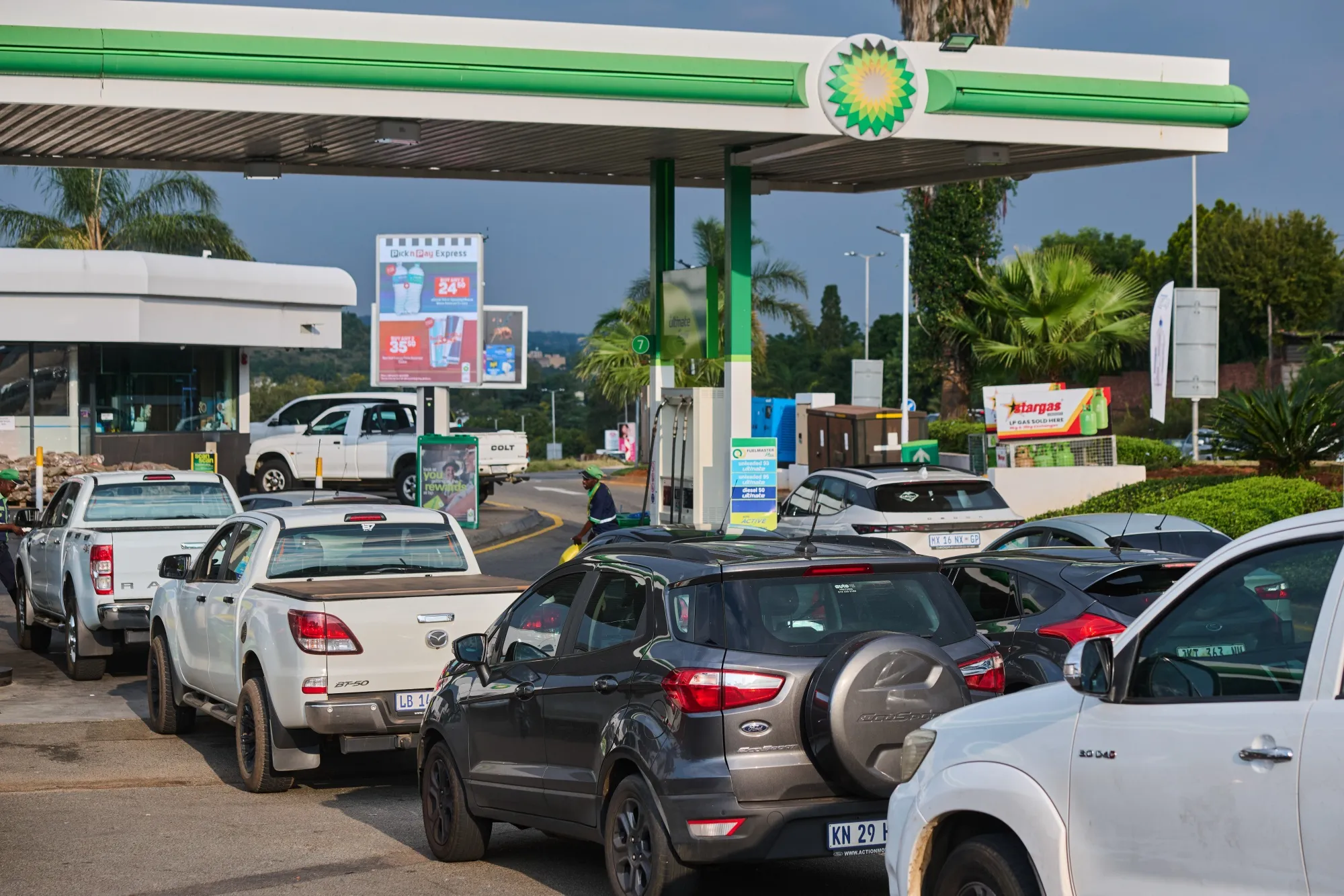
While that means higher fuel prices globally, the pain can be felt more keenly in Africa where households spend proportionately more of their earnings on transportation, due to a reliance on road travel and a lack of public transport.
It could also increase pressure on the South African Reserve Bank to raise interest rates again to defend its 3% inflation target. Higher fuel prices since the start of the war in late February have already helped pushed consumer-price growth to 4.4%, prompting the central bank to raise rates twice so far this year.
Fuel directly contributes almost 4% to the consumer price index while also being a key component in other costs that can hit inflation including transportation and food. Policymakers expect headline inflation to rise above 5% later this year and early next, before slowing as the fuel shock recedes. They see inflation returning to 3% toward the end of 2027.
Surging fuel prices also create a politically sensitive issue for governments, who may want to shield citizens from pain at the pump but must also beware of the implications for the budget. South Africa initially cut fuel taxes to cushion the blow of higher prices from the war, but set a three-month limit on the relief which expired in June.
In a previous move in 2022 to reduce fuel prices, South Africa sold some of its strategic oil stocks to fund a subsidy. Last year lawmakers said they were concerned about insufficient crude stockpiles.
Read more: South Africa Plans First Strategic Oil Boost Since Apartheid

 点赞
点赞 收藏
收藏 点踩
点踩 分享
分享