Iran War Supply Upheaval Opens New African Opportunities

Welcome to Next Africa, a daily newsletter on where the continent stands now — and where it’s headed. Sign up here. In today’s edition, we look at:
Oil and gas investors turning to Africa to diversify their riskA major inflection point in the renewed conflict in EthiopiaThe extreme heat impacting pregnant women and babies
A Resource Bonanza
The Middle East war exposed the world’s dependence on a single region for oil, liquefied natural gas and fertilizer. It’s also given deep-pocketed investors another reason to look to Africa, where all three are abundant.
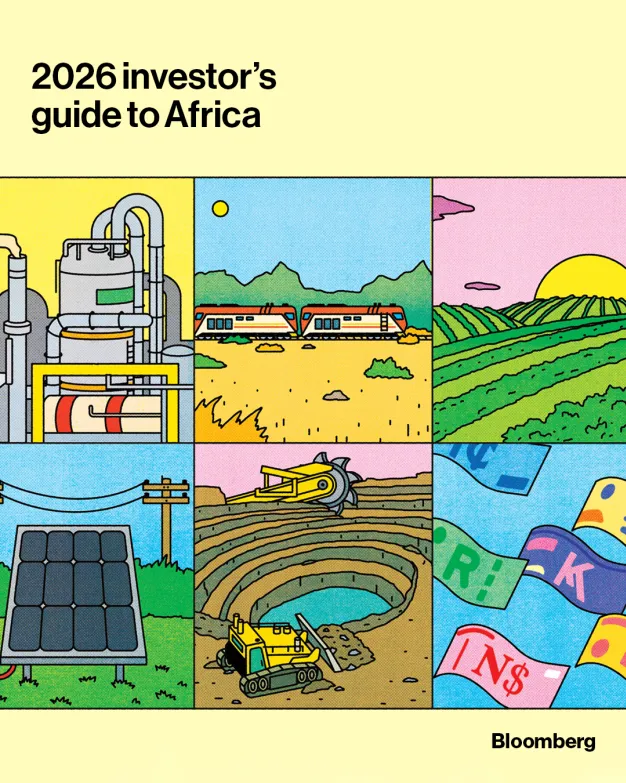
Some are already taking a bite, as the 2026 Investor’s Guide to Africa shows.
Canada’s Zimar Group in August signed a deal with Niger to build a $1.9 billion oil refinery and petrochemical complex. Last month, TotalEnergies and its partners said they plan to invest $10 billion in Angola’s oil sector.
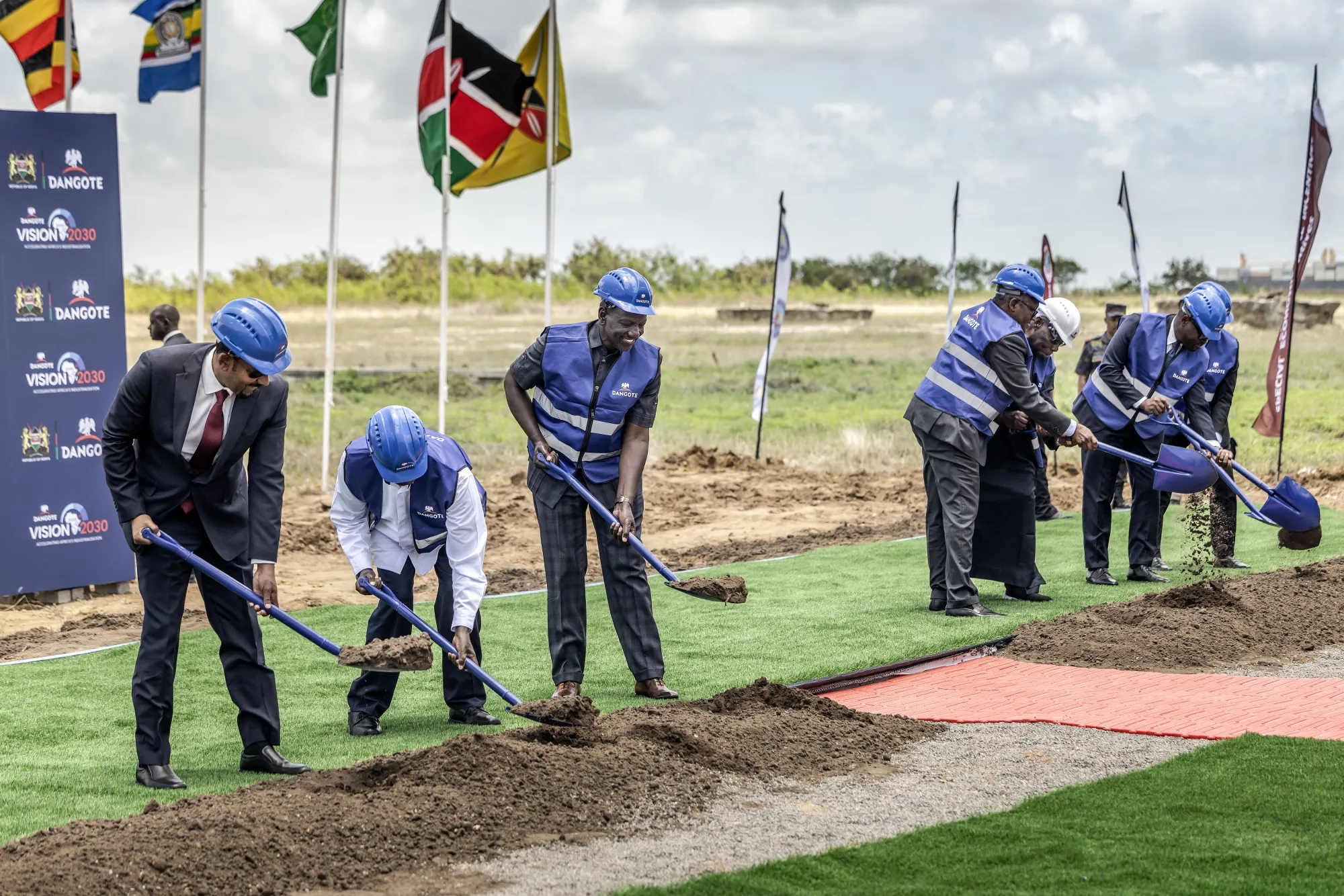
Homegrown investors are capitalizing too. Africa’s richest person, Aliko Dangote, committed to replicate the success of his 700,000-barrel-a-day oil refinery in Nigeria in Lamu, a coastal town in Kenya.
And it’s not just the Gulf conflict that has the world worried about overreliance.
China’s grip on critical-mineral supply chains — particularly the processing and refining needed to turn raw materials into inputs for everything from electric vehicles and weapons to semiconductors — has the US clinching deals in Africa.
California-based KoBold Metals in April unveiled what it called the world’s biggest lithium-exploration campaign in the Democratic Republic of Congo. The US government-backed Orion Critical Mineral Consortium has agreed to pursue a stake in Glencore’s Congolese copper mines and emerged as the favored candidate to invest in a major nickel project in Tanzania.
For investors, figuring out where to put money across 54 countries is the harder part. Bloomberg Economics’ Africa Investment Risk-o-Meter offers a guide, ranking 19 economies on measures including fiscal health, governance and infrastructure readiness.
The latest results highlight just how quickly the investment landscape can change.
Nigeria is one of the biggest climbers from a year ago. Botswana — long considered among Africa’s safest bets — fell the most.
What Everyone’s Reading
Ethiopian forces seized control of the airport and other parts of Mekelle, the capital of Tigray, as leaders of the Tigray People’s Liberation Front retreated from the city, a major turning point in a renewed conflict. Violence erupted in the northern region last month, after several armed groups announced an alliance aimed at ousting Prime Minister Abiy Ahmed’s government.
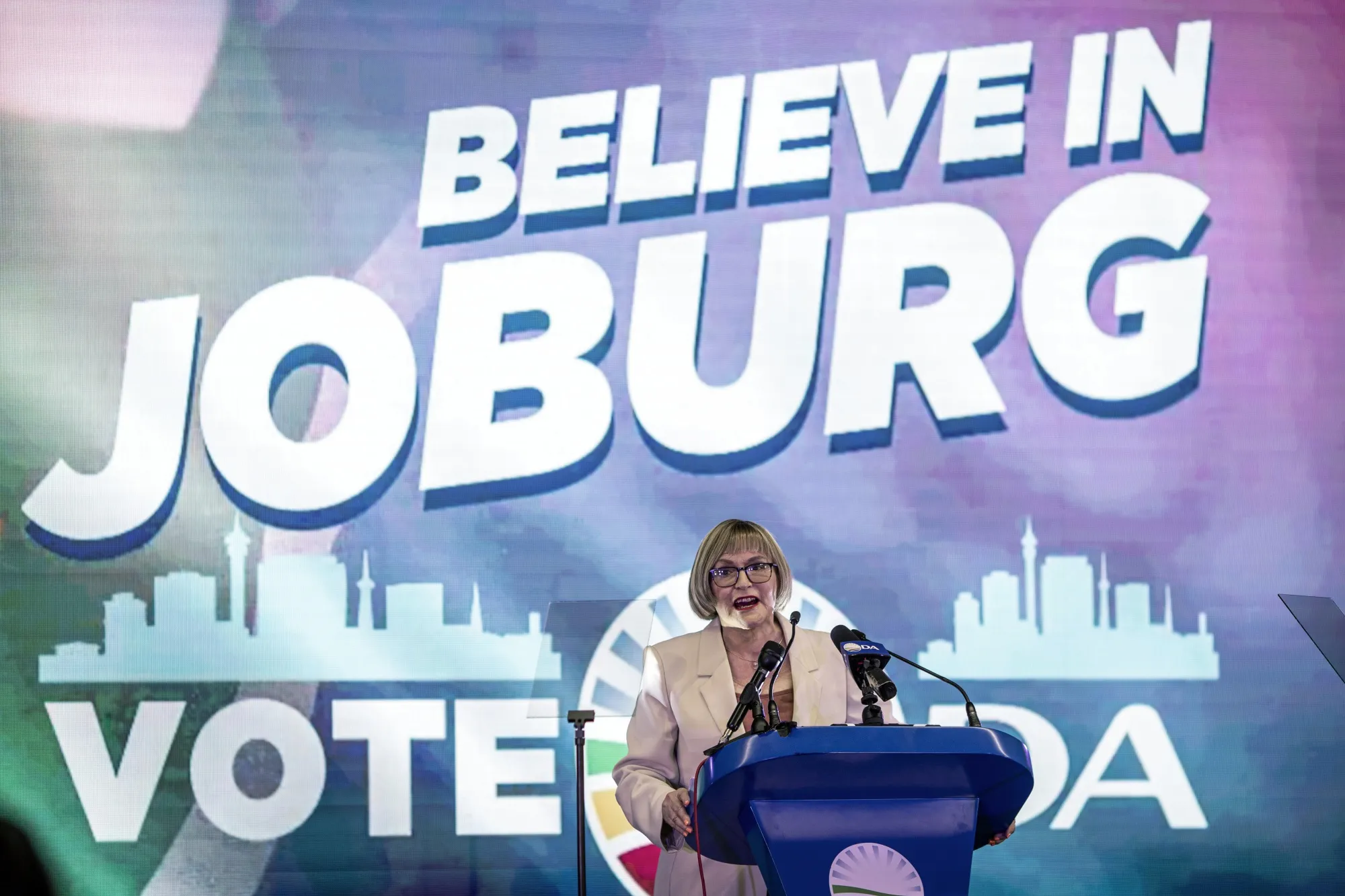
Veteran South African opposition politician Helen Zille is the most popular among candidates vying to become Johannesburg’s next mayor, a new poll showed, but she’ll likely fall short of securing an outright majority in elections to be held on Nov. 4. Zille had about 36% backing, although her Democratic Alliance party, which will be the actual choice on the ballot, got a more modest 29%.
Extreme heat is already harming pregnant women and babies, but health systems aren’t preparing maternity workers, warned Julia Gillard, the chair of UK research foundation Wellcome. Almost three-quarters of 1,000 medical professionals surveyed across India, Australia, Brazil, the UK and Zimbabwe said they had seen an increase in heat-related cases affecting pregnant women over the past five years.
Gabon’s dollar bonds were among the worst performers in emerging markets last week after the government held a series of investor calls on plans to sell new securities that raised questions about its disclosure of debt levels. Officials drew inquiries about the West African nation’s reported liabilities, as well as its anticipated budget shortfall for next year.
Investors are sticking with emerging-market carry trades, even after a rare quarterly loss, betting the strategy will be able to weather Treasury yields at multi-decade highs. South Africa’s Ninety One, Generali Asset Management and William Blair are among the money managers who see last quarter’s decline — the first in two years — as just a hiccup.
Sasol Tops EM Peers on Oil-From-Coal Bonanza
Thank you for your responses to our weekly Next Africa Quiz and congratulations to Brendan Walsh, who was first to correctly identify Morocco as the country which a new Amnesty International report alleged had used spyware for years against critics at home and abroad.
Behind the Numbers
Kenya’s central bank will announce its interest-rate decision this week.
Inflation has picked up since the oil shock began, but remains within the target range. With favorable base effects likely to pull price growth lower from the second quarter of 2027, policymakers should be comfortable keeping rates unchanged, writes Bloomberg Economics’ Yvonne Mhango.
South Africa’s manufacturing data is due out on Thursday.
The sector accounts for about 12% of economic output, making it an important signal for growth. High operating costs and intense external competition will likely prevent September output from sustaining August’s momentum.
Last Word
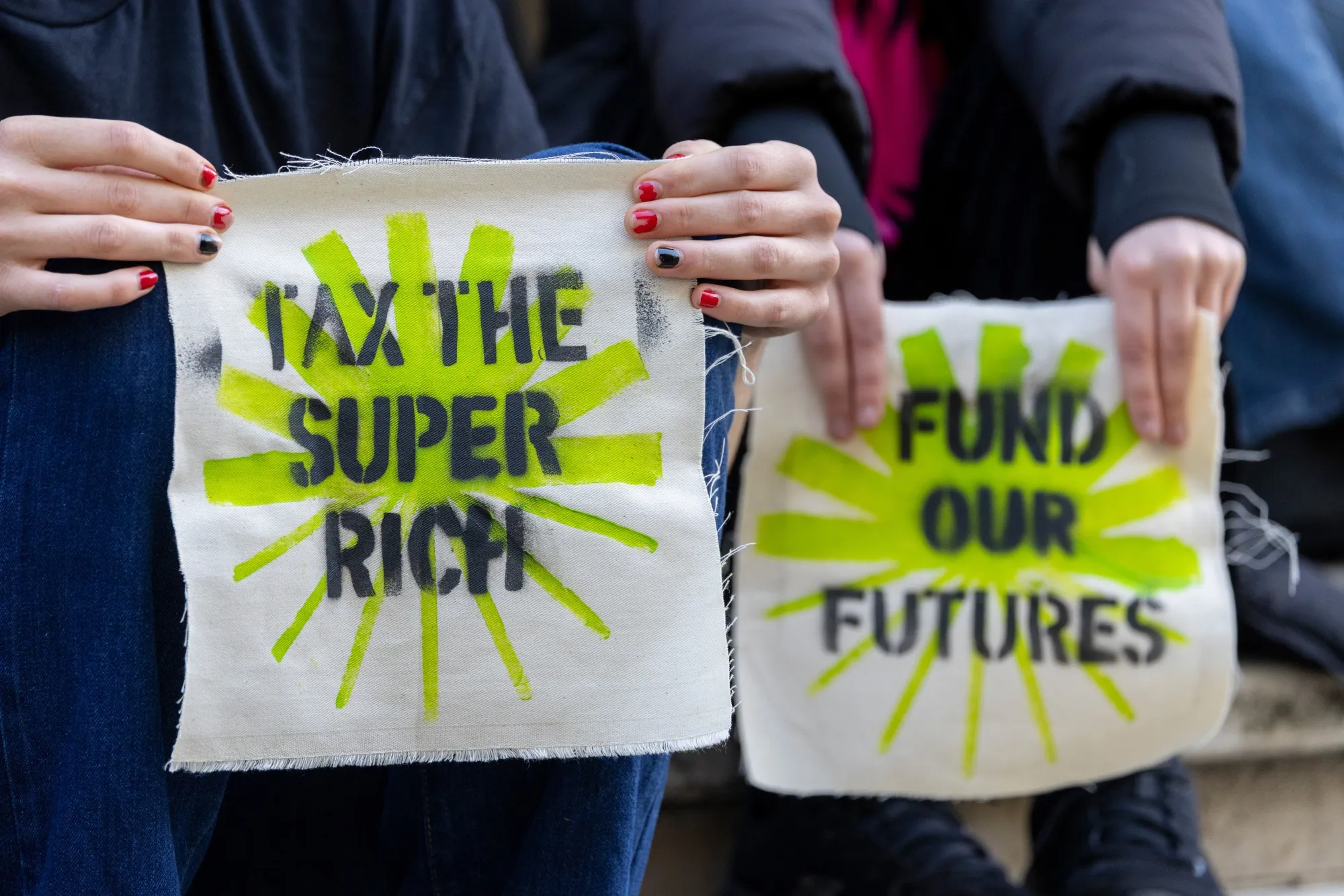
The exodus of the uber-rich from the UK has become a $160 billion problem. That figure, calculated using data from the Bloomberg Billionaires Index, lays out for the first time the vast amounts of money and assets behind those quitting Britain. It represents the total wealth of individuals tracked in the list who have loosened their ties with the UK — or cut them entirely — just in the past two years.
We’ll be back in your inbox with another edition tomorrow. Send any feedback to nextafrica@bloomberg.net.
More From Bloomberg
Enjoying Next Africa? You might also like:
Businessweek Daily for fresh perspectives on business, economics, politics and techMarkets Daily for what’s moving in stocks, bonds, FX and commoditiesBalance of Power for the latest political news and analysis from around the globeBloomberg Money for insights, ideas and tools for doing more with your moneyAI Today for a chronicle of the disruptions and threats of AI on businesses, workers, finance and economies

 点赞
点赞 收藏
收藏 点踩
点踩 分享
分享