France Seeks to Calm Nerves With Budget Plan

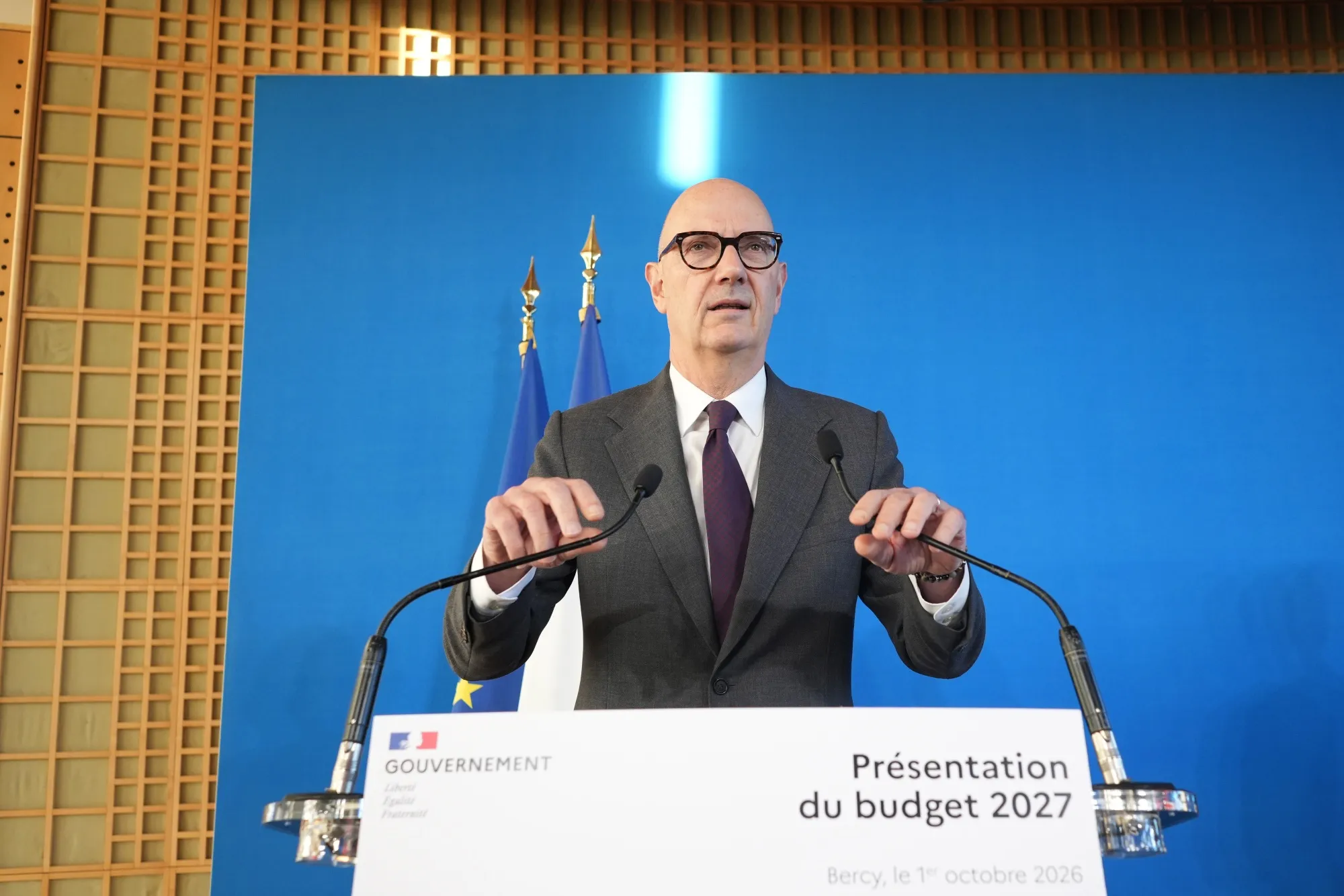
Welcome to the Brussels Edition. I’m Suzanne Lynch, Bloomberg’s Brussels bureau chief, bringing you the latest from the EU each weekday. Make sure you’re signed up.France’s minority government today unveiled its long-awaited plan to reduce the budget deficit, the latest effort to rein-in the country’s finances.
Sensitive issues like changes to the pension rules and freezing a wage-index for public sector workers are on the table, setting the stage for a parliamentary battle ahead of a key election next year which sees Marine Le Pen’s far-right National Rally party ahead in polls.
With markets looking on increasingly anxiously, the government’s aim is to reduce the country’s deficit to 5% next year.
But already the top fiscal watchdog has sounded the alarm bells, warning today that the economic assumptions enshrined in the budget are “optimistic.”
The independent council for monitoring public finances, known as the HCFP, said the forecasts assume an ambitious pick up in private investment even as surging sovereign borrowing costs will likely feed through to financing conditions of firms and households.
Today’s budget is the latest test of investors’ nerves. French borrowing costs have been surging, reflecting investor concern about the state of the eurozone’s second-largest economy.
The French yield premium over Germany has widened sharply in recent months, climbing briefly above 130 basis points, the most since 2012 — a sign of market concern about its debt sustainability. France’s debt burden is set to top 120% of gross domestic product next year.
France is one of many European countries finalizing their budgets ahead of a European Union mid-October deadline. Italy will set out its plan tomorrow, the Belgian government is holding high-stake talks this weekend, while Ireland will unveil its budget next week.
With inflation racing ahead across the euro area and a series of elections on the horizon, including in France, markets will be watching closely.
Around Europe
Key European nations are holding emergency talks on how to respond to US pressure to release strategic fuel reserves.The European Central Bank wrote to European Council President Antonio Costa, formally asking EU leaders to start choosing a successor to Isabel Schnabel and initiating a likely package deal over ECB jobs.The EU reached a preliminary accord to cut capital charges on some securitizations by as much as half, seeking to unlock billions in additional funds to finance goals including defense and climate resilience.Latvia’s security services said they detained a couple on suspicion of collecting information for Russia about the Baltic country’s defenses.
Chart of the Day
The Czech Republic, one of the last major holdouts of the era of spiraling government debt, is embarking on an unprecedented spending spree just as the cost of borrowing surges. Since winning last year’s election with a pledge to loosen the nation’s fiscal self-restraint, Prime Minister Andrej Babis is raising debt to spend more on highways, nuclear reactors, defense and healthcare as well as to increase pensions and public-sector salaries. His 2027 draft budget envisages one of the EU’s biggest fiscal expansions compared with 2026, along with record-high debt issuance for the $390 billion economy.
Market SnapshotVestas Wind Systems A/Skr189.85-3.2%Market data as of 09:02 AM ET. Data is subject to provider delays.
Danish wind turbine company
Vestas
announced new orders in Germany and contracts in Vietnam this week.
Coming up
Press Conference following meeting of Justice and Home Affairs Ministers in Luxembourg this afternoonEuropean Commission President Ursula von der Leyen continues Western Balkans tour French President Emmanuel Macron hosts Argentinian Prime Minister Javier Milei later today
Final Thought
Russia is responding to Ukrainian attacks in the Black Sea by seeking to reroute its grain exports, but so far the efforts are falling short — only about 1/10th of the volumes are being shipped through the key alternative ports, data show. It’s the latest sign of how the escalation in hostilities is roiling commodity markets. Russia is the world’s top wheat exporter, and a drop in its shipments could exacerbate already high global food costs as geopolitical tensions and extreme weather disrupt farming across the world.

 点赞
点赞 收藏
收藏 点踩
点踩 分享
分享