UK Eyes Tougher Benefit Rules in Bid to Cut Soaring Welfare Bill

Prime Minister Andy Burnham’s government is looking at ways to curb soaring UK spending on benefits, including tighter welfare eligibility rules for young people, potentially reopening a debate that sped the downfall of his predecessor.
Since Labour backbenchers foiled a bid by former Prime Minister Keir Starmer to shave £5 billion ($6.6 billion) from the annual welfare bill, ministers have focused policy messaging on improving the employment offer for young people struggling to find or remain in work. Now, Burnham’s government is laying the ground for stricter conditions for claimants to tackle the twin challenge of rising youth unemployment and welfare spending, according to people familiar with matter.
Chancellor of the Exchequer John Healey appeared to signal the shift in his speech to the Labour Party’s annual conference on Monday in Liverpool, pitching what he said was the “moral” case for reducing spending on benefits. He argued it was “not progressive to allow a bigger and bigger benefits bill, and a system which offers an income but doesn’t offer a future.”
The rapidly rising welfare bill in recent years makes it one of the thorniest issues faced by Burnham as he seeks to turn around the economy and restore “hope” to ordinary Britons. After Labour rebels forced Starmer into a damaging U-turn last year on relatively modest plans to trim spending, the party’s credibility on fiscal responsibility is also at stake, with the main opposition Conservatives regularly using the issue in its attacks on the government.
Burnham, who hails from Labour’s “soft left” wing, is particularly vulnerable to the criticism. After replacing Starmer as prime minister in July, one of his first acts was to appoint Louise Haigh, a leading opponent of Starmer’s welfare overhaul, as his de facto deputy.
Still, it’s now Burnham’s responsibility to make sure the numbers add up. He inherited annual welfare spending of about £330 billion — £50 billion higher than in 2019/20. The Office for Budget Responsibility in March projected it to rise by more than another £70 billion by the 2030-31 tax year.
Contributing to that is a challenging picture on youth employment, with the out-of-work rate among 16 to 24-year-olds at 16.4%, the highest since 2014.
All of that raises the stakes for Burnham’s administration, with rising welfare spending curtailing its ability to spend in other areas. Healey’s message about the “moral” case for reducing spending on benefits was echoed by government figures elsewhere in Liverpool.
Speaking at a fringe event on the sidelines of the conference, Employment Minister Andrew Western said there were difficult decisions to come on the “perverse incentives” in the health welfare system, which he suggested encourages young people to claim sickness benefits without requirements to seek employment. He said the government had already intervened through employment support focused on young people with health conditions and better access to apprenticeships.
“There will be some more difficult things to do as well,” Western said. “We’re looking as a government about how we address some of those disincentives and barriers within the existing system.”
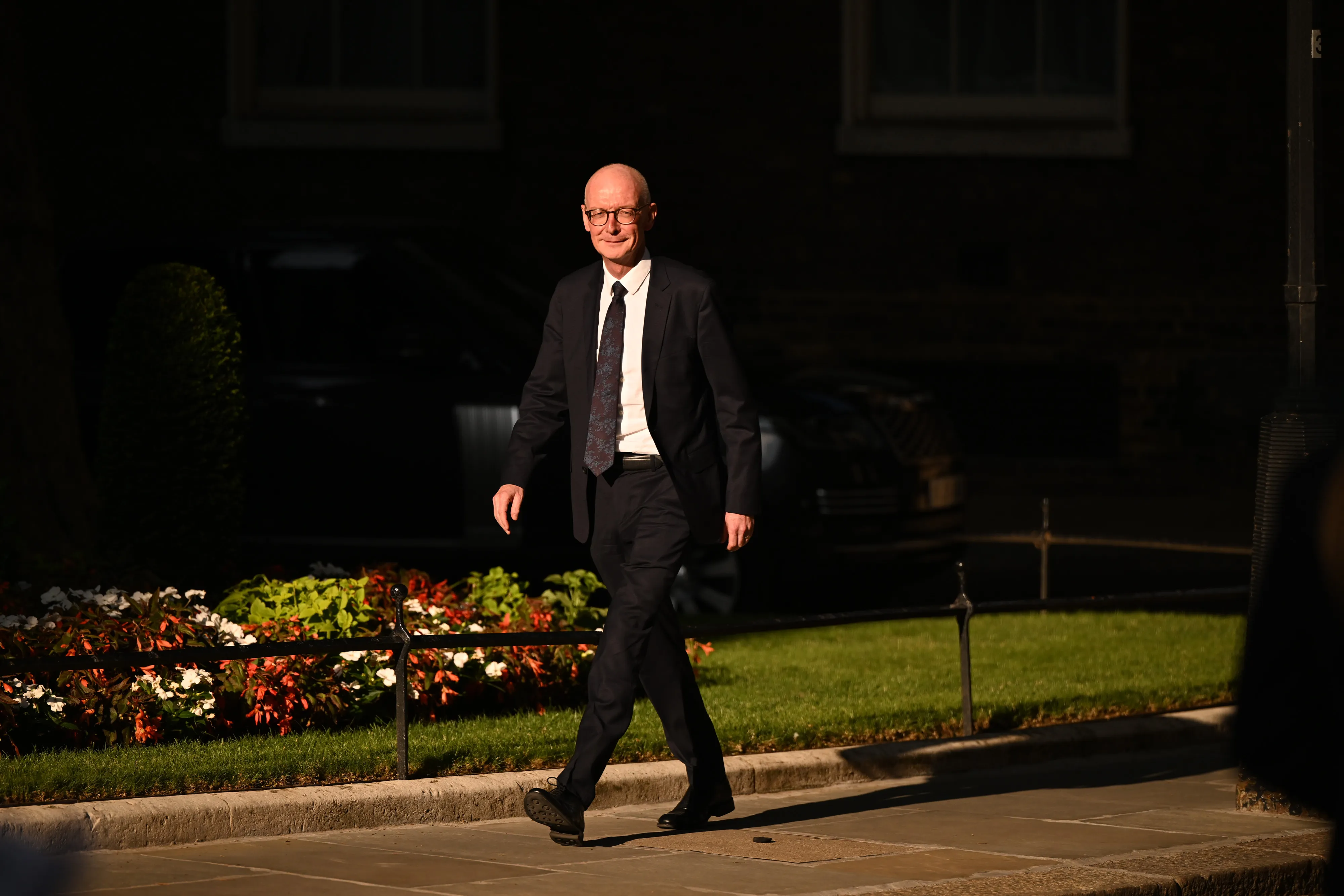
The government is preparing for the imminent publication of a review into how to tackle the almost one million young people currently not in education, work or employment, authored by former Labour Health Minister Alan Milburn. Work and Pensions Secretary Pat McFadden hinted on Sunday that it would make recommendations around tightening the criteria on benefit eligibility.
“I imagine it will recommend some reforms as well as support,” McFadden told Bloomberg. Asked if that would mean more stringent eligibility criteria for young people claiming benefits, he said: “It will mean reform.”
McFadden used his own conference speech to say it is not responsible governance to leave people relying solely on benefits for their income, without trying to help them into employment.
Ahead of the publication of his full review, Milburn told a fringe event he thought it was a “laudable objective to say that we should, over time, be able to cut the benefits bill” but that this would require increased spending on employment support.
“The only way sustainably of reducing the benefits bill is by ensuring and enabling that more young people and more people generally can get into work,” he said.

 点赞
点赞 收藏
收藏 点踩
点踩 分享
分享