Why Andy Burnham Is in No Rush to Call a UK Election


Andy Burnham has shown little patience for one of Britain’s oldest political traditions: debating whether the prime minister will call an early election.
“No, no election any time soon,” Burnham said on Sept. 25, adding, “all of this speculation on an early election, I can knock that dead.”
Such proclamations won’t put to rest questions about whether the UK leader will go to the polls, one of the most powerful levers a prime minister has to pull. Get the decision right, and Burnham would secure the authority he needs to make a clearer break with his predecessor, Keir Starmer. Get it wrong, and he could end his political career and affirm fears that Britain is ungovernable. One senior Labour official privately described the idea as madness.
Here’s why an early election is fraught with risk for Burnham:
When does the UK need to hold an election?
Unlike the US, which has a constitutionally fixed date for voters to go to the polls, Britain’s general elections are a more flexible affair. The prime minister must only call an election before the current government’s five-year term expires. For Burnham, that means August 2029 because he deposed the man who led Labour to victory two years ago: former Prime Minister Starmer. While Starmer’s collapse in the polls for a time silenced the debate about when to hold the election, a bump in Labour’s public approval under Burnham has reawakened it.
What are the arguments for calling an election?
The case for an election centers on issues of legitimacy. Without one, Burnham, who until June served as mayor of Greater Manchester, lacks the sort of national mandate to govern that Starmer could claim. Moreover, it would give him the chance to revise policy pledges that, according to many Labour figures, hamstring the party’s ability to deliver change. Those include a prohibition against broad-based tax increases and a vow not to reverse the UK’s 2016 decision to leave the European Union. Moreover, Nigel Farage’s decline in the polls has reduced the immediate threat of a right-wing populist victory. Burnham could call a vote from a position of relative strength. A decline in the global economic outlook may also require more radical policy moves that would be hard to push through without a fresh mandate.
When might an election be held?
Burnham’s first budget laying out his government’s spending priorities comes in October. In December, he’s due to unveil a “10-year plan” for reform. If well-received, those two documents could provide a platform from which to mount a national campaign. The prime minister’s announcement on Sept. 27 that he’ll fight the next election on a plan to overhaul the country’s sputtering social care system has fueled speculation that he could go to the polls after a review of the problem is completed in the middle of next year.
What have other prime ministers done?
Boris Johnson’s move to call an election in December 2019 even though he had a mandate through to 2022 stands out as an example of when the decision worked out well for the prime minister. Having unified his Conservative party around a vow to “get Brexit done,” Johnson capitalized on divisions in Labour under its leftist former leader Jeremy Corbyn and secured a large majority.
Johnson’s predecessor, Theresa May, provided a cautionary tale. She went to voters buoyed by a 20-percentage-point lead in some polls, only to wind up losing her majority and being forced to lead a minority government.
What would an early election mean for the opposition?
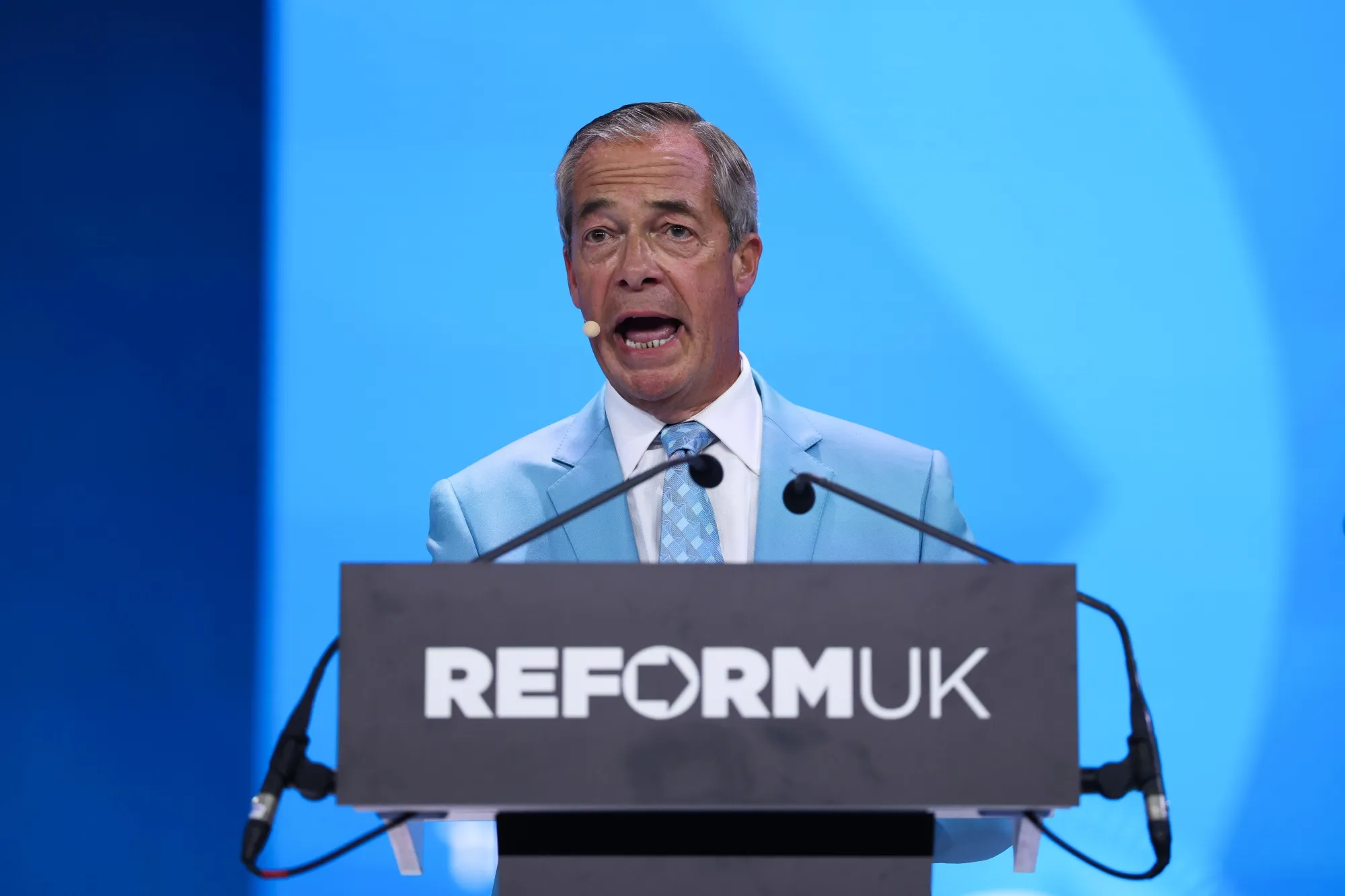
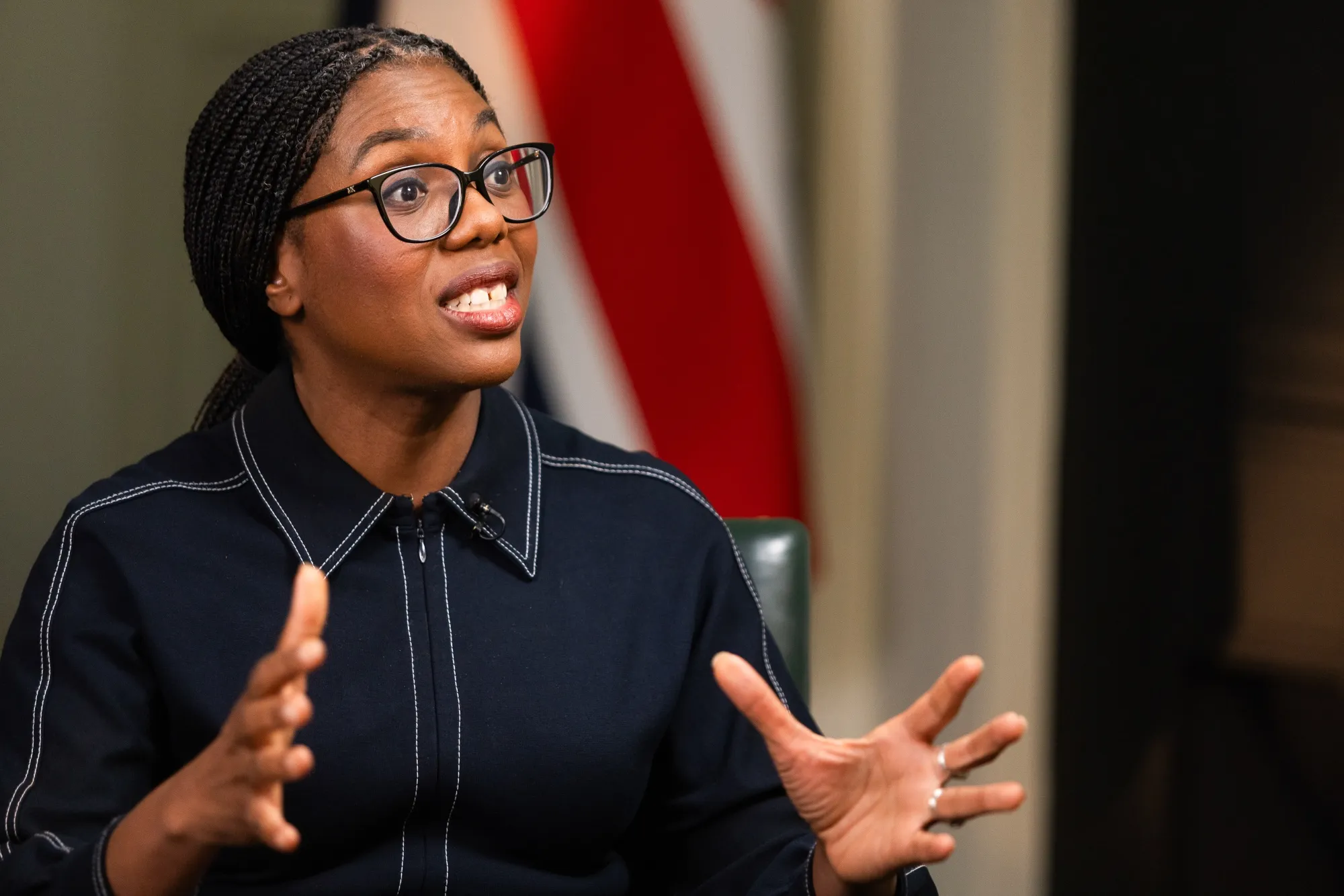
The main opposition Conservatives have been buoyed over the past year by a slight pickup in the polls amid improved perceptions of their leader Kemi Badenoch. Yet the party is still polling below the 24% it secured in the 2024 election, and Farage’s Reform UK is threatening to steal away many of its core, right-leaning voters.
Reform itself has suffered a dip in recent weeks amid a series of scandals about the party’s finances. It only won five seats in the House of Commons in 2024, but led national polls for more than a year from April 2025. Now it’s slipped behind Labour and — in some polls — even behind the Tories. Should Farage’s fortunes take a turn for the worse and his popularity continue to wane in the coming months, that might cause some Labour aides to seek to press home the advantage with an election. Success might not be assured, as Farage would likely take a cue from Donald Trump’s playbook of campaigning against an establishment stitch-up.
What are the risks for Burnham?
The risk is that Burnham loses seats, or even his majority. He inherited a huge parliamentary majority that stands at 166. Detailed seat-by-seat analysis by YouGov in the week of Sept. 20 had Labour winning 241 of the 650 seats in the House of Commons, compared to the 403 it currently holds. That would leave it well short of a majority, and could require Burnham to cobble together some kind of rainbow coalition. This would go down as one of the biggest self-inflicted wounds in British political history.
The economic outlook presents another argument against going for a vote. The government is braced for increases in inflation, interest rates and energy bills later this year and for the economy to cool as the impact of the Iran war is felt. The fiscal picture is also difficult. Calling an election against that backdrop would give Labour’s opponents a platform to argue they were planning to raise taxes.

 点赞
点赞 收藏
收藏 点踩
点踩 分享
分享