Verisure Bets on AI Partnerships to Counter Disruption Concerns

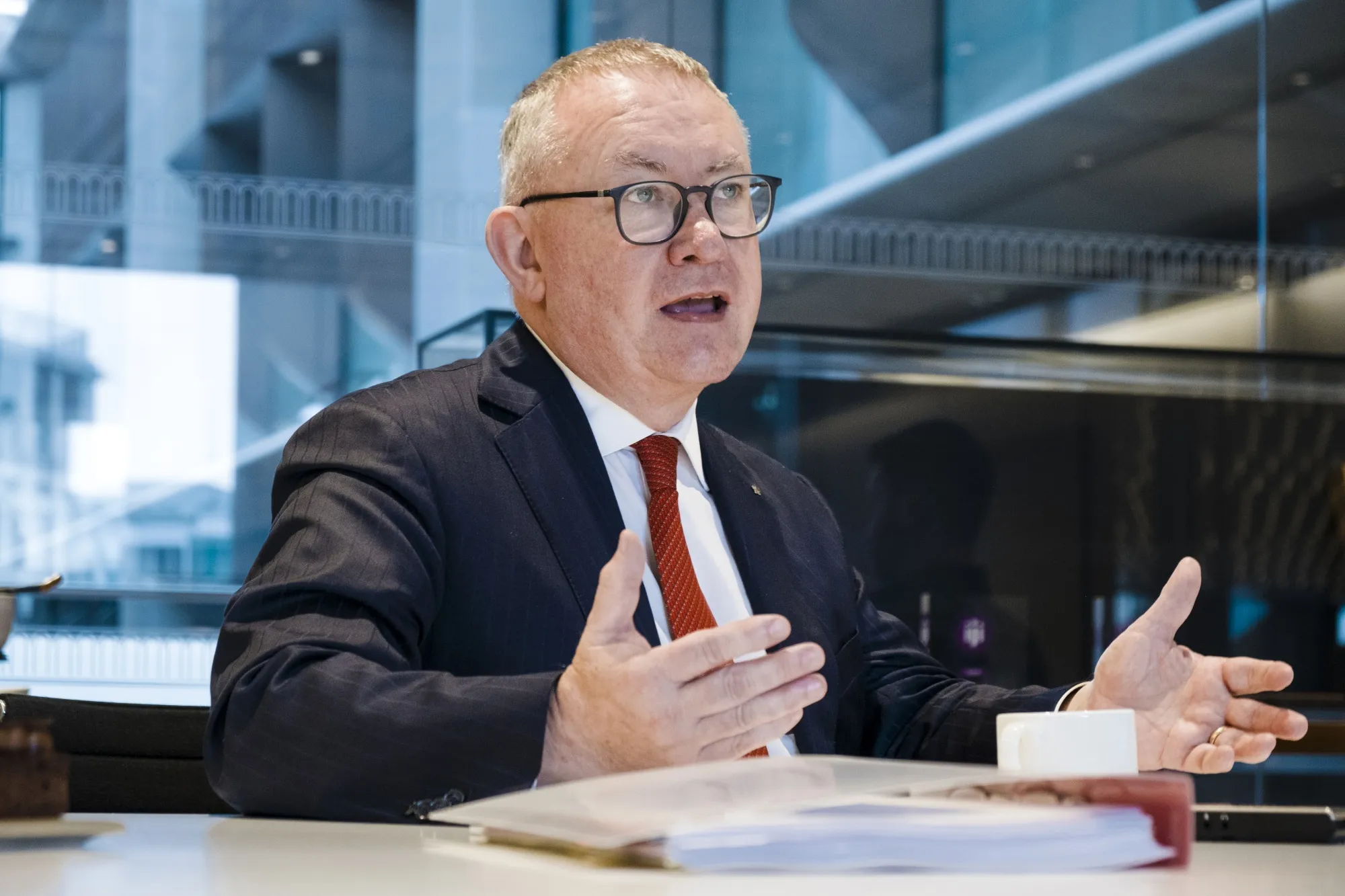
Verisure Plc is bringing in outside technology and investing more in training artificial intelligence models on its own data as the Swedish home-security business seeks to reassure investors that it can keep up with new competition.
Verisure is drawing data from its 6.4 million subscribers to train AI models to better distinguish genuine security threats from false alarms, Chief Executive Officer Austin Lally said. The technology is already being used in its latest detectors to identify people and animals and improve monitoring in difficult outdoor conditions.
“We have more high-quality training data than anyone else in the industry,” Lally said in an interview in Stockholm.
The AI push comes amid continued scrutiny from investors over the impact of the technology on Verisure’s competitive position. Those concerns hit the stock in February, when it was caught in a broader selloff in companies seen as vulnerable to AI disruption. The shares on Friday were trading roughly 40% below last year’s listing price of €13.25 ($15.10).
A key worry is that advances in AI could make cheaper, self-monitored security systems more capable, reducing the appeal of premium services such as Verisure’s round-the-clock monitoring. Traditional rivals like ADT Inc. are investing in AI as well. The US security systems group paid $170 million earlier this year for Origin AI, gaining technology that uses WiFi signals to identify human presence.
Verisure has taken a different route, licensing Origin’s technology in a five-year deal while also striking partnerships with other specialists. Its latest is an exclusive European agreement with US-based Ting Labs Inc., whose plug-in sensor identifies electrical faults before they cause a fire.
Lally says Ting’s technology will be rolled out in Europe from 2027 and sees potential to distribute it through insurers. Verisure will manufacture a European version of the sensor and integrate it into its 24-hour monitoring service, alongside products such as connected smoke alarms.
The CEO declined to disclose the licensing fee, but said the company expects to more than recoup the cost by selling the service to existing customers and supporting higher prices.
Verisure’s own machine-learning model helps monitoring-center staff assess alarms in real time. Used in Spain, France and Italy, it assessed almost 4 million alarms in the first quarter and has cut response times by 15%, Lally said.
Verisure CEO Says Cash Generation Has Reached ‘Inflection Point’Verisure Shares Slide as Earnings Fail to Convince InvestorsVerisure Jumps in Debut for Europe’s Biggest IPO Since 2022

 点赞
点赞 收藏
收藏 点踩
点踩 分享
分享