From Geisha Face Paint to Servers, Sakai Chemical Emerges as AI Linchpin

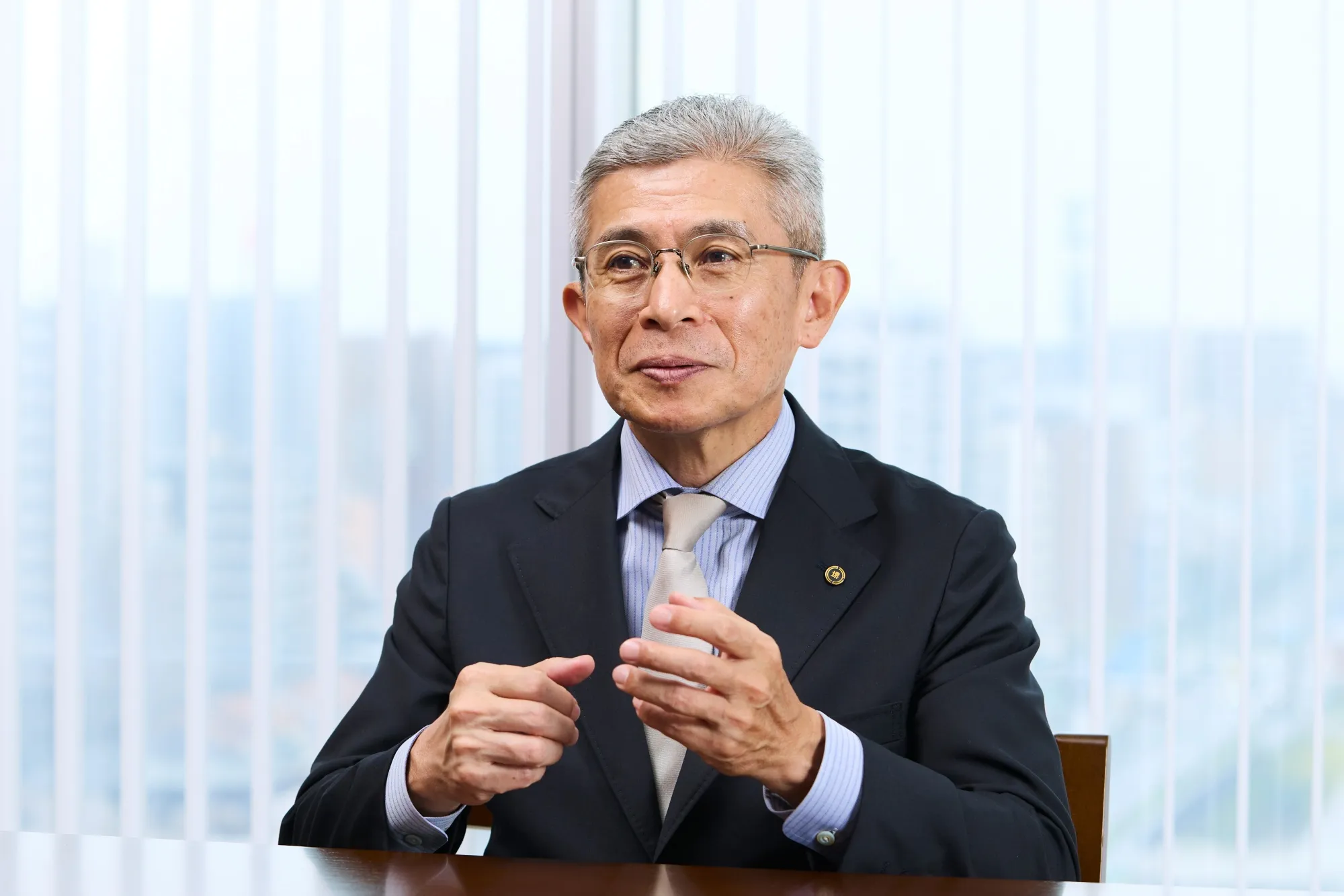
Sakai Chemical Industry Co.’s century-old expertise in producing fine powders for face makeup used by geisha is finding a lucrative new use — powering the artificial intelligence boom.
Production capacity is quickly filling up at the Osaka-based company, which provides raw materials for capacitors necessary in AI data centers. Until recently, such production was a side business for Sakai Chemical, which has spent decades perfecting the production of ultra-fine and uniform particles — whether for safe, lead-free base material for traditional Japanese face powders, or for chemical compounds that store big electrical charges inside tiny components in servers.
The last year has transformed Sakai Chemical into a little-known tech supply chain linchpin. The company’s now calculating how much more production capability it needs to add, according to its President Toshiyuki Yagura.
A double-digit increase in manufacturing capacity is likely, according to Yagura. Advanced multilayer ceramic capacitor (MLCC) makers — such as clients Murata Manufacturing Co. and Taiyo Yuden Co. — raise their order forecasts at every meeting, he said. Sakai Chemical will make a decision regarding capex by March, he added.
“I didn’t think demand would grow this fast, and that’s all because of AI,” Yagura said in an interview, adding that he fields wistful jokes about the possibility of Sakai Chemical building facilities next to MLCC makers’ factories. The pace of AI-led momentum has eased somewhat, but he said the boom will likely last through 2027 at least.
Last quarter, Sakai Chemical’s electronics materials segment profit rose 22%, even as company-wide operating profit fell 10%, hurt by weak demand for building materials in Japan and changing trends in the sunscreen market. Electronics materials are now the company’s largest profit generator, surpassing its mainstay plastic additives business. The company’s stock price is up about 15% this year.
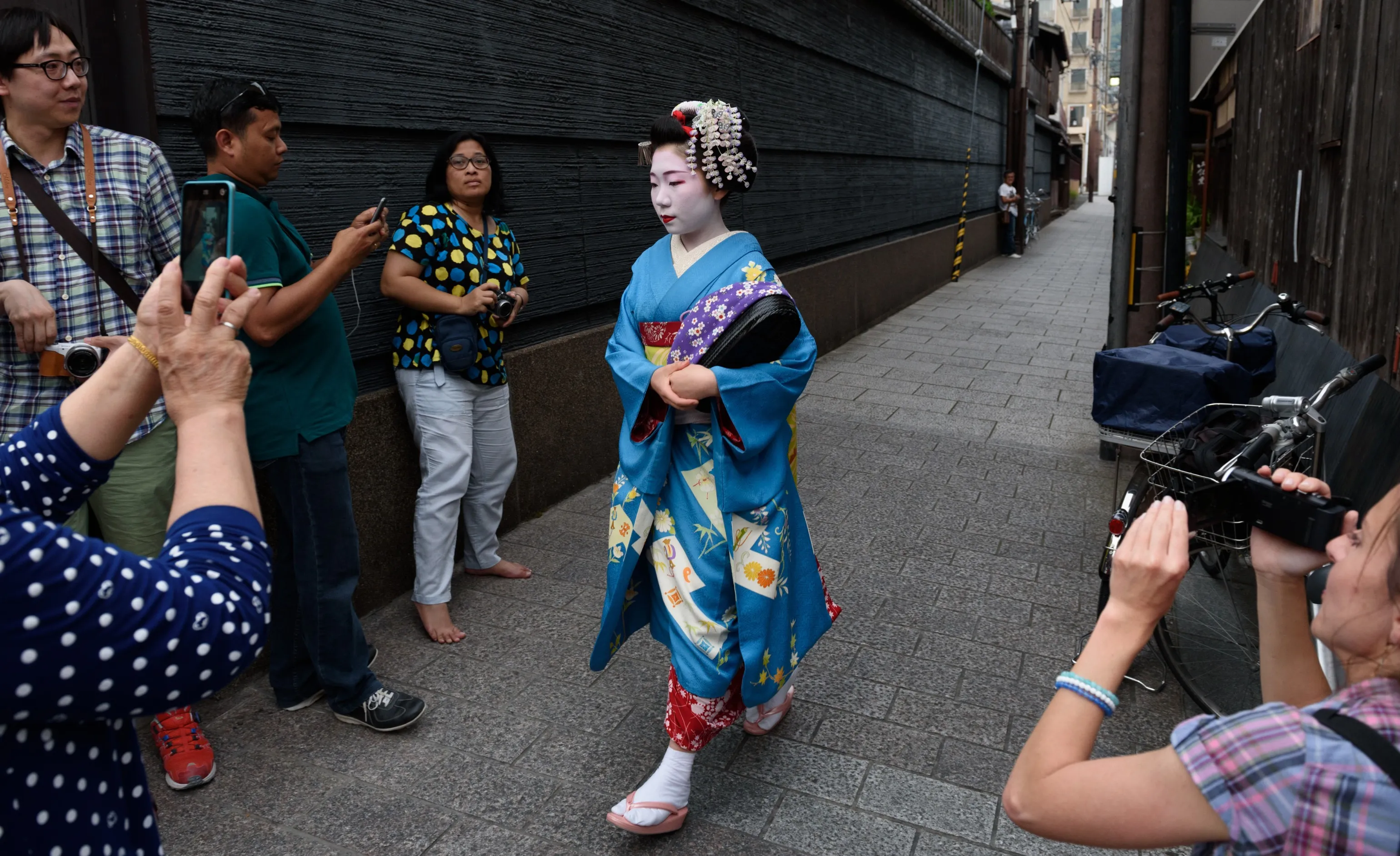
The 108-year-old company started out by supplying high-purity zinc oxide as a safe alternative to the white lead historically used in the iconic makeup of geisha and kabuki entertainers. The older form of makeup provided a smooth, brilliant and long-lasting white finish, but caused chronic lead poisoning in Japan’s artist class. Sakai Chemical offered a safe material that offered white, opaque coverage that spread easily over the skin. From makeup, Sakai Chemical soon expanded into materials used in products ranging from sunscreens and car tires to plastics and barium compounds.
The AI spending rush has put a spotlight on the company’s expertise in barium titanate, a critical chemical compound needed to make MLCCs — tiny components that regulate power flow in electronics. High-end capacitors used in AI servers need to be made from ultra-fine, uniform and high-purity barium titanate particles.
Sakai Chemical has been supplying the material for decades, but sales only began surging late last year, when annual orders for some products doubled as the AI infrastructure boom fueled demand.
While MLCC manufacturers also make the ingredient by mixing, firing and grinding barium and titanium compounds, they turn to Sakai Chemical for the materials needed to make capacitors for AI servers, according to Yagura. To make its ultra-pure powder, Sakai Chemical makes the compounds react in a liquid solution while exposing them to high temperature and pressure — a difficult process that requires precise control of multiple variables.
Despite high demand and insufficient capacity, the company has no plans to raise prices of its MLCC particles beyond what’s required to cover higher input costs, according to Yagura. That’s even as he acknowledges such reluctance weighs on corporate value.
“We are modest but proud of doing things right,” Yagura said.
Murata Warns AI Spending Will Level Off After Raising OutlookTaiyo Yuden Sees ‘Scary’ AI Demand Straining Supply ChainKey Chip Materials Maker Goes Into Debt Rather Than Raise Prices
Chinese manufacturers are spending heavily to catch up in chips, semiconductor materials and MLCCs. While Chinese companies’ market presence is growing in electronic materials, Japanese manufacturers retain an edge in consistency, Yagura said.
“Chinese makers may be able to show off their best samples out of their labs, but consistently delivering products of reliable quality is something Japan excels at,” he said.

 点赞
点赞 收藏
收藏 点踩
点踩 分享
分享