What to Know About the Apparent Iranian Threat Against Barron Trump

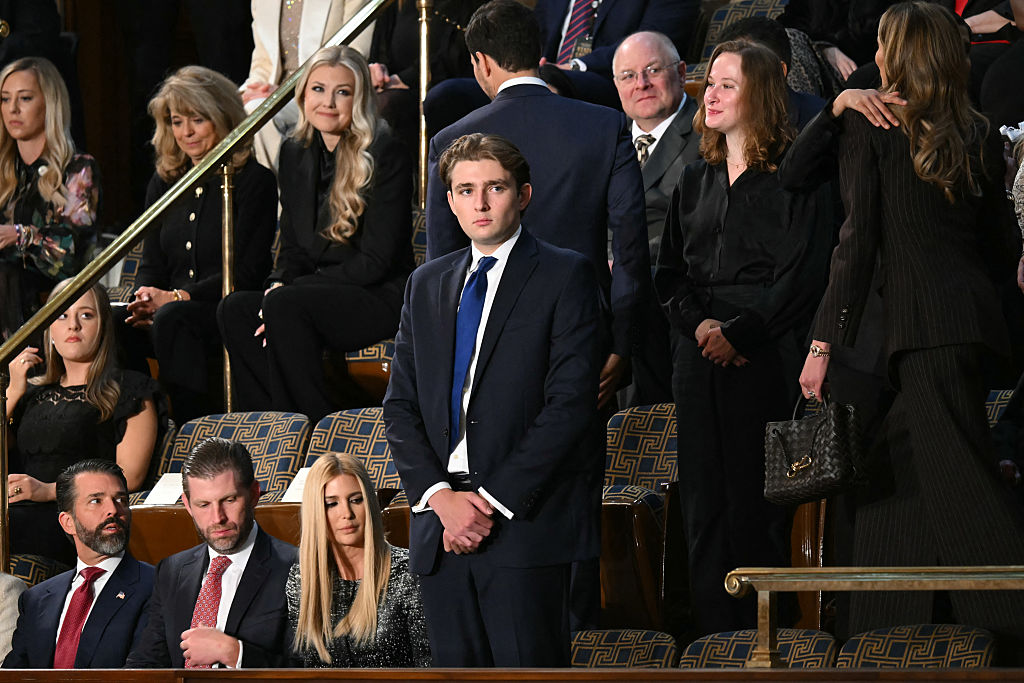
The U.S. Secret Service said it was aware of a video broadcast by Iranian state media that appeared to threaten President Donald Trump’s youngest son, Barron.
“The U.S. Secret Service is aware of the video and investigates anything that can be perceived as a threat toward our protectees,” Secret Service spokesperson Nate Herring said in a statement. “Out of concern for operational security, we do not discuss matters of protective intelligence.”
According to the U.K.-based news outlet Iran International, the nearly three-minute clip—which starts with a graphic that reads “Where to Kill Barron Trump”—describes efforts to reach the President’s 20-year-old son, whom the video narrator claims is under surveillance.
The video also references several locations related to Barron Trump, such as his place of study and the Trump Tower in New York, as well as his security arrangements. The narrator also suggests a $10 million reward connected to efforts against Barron Trump.
Read More: Trump's Secret Plane Swap Was Unusual, Not Unprecedented
TIME could not independently verify the claims made in the video, which provided no evidence that Barron Trump was actually under surveillance or that anyone had successfully compromised his security. The White House referred TIME to the Secret Service when asked for a response to the apparent threat against Barron Trump.
CNN first reported that the Secret Service was aware of the segment, which aired over the weekend on state-run Islamic Republic of Iran Broadcasting. IRIB operates under the Supreme Leader's control.
The segment follows a similar video released in July by the IRGC-affiliated Tasnim News Agency that focused on First Lady Melania Trump. That video depicted purported vulnerabilities in her security and ended with the words: ‘Barron Trump, wait for us!’”
Trump has been the subject of such threats from Iran since his first term. Iranian officials have repeatedly threatened Trump since he ordered the airstrike that killed Iranian General Qasem Soleimani, the commander of Iran’s elite Quds Force, in early 2020.
Threats intensified after the U.S. and Israel launched strikes against Iran in late February, killing Supreme Leader Ayatollah Ali Khamenei during the opening phase of the war. His son and successor, Mojtaba Khamenei, has vowed to avenge his death.
Images depicting the deaths of Trump and members of his family have since featured prominently in Iranian calls for revenge.
Last month, a mural in Tehran’s Palestine Square depicted members of the First Family above coffins draped in American flags. The same month, in Enqelab Square, the site of pro-Khamenei demonstrations, a billboard appeared to show Trump’s body in a coffin.
“I don’t think it’s any secret—it’s been in the media that Iran has publicly said they want to kill President Donald Trump,” U.S. Secret Service Deputy Director Matt Quinn told reporters at an event in July.
Earlier this month, the President confirmed that he had secretly switched planes as he left a NATO Summit in Türkiye in July based on a possible Iranian threat.
In response to the Iranian threats on his life, Trump has warned that any Iranian attempt to assassinate him would result in the ‘decimation’ and ‘destruction’ of Iran.

 点赞
点赞 收藏
收藏 点踩
点踩 分享
分享