Is Toilet Paper Bad For You? Here’s What Experts Say

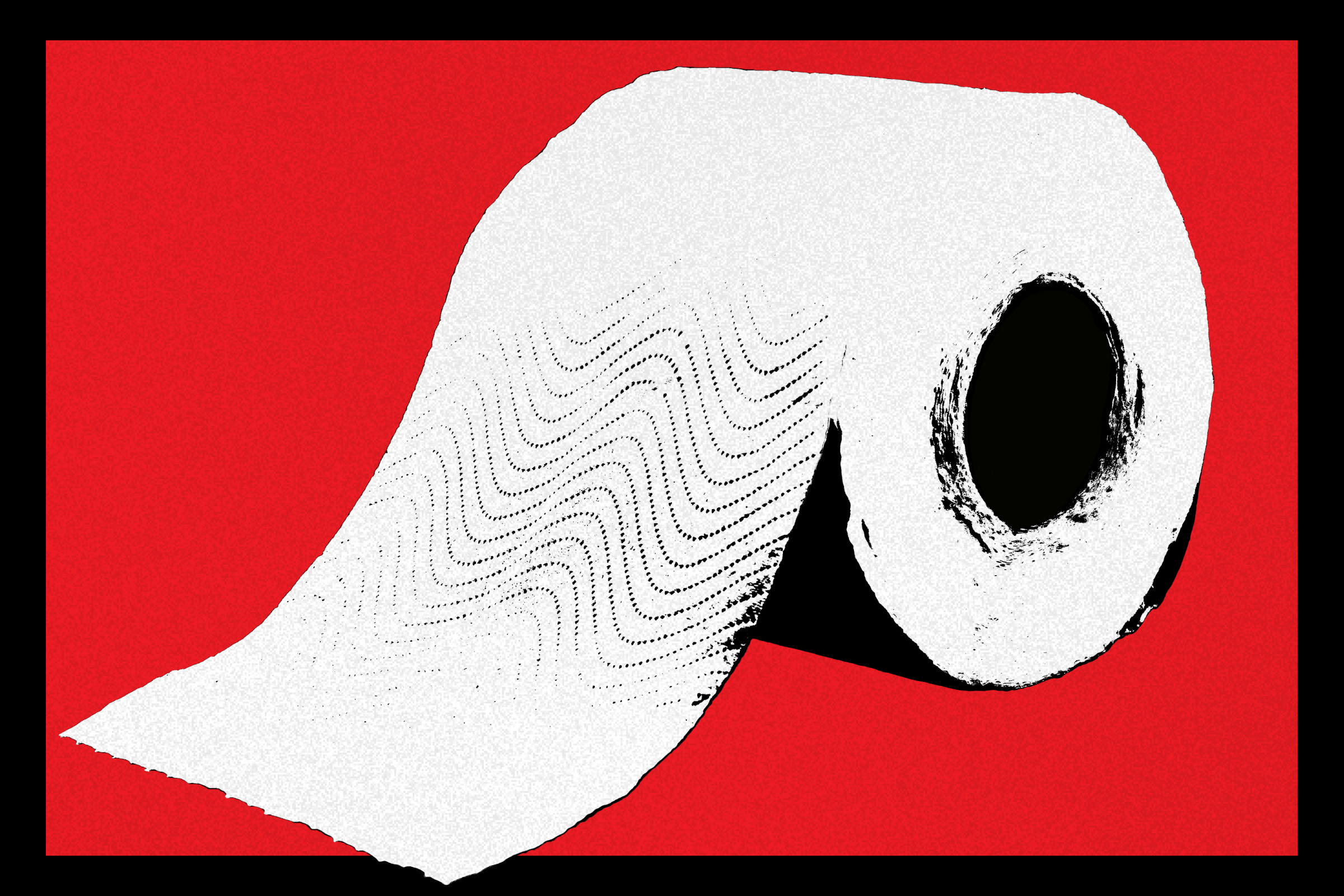
Toilet paper has become a hot topic online. You don’t have to look hard to find videos of health-conscious influencers warning about supposedly harmful ingredients in toilet paper. But how concerned should you be?
Not very, most experts agree. But some also say that TP is worth examining more closely.
Concerning chemicals
Studies have found some concerning chemicals in toilet paper. A 2023 study looking for per- and polyfluoroalkyl substances (PFAS) in toilet paper found them in 21 brands from around the world. Also known as “forever chemicals,” PFAS exposure has been linked to reproductive issues in women, developmental delays in kids, an increased risk of some cancers, and more. A 2019 study in Ghana found “elevated levels” of phthalates, which are endocrine disruptors that may cause developmental and reproductive harm, in toilet paper. That research also found polycyclic aromatic hydrocarbons (PAHs), which are associated with cancer, and semi-volatile chlorinated organic compounds, which have also been connected to cancer and reproductive harm, in toilet paper.
Some research cautions against toilet paper made from recycled paper because it could be made with discarded newspapers or recycled cash-register receipts, which can contaminate the product with BPA, a substance linked to reproductive issues, cardiovascular disease, and more.
There have also been concerns over toilet paper that is bleached, as bleaching can create dioxins, and concerns over toilet paper that includes formaldehyde, a carcinogen.
The ingredients in toilet paper, which manufacturers aren’t required to disclose, are potentially concerning because the skin on the genitalia and anus is thinner and more absorbent than other skin on the body, says Dr. Julia Saylors, an oncologist and integrative medicine physician based in Charleston, South Carolina.
While skin is known to absorb chemicals, including PFAS, genital and anal areas are made of mucosal surfaces, a type of thin, moist, and more sensitive skin that leads to the interior of the body. This skin is more absorbent than the surfaces on our arms and legs, says Saylors.
“It is well known that applying a medication to the vaginal mucosa results in a substantially higher absorption if the same medication is applied to the skin,” Saylors says. “Therefore, any potentially harmful chemical is best to avoid in that area.”
And while Saylors says that toilet paper probably isn’t a person’s highest exposure to toxins—food packaging, cleaning products, and textiles are more significant sources—she says that any changes we can make to reduce toxin exposure are potentially helpful.
Toilet paper does not pose a major risk
How toilet paper interacts with people’s skin in these areas and their overall health is not well studied. But the research that has been done suggests that toilet paper does not pose significant health risks, experts agree.
Dr. Amar Rewari, chief of radiation oncology at Luminis Health in Maryland, notes that PFAS and some other industrial chemicals are under study for possible long-term health effects, “but the levels typically found in consumer products like toilet paper are very small and not clearly linked to cancer.”
“Many of these chemicals, including PFAS, phthalates, BPA, and trace dioxins, can be found in small amounts throughout modern life,” he adds. “The highest exposures usually come from what we eat, drink, or breathe over time, not from brief skin contact with toilet paper.”
While BPA may be found in recycled paper, “the levels of BPA detected are generally low, and the clinical significance of these findings remains uncertain,” he says.
Bleaching, likewise, is not a huge concern, and modern processes don’t pose a significant cancer risk, he says.
“The concerns people sometimes hear about chlorine-bleached paper products largely stem from older manufacturing methods that used elemental chlorine. Today, most toilet paper is produced using elemental chlorine-free (ECF) bleaching, which relies on chlorine dioxide instead of chlorine gas. This process dramatically reduces the formation of dioxins and other potentially harmful byproducts and is widely accepted as the standard in modern paper manufacturing,” Rewari says. “The amount of residual chemicals in finished products is extremely low.”
Dr. Alok A. Khorana, professor of medicine in the department of hematology and medical oncology at Case Western Reserve University, agrees that toilet paper probably isn’t a major cause of exposure to toxins. “Exposure to environmental toxins through toilet paper is likely much smaller than those we’re exposed to in food and water, which has a more direct route into our system,” he says. Still, he says exposure to toxins through toilet paper is "worth investigating further.”
“There are several potentially harmful substances present, such as PFAS, and it's worth understanding whether exposure to these is carcinogenic in any way,” Khorana explains.
He adds that we don’t have many studies yet, likely because concerns over toilet paper are relatively new—plus, Khorana notes it may be difficult for researchers to find people in the U.S. who don’t use toilet paper to compare to those who do. “Studies become challenging to conduct when the candidate risk factor is as prevalent as toilet paper use,” he says.
“I don’t think people need to avoid conventional toilet paper altogether,” Rewari says. “Most people will use conventional toilet paper throughout their lives without any problems.”
Still, he advises patients to choose products with fewer unnecessary additives when possible. “Fragrances, lotions, and dyes don’t improve hygiene, and they may increase the risk of irritation in susceptible individuals. For most people, a simple, unscented, dye-free toilet paper is a reasonable choice.”
An unexpected issue with toilet tissue
Chemicals in toilet paper can present other issues, says Dr. Hannah Kopelman, a dermatologist based in New York City. She says the paper product comes up in her practice more often than one might expect.
“I’ve had patients come in with itching and irritation, which they thought was a yeast infection or eczema flare, only to discover that the culprit was their toilet paper,” Kopelman says. “Most people assume all toilet paper is the same, but the reality is that some formulations can cause problems.”
“When they switch to plain, unbleached, fragrance-free options, the irritation usually clears quickly,” she says.
Dr. Meagan W. Shepherd, an allergist and immunologist based in Barboursville, West Virginia, says people are often surprised to learn how commonly allergens are found in toilet paper, noting that both traditional paper and flushable wipes can cause irritation.
“Wet varieties such as flushable wipes often have preservatives like methylchloroisothiazolinone and methylisothiozolinone, which together account for about 10% of contact allergen sensitizations in North America,” says Shepherd. Dry varieties, on the other hand, are more likely to include added fragrances or dyes, which can act as irritants or allergic triggers, she says.
“I frequently see patients with severe vulvar rashes caused by hidden chemicals,” she adds.
Shepherd also says that if people are struggling to find toilet paper they can tolerate, she recommends skipping recycled paper. “It can be rougher than regular varieties, leading to irritation,” she says. “Plus, trace amounts of various allergens found in the original paper product sources could still be present and potentially cause a reaction in those who are sensitized.”
Shepherd also cautions against recycled toilet paper—as well as anything marketed as “ultra soft.” “While meant to soothe, these products may contain softening agents such as lanolin, as well as fragrances, dyes, preservatives, and adhesives,” she says. “These can be irritating for some people and can cause unpleasant symptoms like itching, redness, and contact dermatitis.”
Kopelman adds that looking for words including “unscented,” “dye-free,” or “chlorine-free” on the packaging is more important than the base material.
“On its own, toilet paper is unlikely to be a major source of chemical exposure,” says Kopelman. “But for those with sensitive skin, choosing products without unnecessary chemicals in toilet paper is a simple way to avoid skin irritation.”

 点赞
点赞 收藏
收藏 点踩
点踩 分享
分享