The Summertime Temperature Differences of a Black Car vs. a White Car

We all know that when it's hot and sunny out, white clothing keeps you cooler than black clothing. Lighter colors reflect the sun's heat while darker colors absorb it.
How does this difference play out in car colors? Researchers at Berkeley Lab's Environmental Energy Technologies Division did a study to find out. On a sunny summer day in Sacramento, they parked two Honda Civics, one black and one silver, in a parking lot. Over the course of the day, they measured the temperatures of the exterior and interior surfaces, as well as the cabin air temperature.
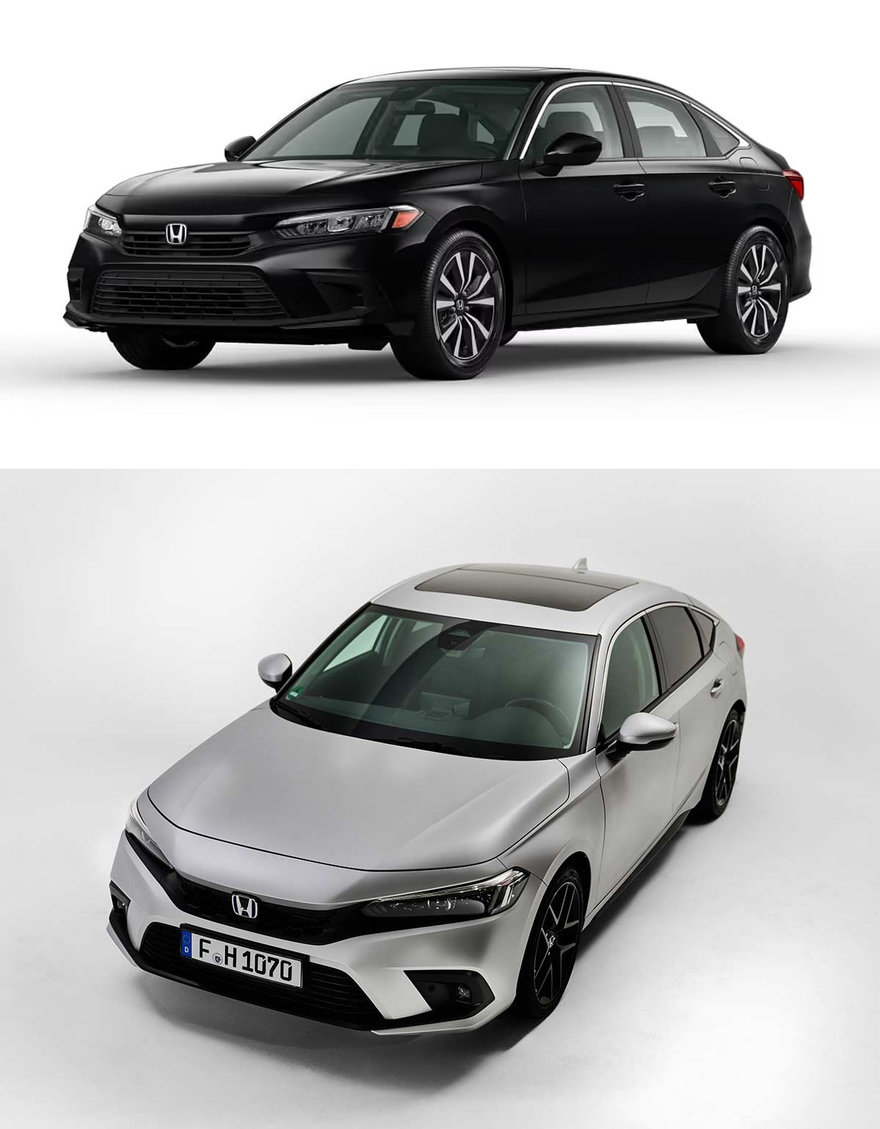
They found that the black car reflected just 5% of sunlight, while the silver car reflected roughly 58%. This meant that the roof on the black car was up to 45° (25° C) hotter than the roof of the silver car.
That temperature differential extended to the interior, though not as starkly. The temperature of the interior cabin air, measured at the rough location of the driver's head, was about 10° (5.5° C) hotter in the black car.
They then ran the air conditioners, measuring the energy draw required to get the cabin temperature down to 77°. As you'd expect, it took more energy to cool the black car's interior. However, the energy cost was actually pretty modest: The silver car saved just 2% of fuel versus the black car. In other words, if both cars were driving around at the same speeds with the air conditioners set to the same temperature, the black car would consume 10 gallons for every 9.8 gallons of the silver car.
In other words, if you live in a sunny clime and are choosing between a darker and lighter car color, you're looking at no more than a 2% fuel savings. However, if you're a fleet operator, that adds up. That's why, if you look at fleet vehicles—cop cars, utility companies, contractors--in the American south or southwest, their vehicles are typically white.
Image: Robert Lafond, CC BY-SA 2.0
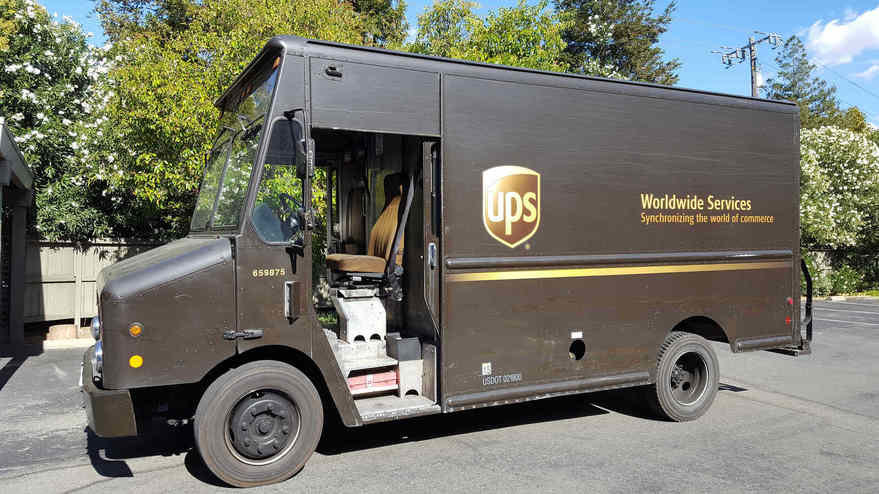
UPS is a standout, for branding reasons; they started painting their vehicles brown in the early 20th century, before cars even had air conditioning, when the main concern was hiding dirt. So they're paying that 2% price.

 点赞
点赞 收藏
收藏 点踩
点踩 分享
分享