A Third Hidden Driver of High Blood Pressure Has Been Discovered – And a Potential Fix

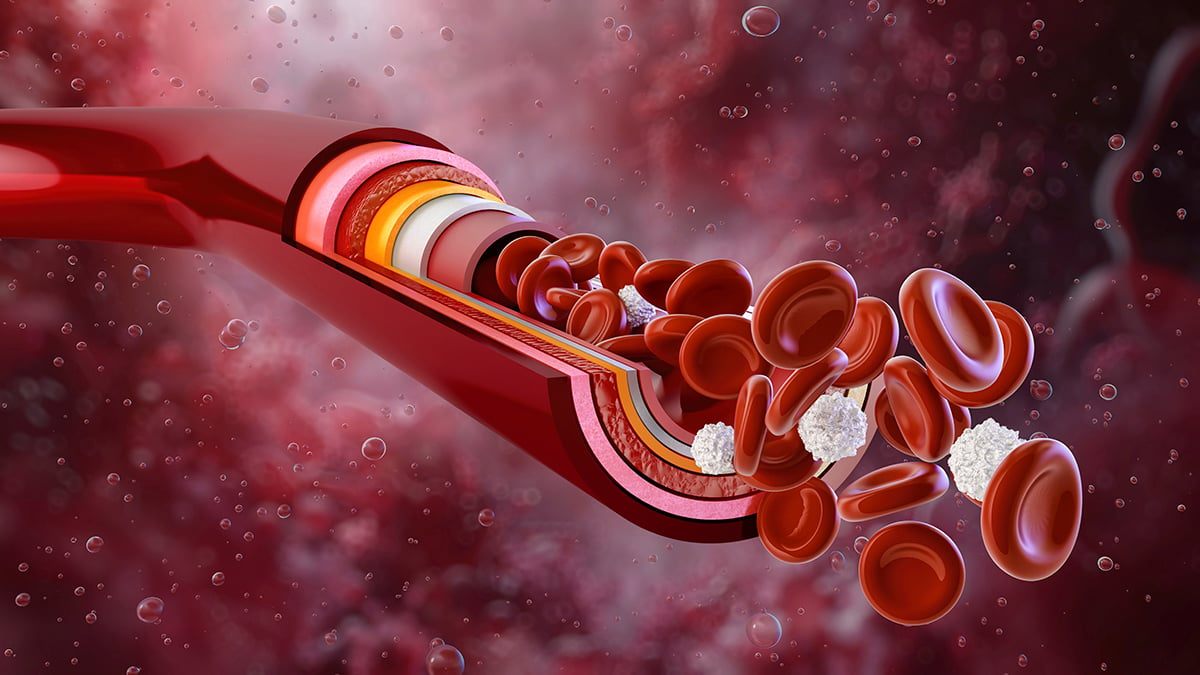
There are two well-known drivers of high blood pressure, and scientists may have discovered a third, opening the door to new ways of treating the condition, also known as hypertension.
When it comes to high blood pressure, doctors usually concentrate on: the sympathetic nervous system (SNS), which controls our 'fight or flight' response; and the renin-angiotensin-aldosterone system (RAAS) hormones that regulate blood volume and flow.
Something else might be involved too, according to new research published in Communications Biology: biological mechanisms called inflammation-resolution pathways, which tell the body's immune system when to stand down.
While the immune system and blood pressure are already known to be linked, what scientists from institutions in Australia and Singapore have discovered here is that inflammation-resolution pathways may be more important than previously thought when it comes to hypertension.
Not only that, but the team found that an experimental drug called compound 17b was effective in lowering blood pressure, and even repairing damage done to blood vessels and organs by chronic inflammation, in mouse models.
"This study provides an opportunity to advance understanding of neuro‑immune interactions in hypertension and to inform the development of therapeutic approaches that target both inflammatory and neural pathways in cardiovascular disease," write the researchers in their published paper.
Chronic inflammation happens when the body's immune system goes into overdrive and stays in attack mode permanently, which ultimately harms our bodies rather than healing them. It's linked to both the SNS and RAAS systems too.
Anti-inflammatory drugs try and suppress the immune system rather broadly, and can suppress it too much – as well as raising blood pressure along the way.
Compound 17b is much more precise. Instead of suppressing the immune system, it 'wakes up' the natural inflammation-resolution pathways that should be stopping the immune system from overreacting in the first place.
Having previously been shown to protect the heart from damage, in experiments on mice the drug was used to target formylpeptide receptors (FPRs) – essentially toggle switches on immune and tissue cells that tell the immune system that its job is done.
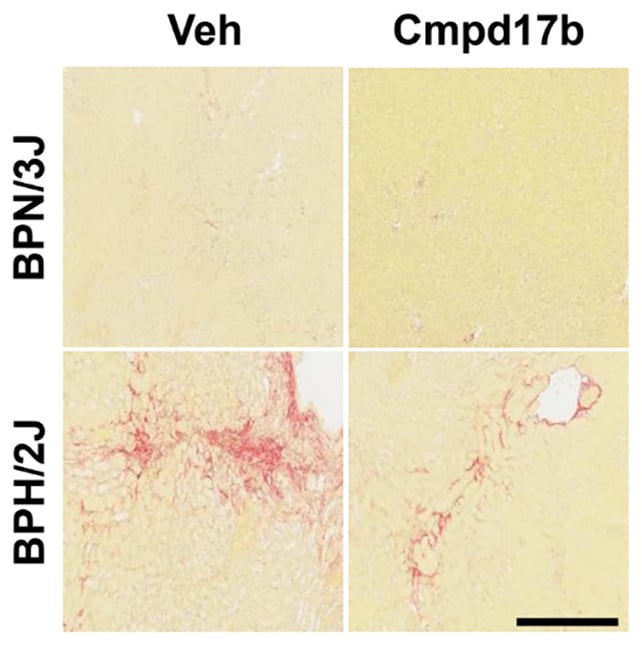
The researchers found that as well as a modest drop in blood pressure in mice with hypertension, compound 17b also reduced the stiffness of the main aorta artery, and reduced dangerous scar tissue build-up (fibrosis) across the heart and kidneys.
"These findings identify FPR agonism as a promising therapeutic strategy for lowering blood pressure and reversing renovascular fibrosis," write the researchers.
Typically, blood pressure medication aims to bring the key numbers down – those figures you'll see on a blood pressure monitor – in order to keep the body's organs protected and to reduce the risk of heart attacks and strokes.

What this drug seems to do is tackle the organ damage directly, which means it could have broader applications beyond just the symptoms that come along with hypertension.
"These protective effects occurred alongside only moderate reductions in blood pressure, further supporting the notion that the beneficial actions of compound 17b extend beyond anti-hypertensive effects," write the researchers.
Clearly these experiments have only been carried out in mice so far, so further work is needed to see if the same effects might appear in humans – but there's definitely a lot of potential in the drug, and the approach it takes.
While the researchers aren't suggesting compound 17b could one day act as a direct replacement for existing blood pressure medications, they do suggest it could be an alternative for patients who can't take existing drugs, or as a complementary drug that helps to heal inflammation and scarring.
And the chronic inflammation-resolution pathway is worth further investigation too, suggesting that targeting the way that inflammation is effectively 'switched off' could be as helpful as targeting the inflammation itself.
Related: Just 5 Extra Minutes of Exercise a Day Can Lower Blood Pressure, Study Shows
"Collectively, these findings indicate that [compound 17b] exerts broad cardiorenal and vascular protective effects that are not solely attributable to blood pressure lowering per se, but likely involve direct anti-inflammatory and tissue-reparative mechanisms across the cardiovascular-renal axis," write the researchers.
The research has been published in Communications Biology.

 点赞
点赞 收藏
收藏 点踩
点踩 分享
分享