China planted 78 billion new trees but it came with an unexpected side effect
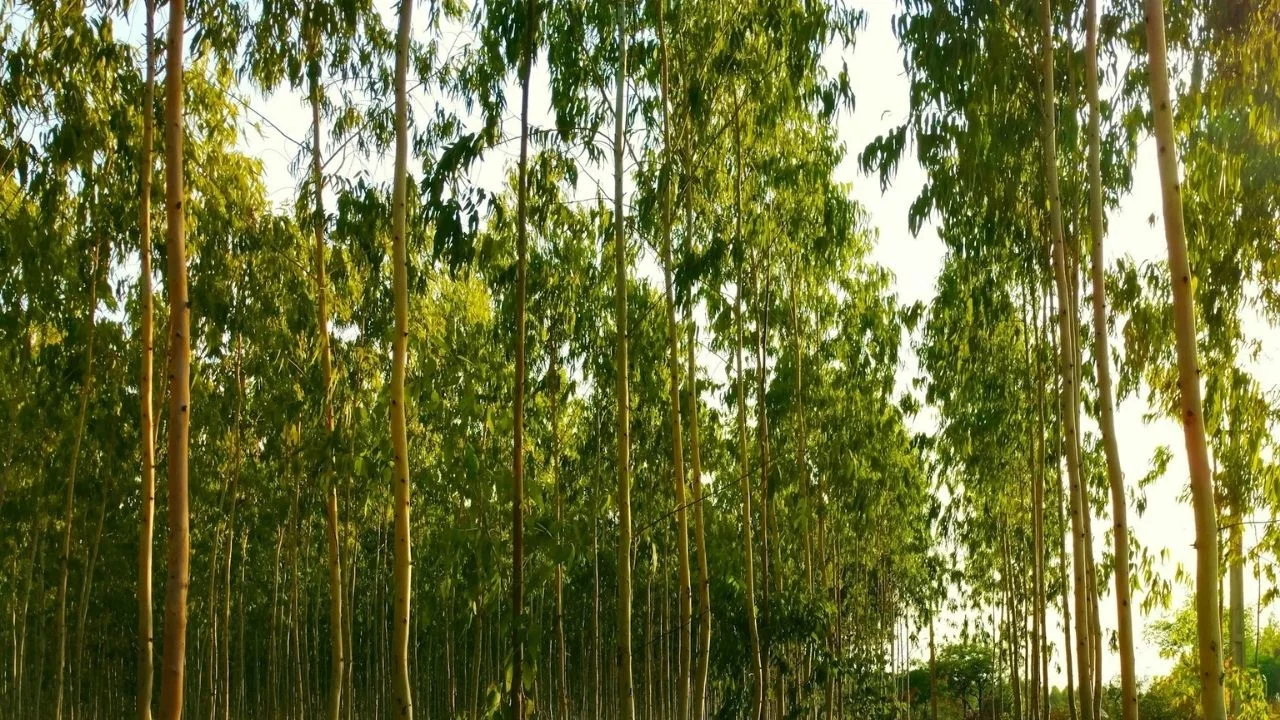
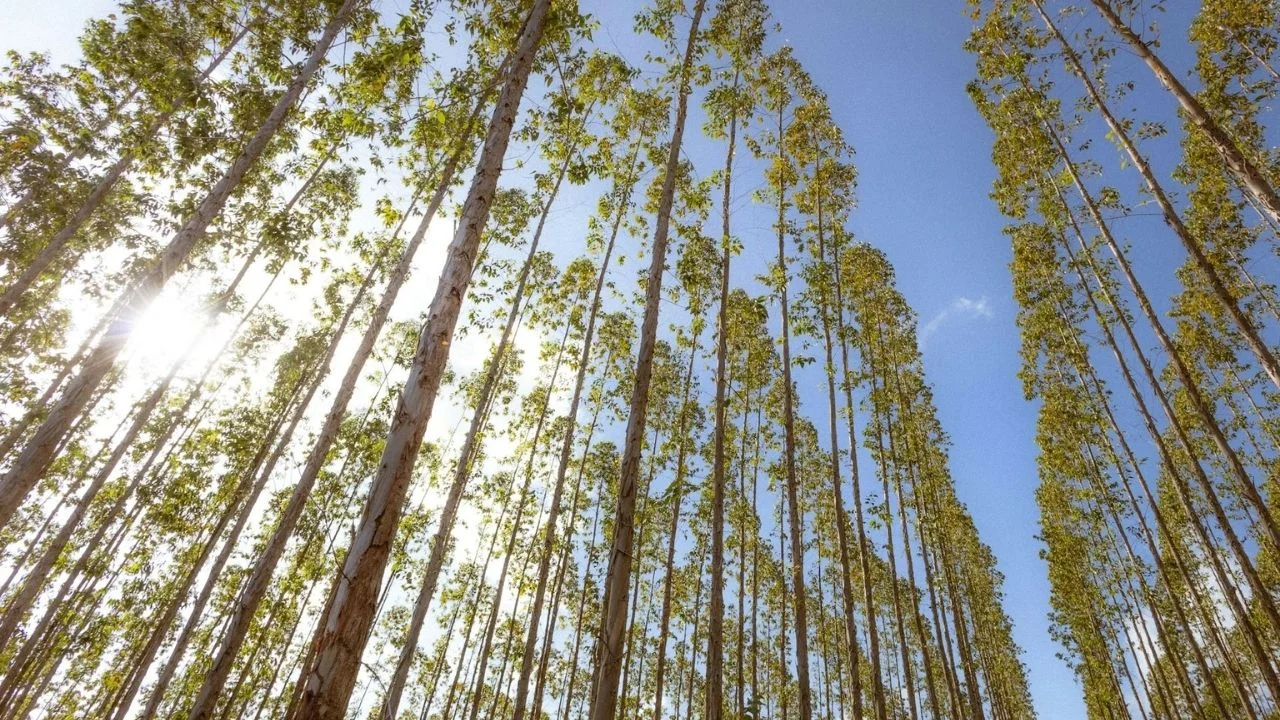
China has spent decades using one of the simplest tools in nature to tackle one of its biggest environmental problems: trees – around 78 billion of them.
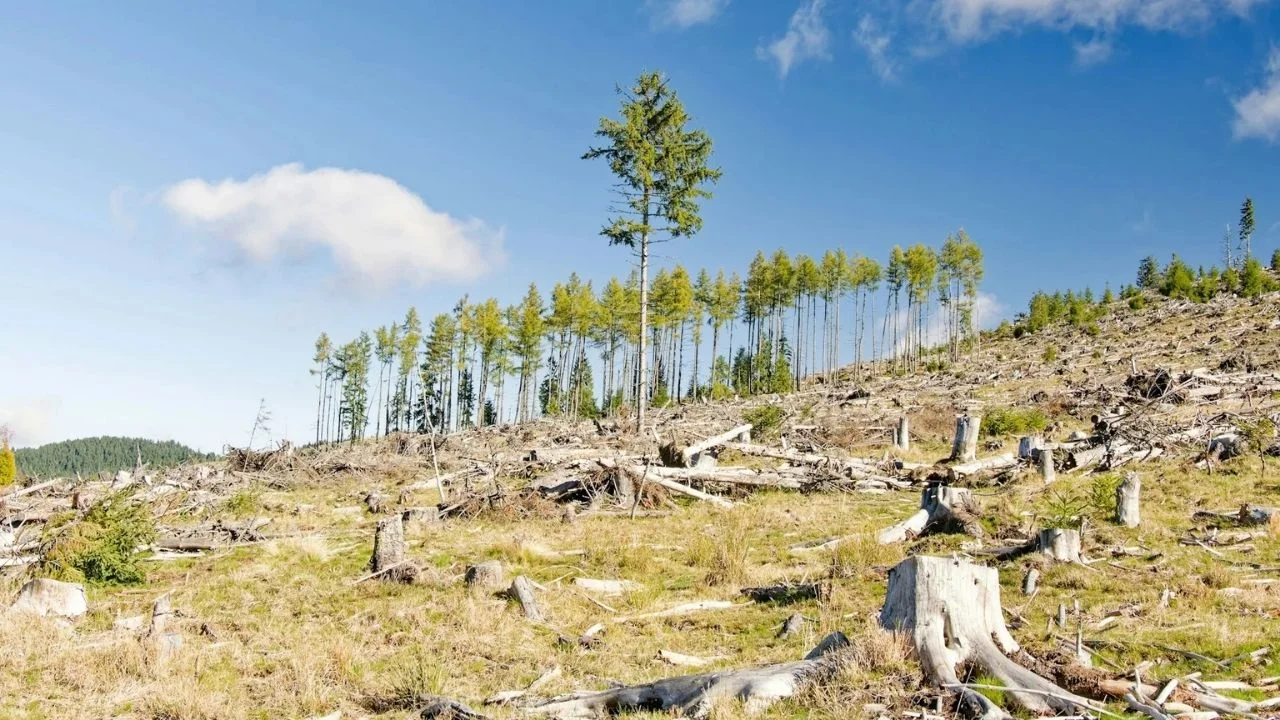
The country planted them as part of a massive effort to fight desertification, reduce soil erosion and transform huge areas of degraded land.
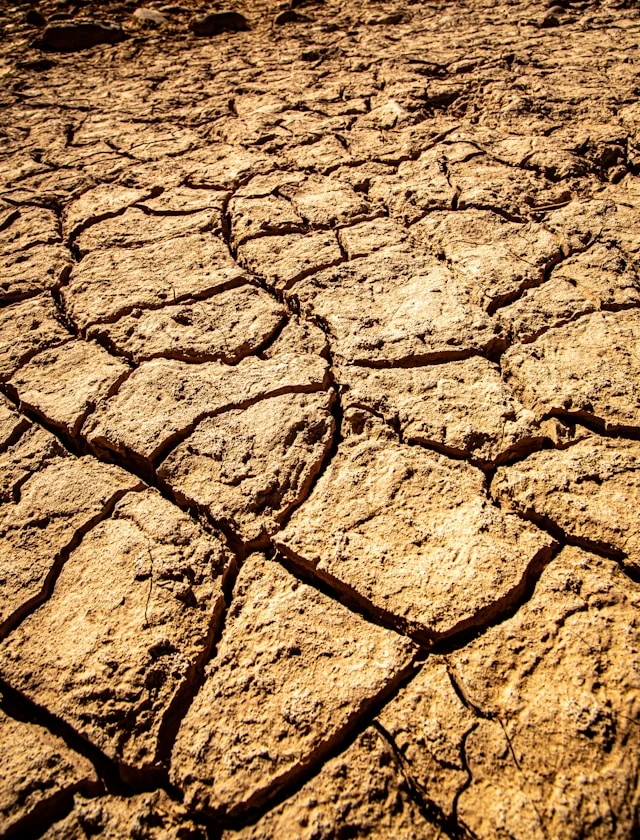
But scientists using climate models, satellite data, and hydrological research have discovered that changing the landscape on this scale has also changed something much bigger – the way water moves across China.
And it is a fascinating example of how environmental engineering can have consequences that are almost impossible to predict.
China used billions of trees as a giant environmental engineering project
China’s enormous futuristic reforestation campaign began in the late 1970s, most famously with the Three-North Shelterbelt, nicknamed the Great Green Wall.
The idea was relatively straightforward: plant enough trees to slow desertification, hold soil in place and reduce the huge dust storms that were affecting northern China.
Over the following decades, the country launched several other major ecological projects, including the Grain for Green Program and the Natural Forest Protection Program.
The scale was extraordinary because by 2024, China had planted around 78 billion trees and expanded its forest coverage from roughly 10 percent in 1949 to about 25 percent.

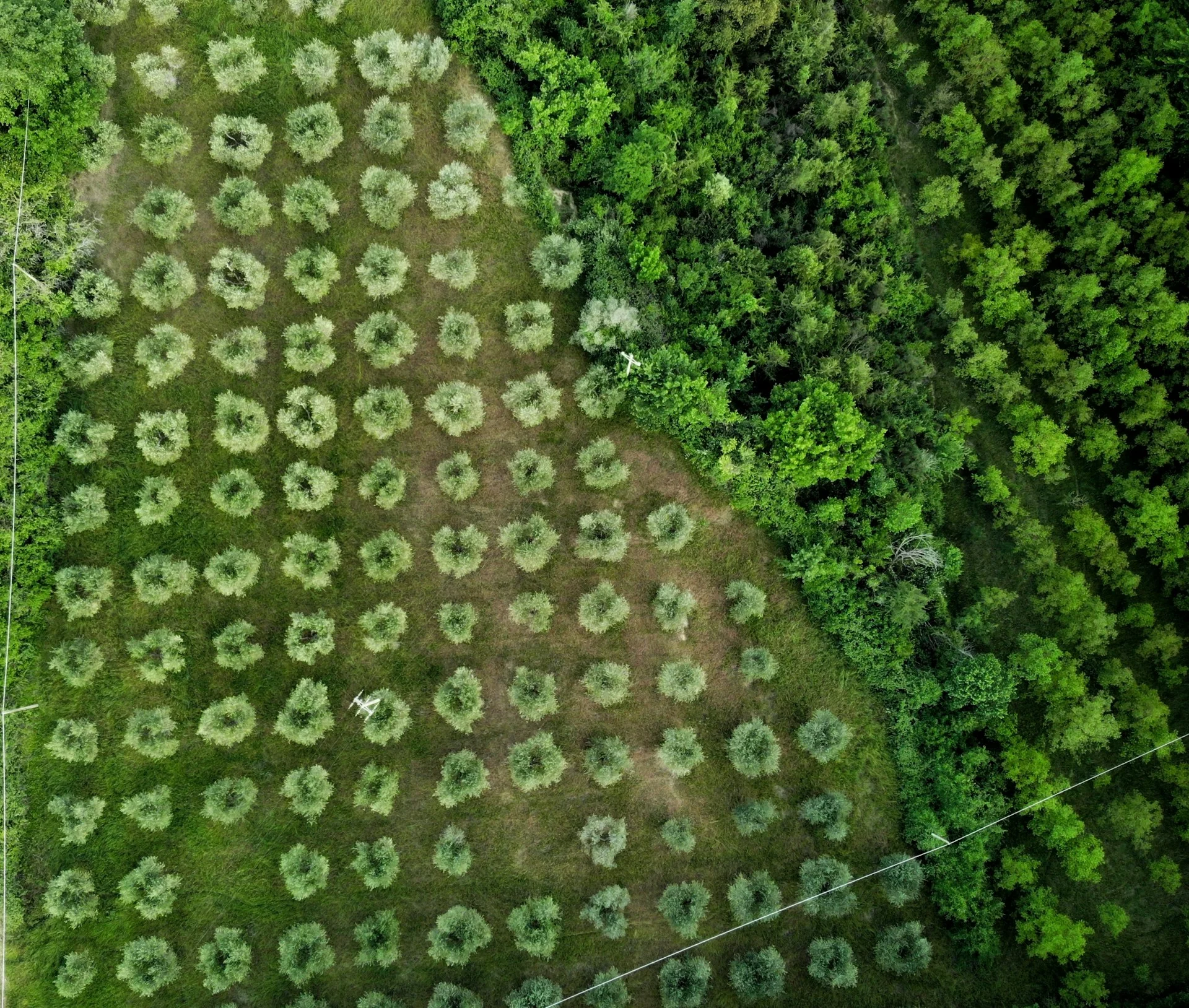
It was essentially a gigantic experiment in environmental engineering, with humans deliberately changing the landscape across an area of roughly 116,000 square miles.
And, just like any enormous engineering project, there were consequences beyond the original brief because trees don’t simply absorb carbon dioxide and sit there.
They also interact with the atmosphere and water cycle through evapotranspiration, a process combining water evaporating from the land with plants releasing water vapor through their leaves.

Researchers from Tianjin University, China Agricultural University and Utrecht University studied how China’s dramatic land-cover changes affected water movement between 2001 and 2020.
Their research found that the increased vegetation altered evapotranspiration and precipitation patterns, effectively changing where water was available across the country.
That meant the environmental engineering project had started influencing an entirely different system.
China often comes up with solutions to problems you’ve never even considered, like walking this school across a city on robot legs.

The unexpected side effect
The research found that some regions, particularly eastern and northwestern China, experienced reduced water availability as moisture was redistributed toward the Tibetan Plateau.
That is particularly significant because northern China already has a serious mismatch between where its people and farmland are located and where its water is.
Around 46 percent of China’s population and more than half of its farmable land are in the North, while the region has only around 20 percent of the country’s water resources.
The trees weren’t making water disappear; instead, they were changing how water moved through the environment.

More vegetation meant more water was being pulled from the ground and released into the atmosphere.
Some of that moisture then fell as rain elsewhere, creating a complicated chain reaction across different regions, and this is where the story gets particularly interesting for the future of environmental technology.
Scientists are increasingly using satellite observations, climate models and sophisticated hydrological simulations to understand what happens when humans deliberately reshape enormous ecosystems.
A 2026 study found that large-scale forestation in China had contributed to declining river flows in some major basins, particularly during the growing season, although climate change remained the dominant factor behind water-supply declines.
Another 2026 study found that the hydrological effects of reforestation could change dramatically depending on how much the planet warms.

In other words, there may not be a simple technological solution where you just plant billions of trees and walk away.
Future reforestation projects could need to be designed almost like huge pieces of infrastructure, with scientists considering water availability, climate conditions, tree species, groundwater, and even where atmospheric water will eventually travel.
China’s enormous greening campaign has delivered major benefits, including reducing desertification and soil erosion.
But its unintended effect on the water cycle is a reminder that once humans start engineering nature at this kind of scale, the technology doesn’t stop at the thing we deliberately built.
Sometimes, the biggest changes happen somewhere else entirely.