Design is everywhere, you just need the eyes for it

A kitchen shelf, a steel dabba, and the design lesson I almost missed
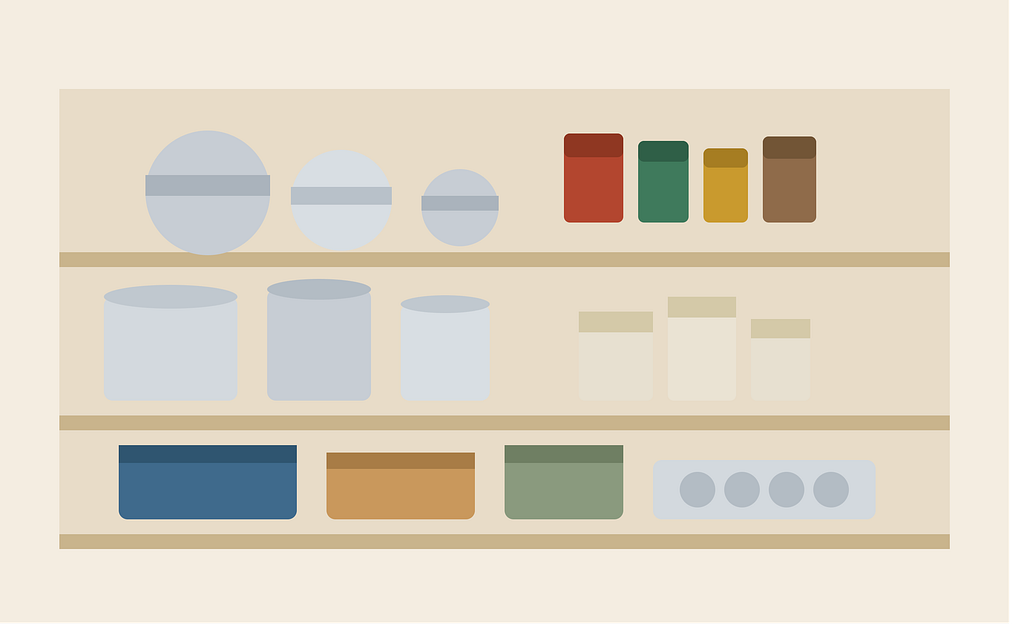
Last week I was reorganizing my kitchen shelf. Nothing dramatic, just moving the atta and the sugar dabba around so they’d fit better. And somewhere between shifting a steel container to the back and pulling the daily-use spices to the front, it hit me. I wasn’t just tidying. I was doing an information hierarchy exercise. Frequency of use, reach distance, visual grouping, all the things I’d normally sketch out in a wireframe, except the medium was a shelf and the user was my own hand at 7 AM, half awake, reaching for the tea without looking.
That’s when I realized something I keep forgetting. Design doesn’t live only in Figma files and design systems. It lives in the way my mother arranges the same shelf without ever calling it “information architecture.” It lives in the queue system a kirana store owner improvises with a single steel token box. It’s just that most of us walk past it every single day without clocking it as design at all.
A pattern I’ve been noticing
I’ve seen a few Indian UX designers post about this exact feeling on LinkedIn lately, that moment of getting inspired by something completely ordinary around them and realizing it’s design thinking in disguise. Someone spots it in how their grandmother organizes a steel tiffin. Someone else spots it in how a bus conductor manages change and tickets with zero training in “workflow optimization.” The common thread isn’t the object, it’s the eye. Once you’re trained to notice friction, hierarchy, and shortcuts, you start seeing them everywhere, whether or not you’re being paid to look.
Why this isn’t just a nice feeling
It would be easy to leave this as a wholesome observation and move on. But I think there’s something more useful buried in here for practitioners.
Noticing design in unlabeled places is a skill, not a coincidence. It’s the same muscle you use when you’re doing a heuristic evaluation, except you’re doing it on your own kitchen instead of someone’s product. My shelf reorganization wasn’t a eureka moment about my kitchen. It was proof that the observational habits I’ve built through years of UX work don’t switch off just because I’ve left my laptop. They come with me to the kitchen, the train station, the neighbor’s balcony garden.
That’s also, I think, why so many of us have started posting about it. It’s not really about the kitchen shelf or the tiffin box. It’s about practicing the discipline of looking closely at ordinary things, the same discipline research demands of us, just without a study protocol attached.
The quiet takeaway
You don’t need a client brief to practice UX thinking. You don’t need access to Figma or a seat in a sprint planning meeting. You need attention. The kind that notices why your shelf works the way it does, why the conductor never fumbles the change, why your neighbor’s jugaad fix for a wobbly gate has survived three monsoons.
Design is everywhere. Most people just haven’t been asked to look at their own life that way. Once you do, you can’t really stop.
Design is everywhere, you just need the eyes for it was originally published in Bootcamp on Medium, where people are continuing the conversation by highlighting and responding to this story.

 点赞
点赞 收藏
收藏 点踩
点踩 分享
分享