Scraped Without Asking: Indigenous Archives and the Limits of AI Law

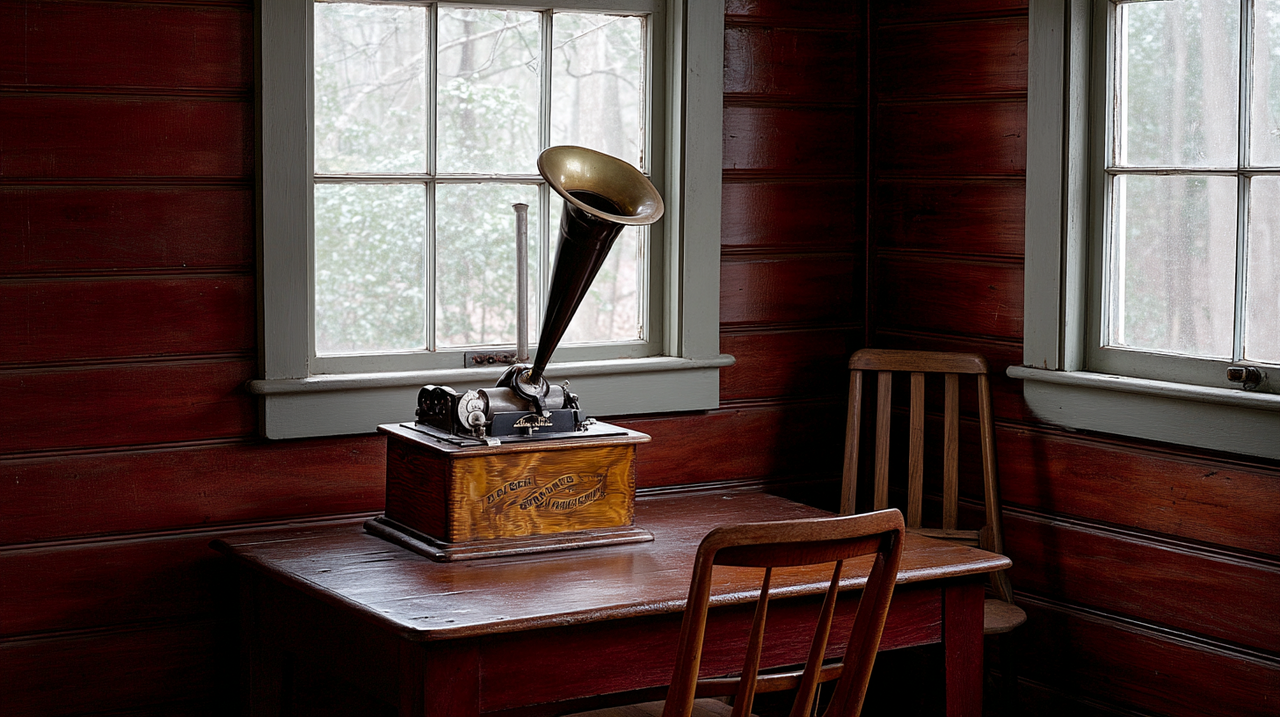

In March 1890, an anthropologist named Jesse Walter Fewkes carried a wax-cylinder phonograph to Calais, Maine, and over three days recorded thirty-six cylinders of Passamaquoddy songs, creation stories, vocabulary and legend. The voices belonged mostly to two men, Peter Selmore and Newell Josephs. Fewkes was experimenting; he wanted to know whether the new machine could capture human speech in the field. The result is now understood to be the oldest surviving ethnographic field recording anywhere in the world. For more than a century those cylinders sat in institutional custody, first at the Peabody Museum of Archaeology and Ethnology at Harvard University and then, from 1970, inside the American Folklife Center at the Library of Congress, catalogued, preserved, and effectively unreachable by the community whose ancestors had sung into the horn. Of the original thirty-six, only twenty-six remain playable.
Nobody in 1890 asked Peter Selmore whether his voice could be digitised, indexed, transcribed by an algorithm, or fed into a statistical model that might one day predict the next word in a Passamaquoddy sentence. The question would have been unintelligible. The technologies that make it urgent did not exist, and the legal framework that might have answered it did not exist either. That gap between how the material was gathered and what can now be done with it is the precise location of a fight that reached the United Nations in the summer of 2026.
At the nineteenth session of the Expert Mechanism on the Rights of Indigenous Peoples, held at the Palais des Nations in Geneva from 13 to 17 July 2026 with a dedicated panel on artificial intelligence and the rights of Indigenous Peoples on its agenda, Indigenous advocates from several countries pressed a demand that a decade ago would have sounded speculative. They argued that artificial-intelligence systems are now being trained on, and deployed against, the vast holdings of Indigenous cultural material sitting in…

 点赞
点赞 收藏
收藏 点踩
点踩 分享
分享