Is Nvidia's CUDA Moat Cracking? This Could Be AMD's Moment
Hello,
A transcript of a four-hour recording from DeepSeek founder Liang Wenfeng’s(梁文鋒) first fundraising meeting in May, held as the company prepared for a future IPO, has been leaked.
Bloomberg reported a few days ago that Liang was so angered by the leak that he suspended the second round of fundraising. To me, that effectively confirms the authenticity of the leaked conversation.
The remarkably candid private remarks from arguably the most important figure in China’s AI industry today contain a wealth of valuable information. Here are a few highlights.
First, in remarks made two months ago, Liang had already signaled that China’s AI industry would unleash a new wave of price competition, effectively predicting the “Moonshot AI” shockwave that continues to ripple through the market today.
He said the next challenge facing U.S. AI would come from China. “Because Chinese companies are willing to operate on thinner margins and still provide the service.”
“Chinese companies will make the product as cheap as possible. In terms of performance, many products made in China today are already not that different from those made in the United States. AI may end up following the same pattern. But Chinese AI will be cheaper. And that lower price could be systemic, just as Chinese products and services in many other industries are systematically cheaper.”
Second, U.S. efforts to contain China’s AI industry have been effective to a considerable extent. Even today, China’s leading AI companies—including DeepSeek—still rely primarily on Nvidia GPUs to train their models (presumably acquired through smuggling).
“What’s the gap between us and the United States? Actually, there’s only one thing: resources.”
“We don’t have that many GPUs. Right now we have compute equivalent to roughly 20,000 Nvidia H-series GPUs. This year we’re expanding our compute capacity very aggressively. Over the next few months, we’ll be buying a large number of additional machines, and they’re basically all Nvidia.”
Third, Huawei’s most advanced Ascend 950 delivers only one-quarter the computing performance of Nvidia’s latest products.
“Anything the GB300 can do, Huawei’s Supernode can also do. Latency and everything else are the same. The only trade-off is that it takes four Huawei GPUs to match one Nvidia GPU, while also lagging by two years. In other words, Huawei’s Ascend 950 Supernode, shipping in Q3 or Q4 this year, is comparable to Nvidia’s GB200 from Q3 two years ago. That’s a two-year gap. By Q3 this year Nvidia may already have another new generation. So our gap with the United States in chips is fourfold performance plus a two-year technology gap.”
Fourth—and in my view the point with the greatest industry significance—Liang believes AI is dismantling Nvidia’s CUDA moat.
“Domestic AI chips now have a historic opportunity. Previously, the biggest challenge for domestic chips was software ecosystem compatibility. You could buy the chips, but you couldn’t really use them because they lacked Nvidia’s ecosystem. Nvidia’s moat was therefore extremely strong.”
“But that’s changing. CUDA’s moat is being dismantled rapidly. Now that we have AI, building that ecosystem is much easier than before, because AI can write code. I can use AI to build the ecosystem and recreate one that’s essentially identical to Nvidia’s.”
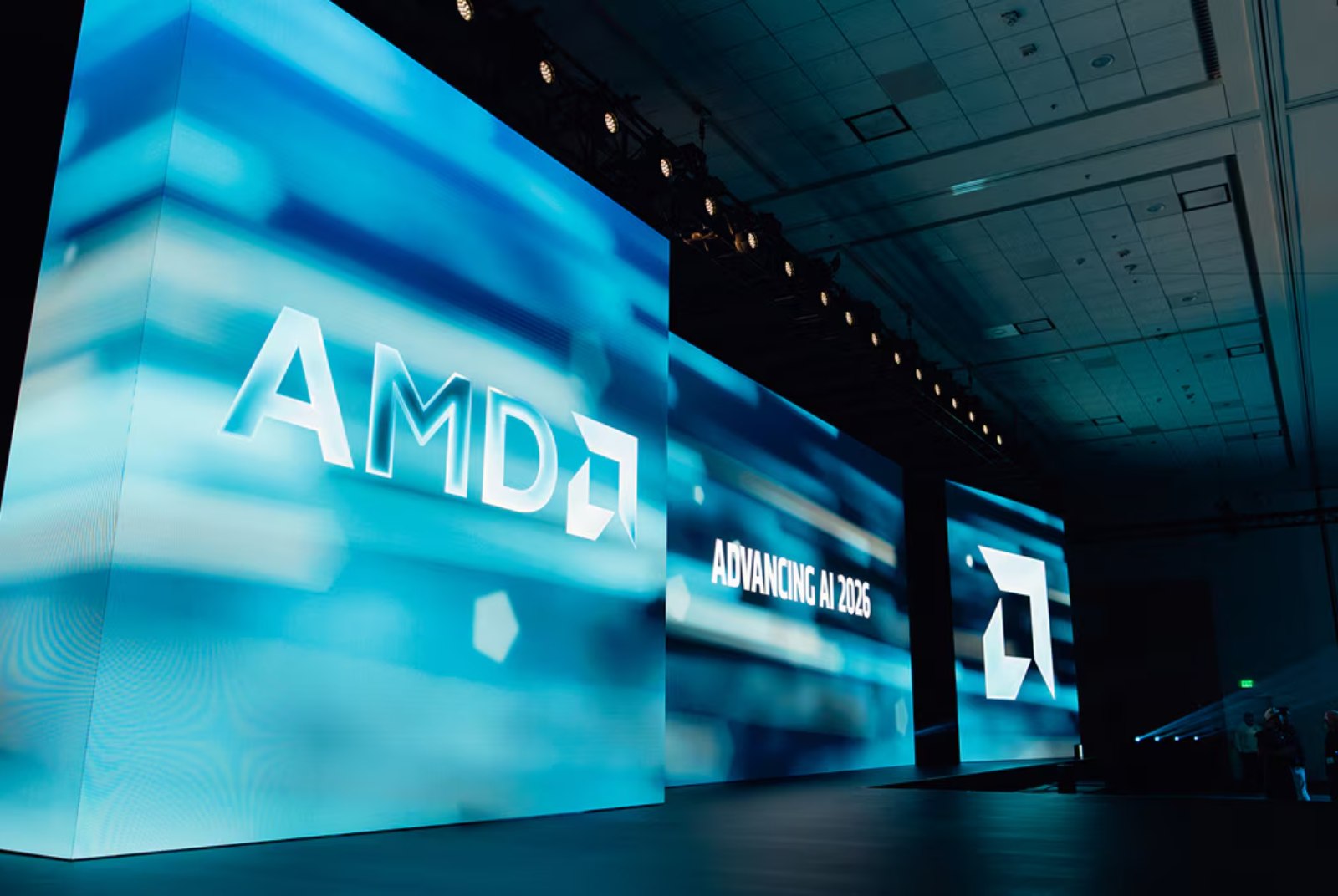
Interestingly, at AMD’s annual conference last week, an Anthropic co-founder independently made essentially the same observation on stage.
If CUDA is no longer a meaningful barrier, has the moment finally arrived for Taiwan-born Lisa Su’s AMD to launch a real counteroffensive against Nvidia? And which Taiwanese companies stand to benefit?
Read on in this week’s newsletter.

 点赞
点赞 收藏
收藏 点踩
点踩 分享
分享