Coral reefs are tougher than we thought

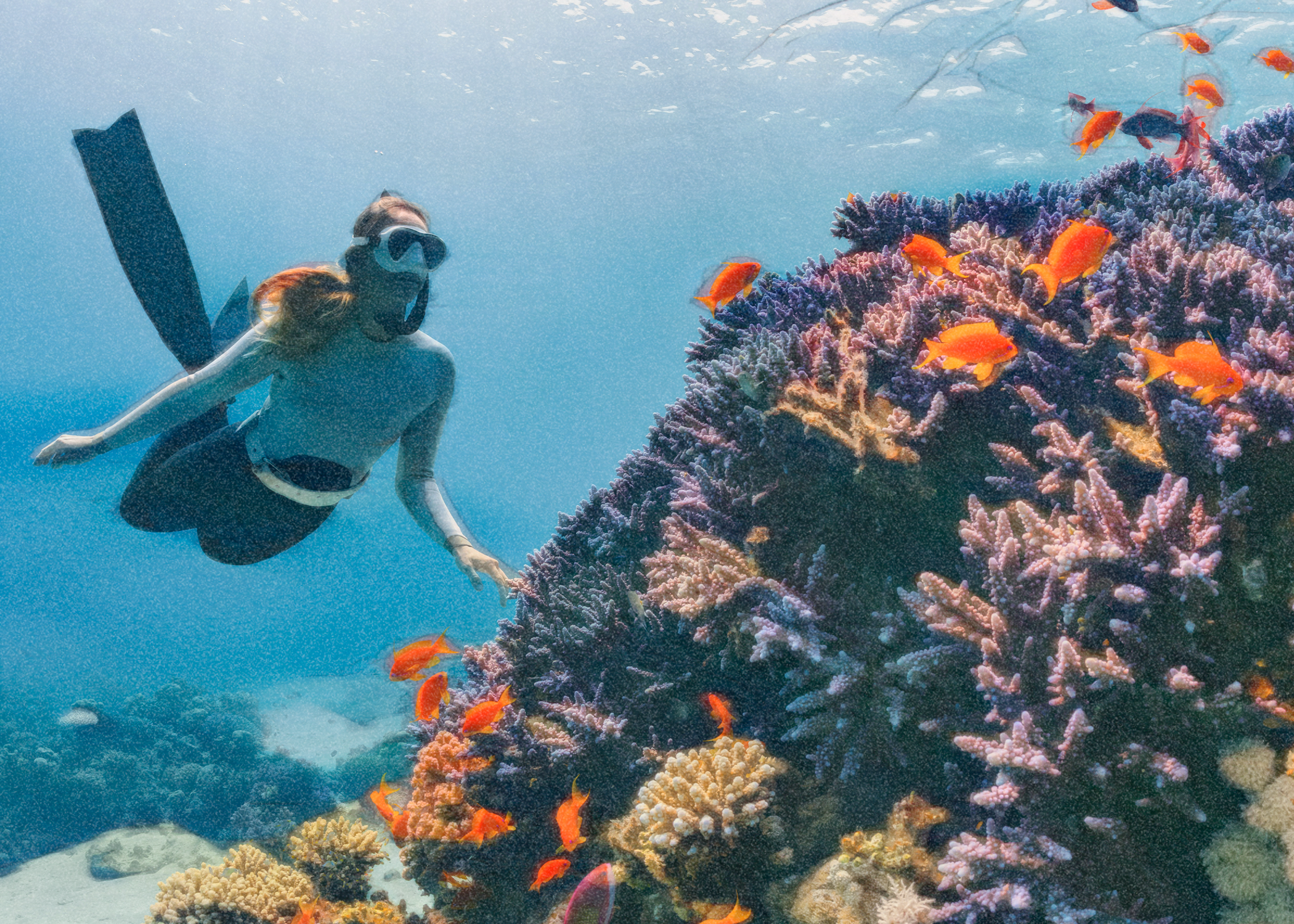
Coral reefs are small but mighty: covering less than 1% of the ocean floor, they support a quarter of all marine species. Up to 1 billion people also depend on reefs for food, storm protection – their structures reduce wave energy by up to 97% – and even medicine, with coral compounds used in treatments for cancer and arthritis. This year, we got good news about them: there are three times more coral reefs tough enough to survive a high-emissions climate crisis scenario for 2050 than a landmark 2018 effort found. Scientists from Macquarie University in Sydney and the Wildlife Conservation Society in New York looked at 165,922 km² worth of ocean floor across 71 countries, and found that reefs are more climate-resilient than we thought. The territory covered in the study includes reefs in seven British, six Dutch, and 13 French overseas territories. You may not expect it, but over 20% of the world’s warm-water coral reefs are European, all located in the EU’s overseas territories and outermost regions. An estimated 33% of EU overseas entities’ waters have protected status – see the map below. So why are these reefs more resilient than we thought? Not all reefs respond to climate change in the same way, explains Stacy Jupiter, co-author of the paper and executive director of the Wildlife Conservation Society’s Global Marine Program. Some sit in natural cool pockets that shelter them from extreme heat, some simply resist bleaching and stress better, and others bounce back faster after damage. That resilience doesn’t erase the damage already done. We’ve already lost over half of all coral reefs since the 1950s due to the climate crisis and other human activity. Between 2023 and 2025, the most severe global coral bleaching event ever was recorded, with 84% of global coral reefs affected due to heat stress. Yet fewer than 28% of these newly identified climate-resilient reefs are located within protected or conserved areas, according to the study. Climate change remains…

 点赞
点赞 收藏
收藏 点踩
点踩 分享
分享