The best medicine may be free


The best medicine may be free
Forest therapy guide explains what a daily dose of nature does for the body
Rebecca Coleman
Harvard Staff Writer
July 28, 2026
6 min read
Susan Abookire.
Photos by Stephanie Mitchell/Harvard Staff Photographer; Illustrations by Liz Zonarich/Harvard Staff
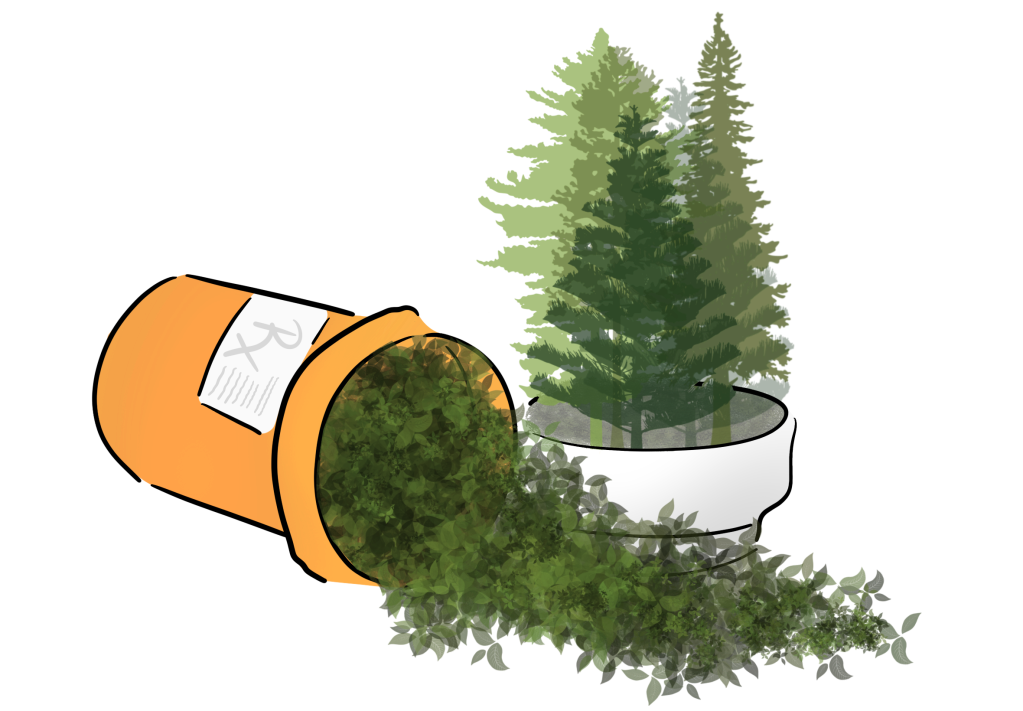
If you’ve ever taken a walk outside on a hard day to shed stress, you may be onto something. A growing body of scientific evidence confirms what many of us know innately — spending time in nature is good for us.
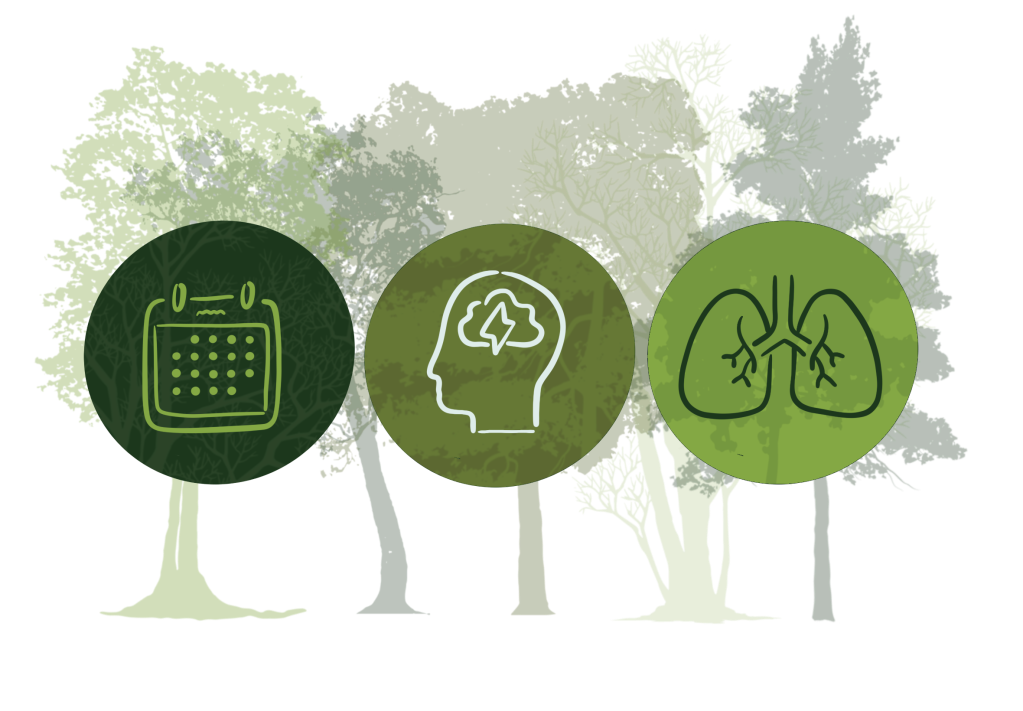
It not only lowers stress and depression, it strengthens immunity, boosts cognitive performance, promotes better sleep, fights inflammation, and helps the lungs and heart, research suggests.
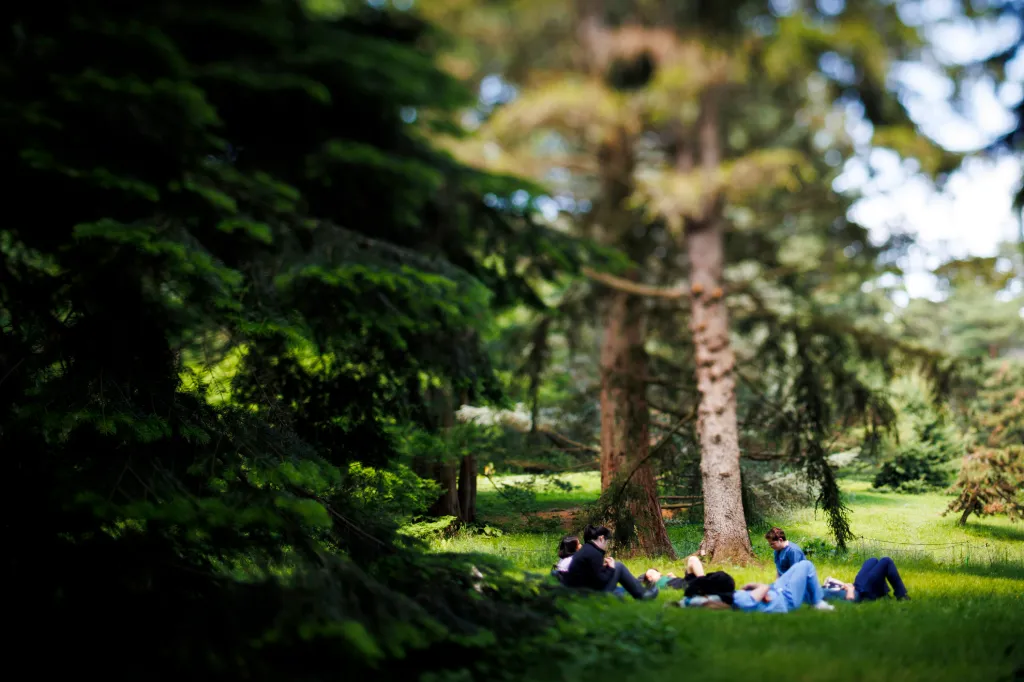
That’s why Susan Abookire, a Harvard Medical School assistant professor of medicine at Brigham and Women’s Hospital, guides monthly forest therapy walks for medical residents and faculty — a group at high risk of burnout. Her two-hour sessions in the Arnold Arboretum, though just a few miles from the Longwood Medical Area, seek to melt away the stressful hospital environment by immersing participants in nature using techniques from the Japanese practice of shinrin-yoku, or “forest bathing.”
Forest therapy guides help you “really slow down” into deep awareness of your senses through nature, said Abookire. For those trying it without a guide, she advises tuning in to your surroundings — notice colors, shapes, sounds, movement, scents. Also, avoid distractions. That means taking out your earbuds and turning off your phone. You can reap benefits spending as little as 20 mindful minutes in nature three times a week, research suggests, but “the more the better,” said Abookire.
Another consideration: Higher tree density seems to deliver a more potent dose of nature’s medicine.
That’s because trees release essential wood oils called phytoncides that studies show boost immunity when inhaled. Natural killer cells — the body’s first…

 点赞
点赞 收藏
收藏 点踩
点踩 分享
分享