How AI may change public policy, how we lead

How AI may change public policy, how we lead
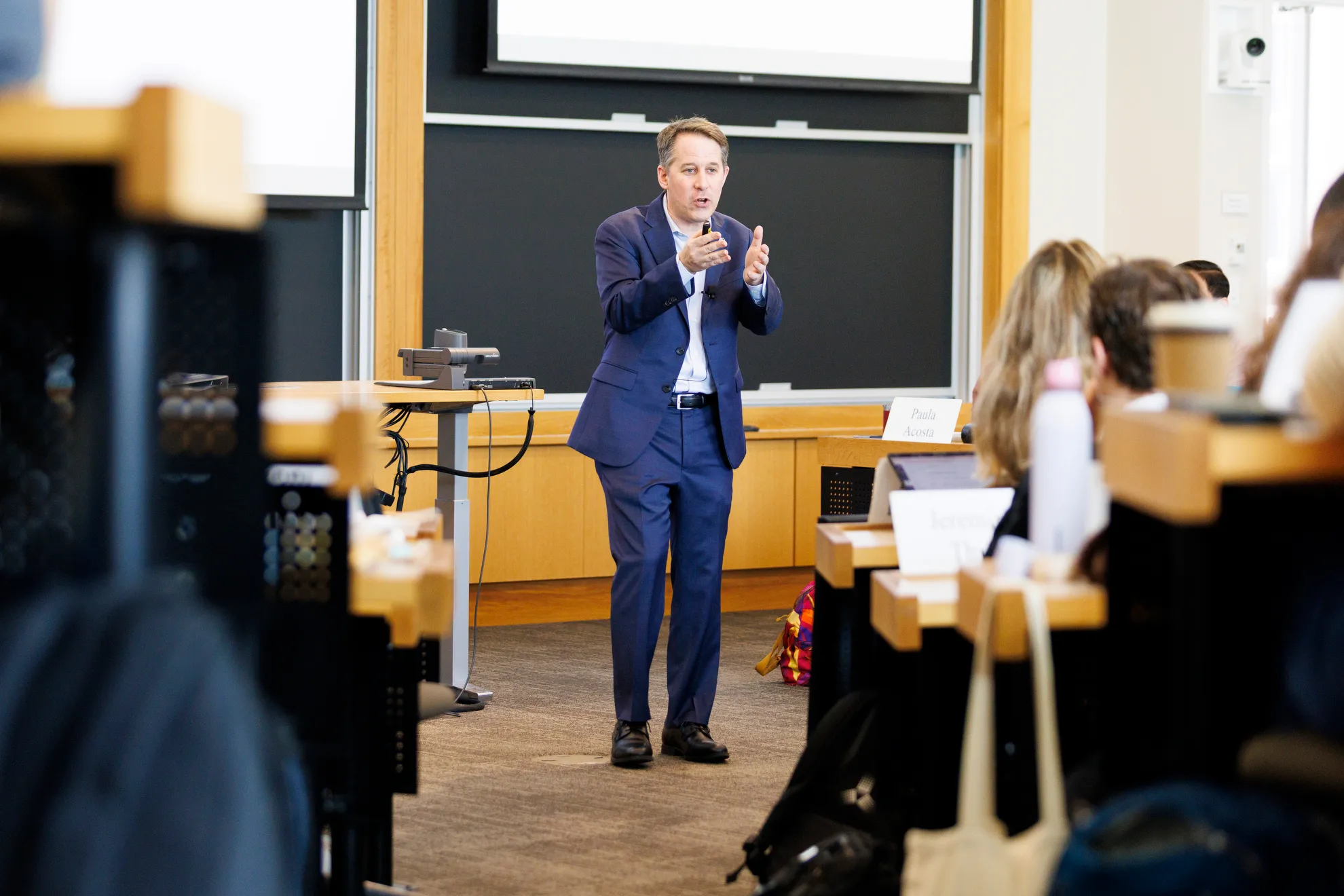
Jeremy Weinstein leads his class “Public Problem Solving with Generative AI.”
Photos by Veasey Conway/Harvard Staff Photographer
Christina Pazzanese
Harvard Staff Writer
July 28, 2026
7 min read
Kennedy School unveils 10-year strategic plan that features robust new focus on promise, perils of technology
Artificial intelligence is poised to soon change virtually every part of our lives, including the way we lead.
“There is no policy area, there is no function in the public or social sector, that isn’t going to be massively impacted by the accelerating power of generative AI,” said Jeremy Weinstein, dean of Harvard Kennedy School. “We need our curricular offerings to rise to meet that challenge.”
HKS recently unveiled a series of new initiatives across a range of areas, including financial aid and several AI and technology-focused shifts as part of a broad, 10-year strategic blueprint for the School.
As part of the plan, HKS will launch a new tech policy concentration for its master’s in public policy candidates and has hired two AI and policy professors, including MIT’s Stephen Casper, who joined HKS this summer. Casper will teach methods courses and electives on AI governance. The School also plans to look at offering a tech policy degree.
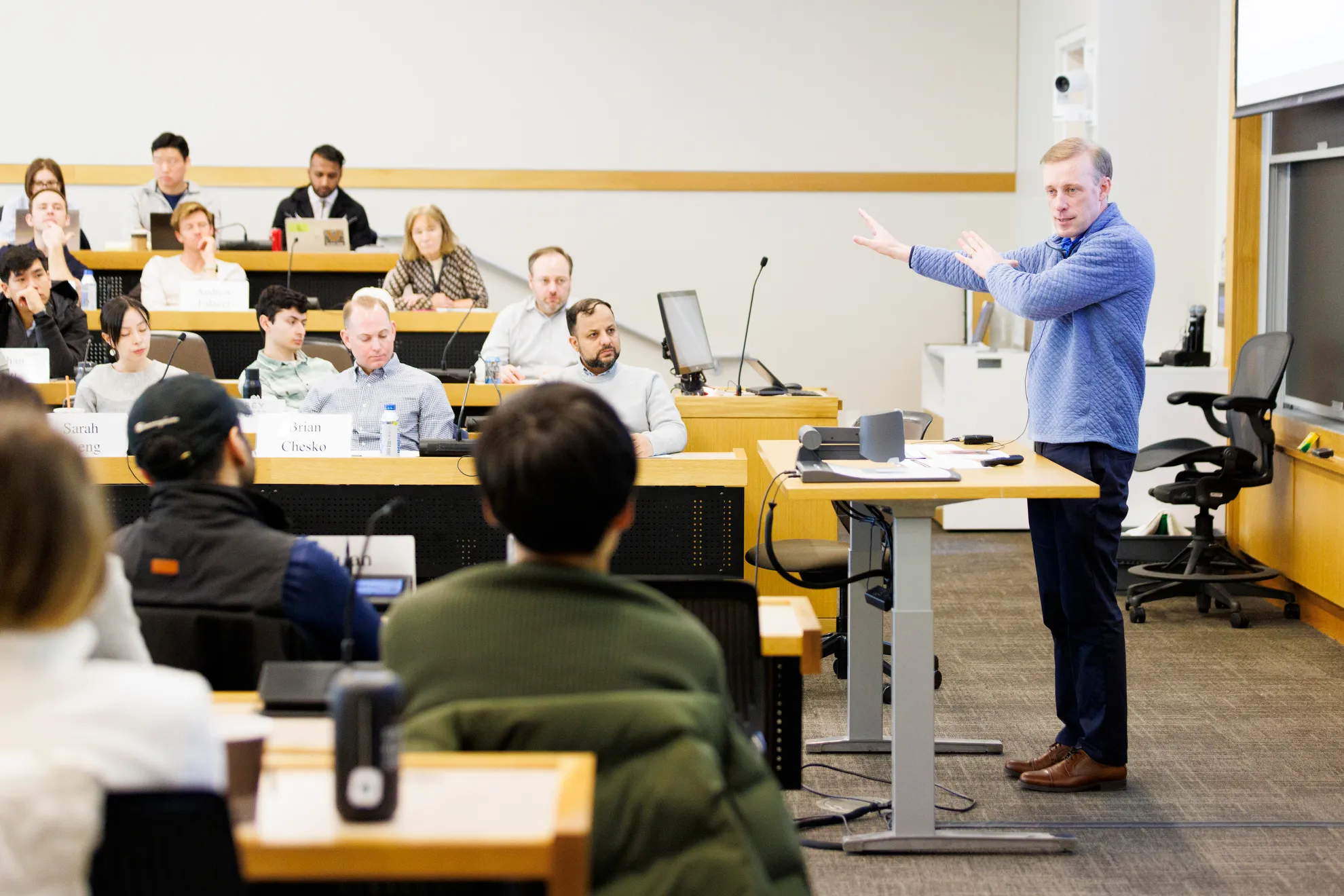
Some changes are already underway. This spring, students were offered two semester-long courses, one on the national security implications of AI led by Jake Sullivan, former national security adviser to President Joe Biden, and another on AI and policymaking that Weinstein co-taught with Sharad Goel, an applied mathematician and computer scientist at HKS.
An important focus involves getting the students more comfortable with the technology by learning how to use AI assistants to code and conduct rigorous analytics.
The goal is to ensure that they can use the powerful tools to solve public policy problems…

 点赞
点赞 收藏
收藏 点踩
点踩 分享
分享