Do you have a guilty AI secret?

Do you have a guilty AI secret?
Illustration by Liz Zonarich/Harvard Staff
Sy Boles
Harvard Staff Writer
July 28, 2026
5 min read
Media, legal experts discuss angst of individuals over appropriate use of powerful technology as institutions, culture scramble to set boundaries
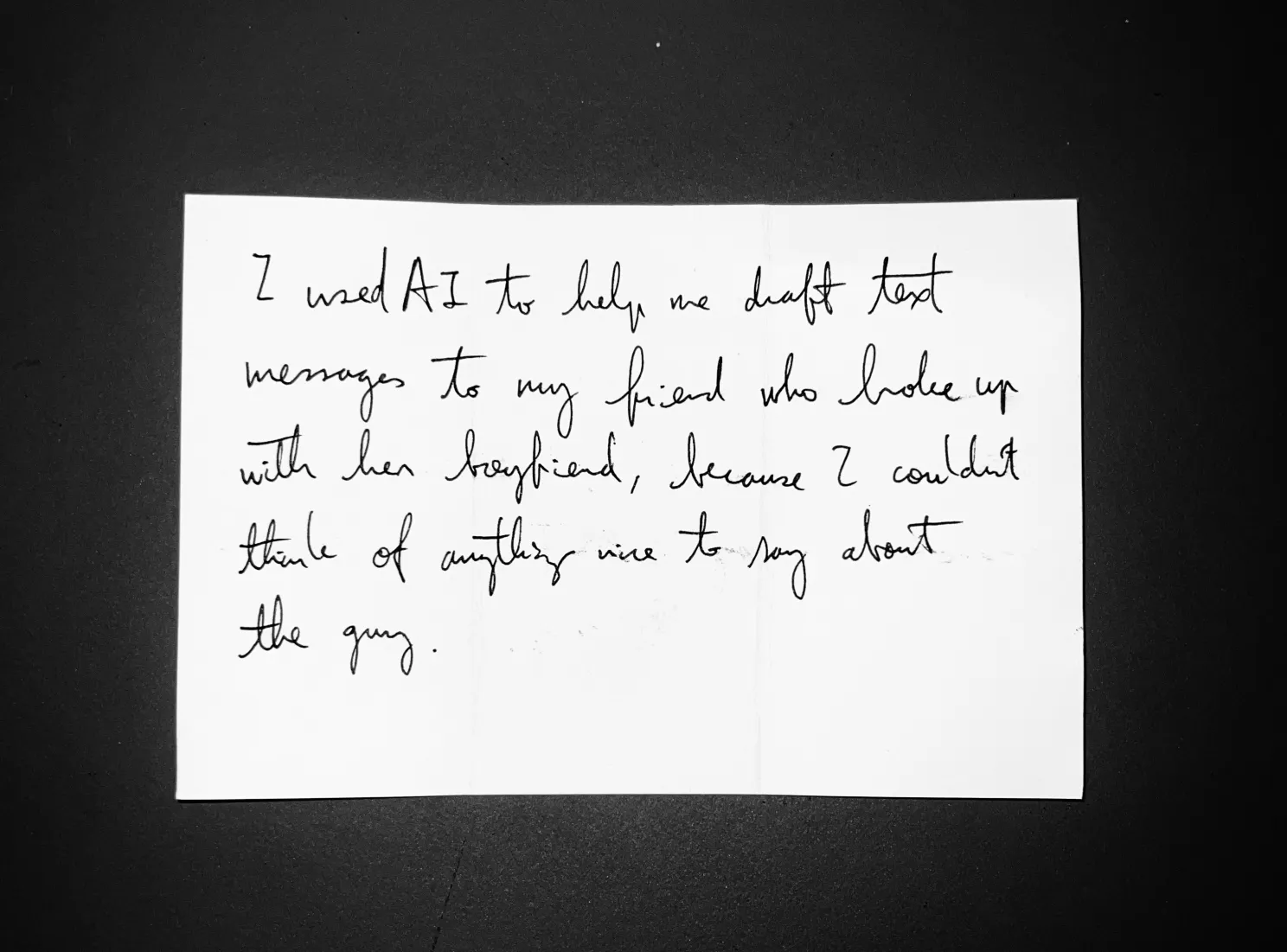
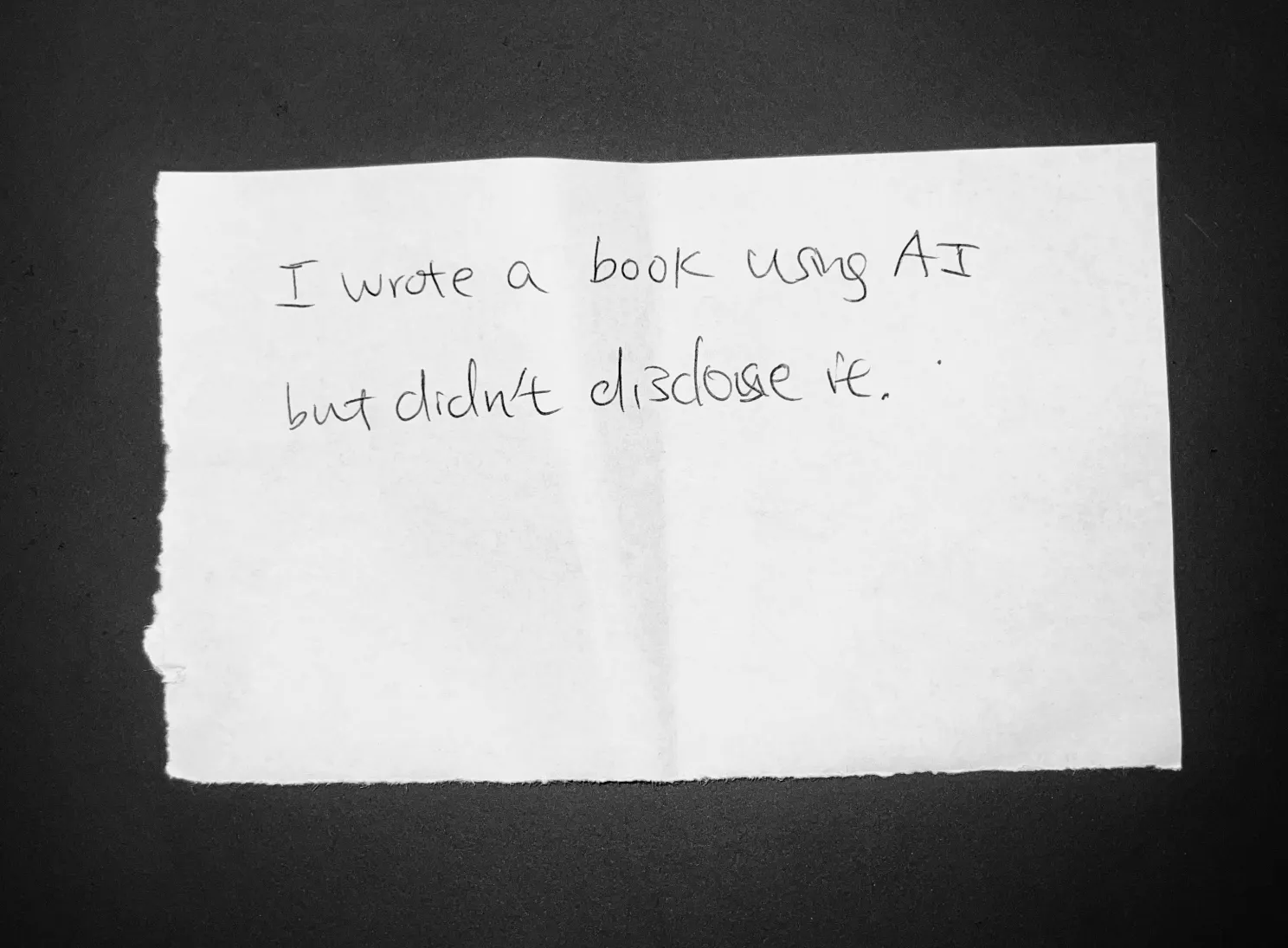
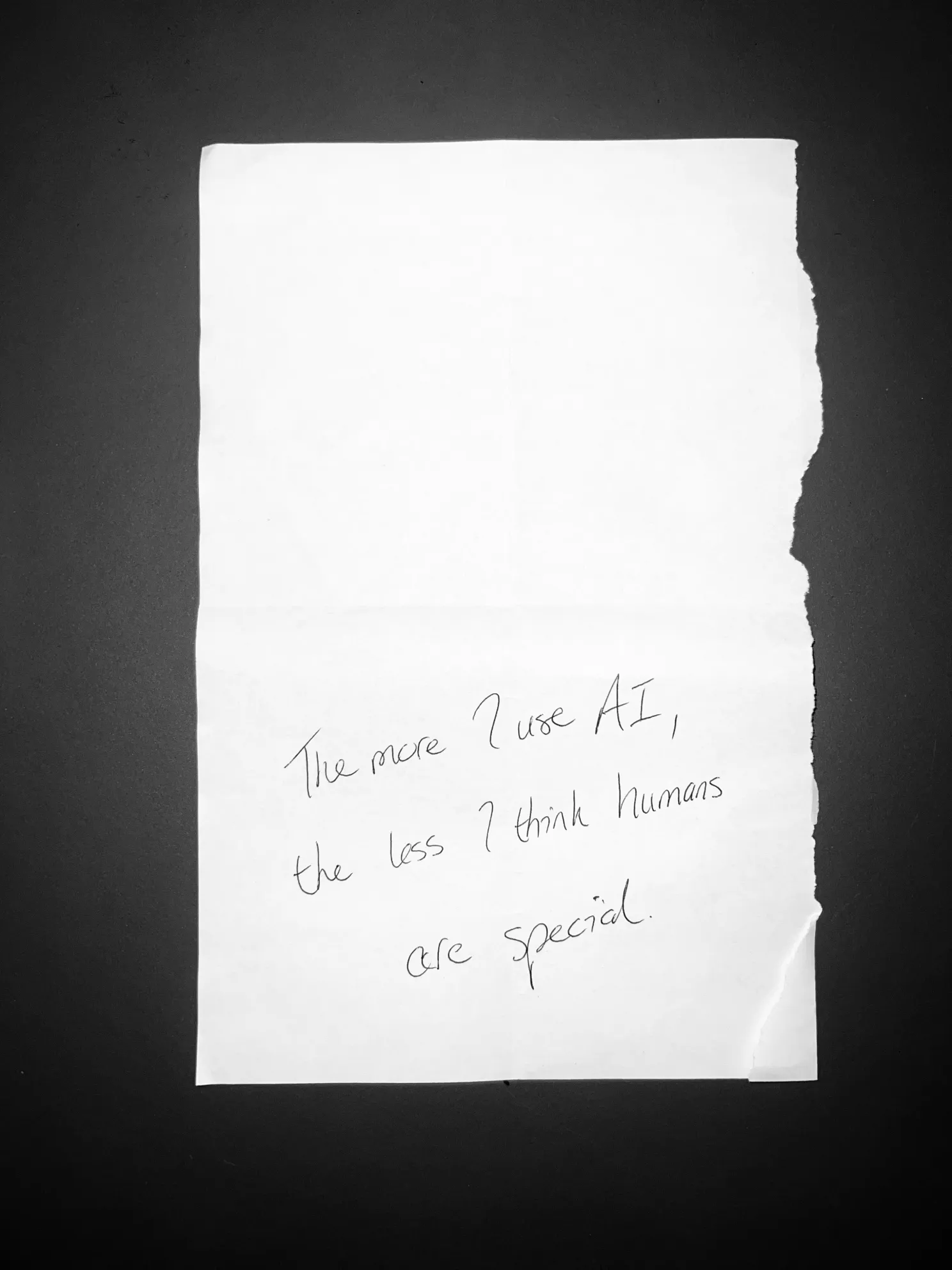
Sarah Newman is collecting secrets. Specifically, she’s collecting secrets about AI.
At conferences and other events, she puts out a wooden box and invites passersby to anonymously disclose the ways they’re using the powerful, mushrooming technology.
“I’ve written a speach [sic] with AI on a topic I don’t have a clue about,” wrote one anonymous confessor.
“Using AI to write official policy language without necessarily disclosing,” wrote another.
Newman, director of art and education at metaLAB at Harvard, sees a lot of uncertainty and angst out there. The aim of her project is to promote discussion about the personal use of AI at a time when its spread has already outstripped the ability of businesses and institutions to define what is appropriate in every instance.
“People don’t know what the rules are,” she said. “There are not established shared norms around both AI use — what’s appropriate and what’s not, across contexts — including when you should disclose use.”
“People don’t know what the rules are.”Sarah Newman
Since the 2022 release of the popular Large Language Model ChatGPT, businesses, schools, and universities as well as newspapers and publishing houses have been trying to sort it out.
But those efforts have been complicated by the technology’s defining property — its ability to mimic human output. This means it can be difficult, if not impossible, for institutions to police whether users are cheating.
And there have been recent high-profile accusations of misuse.
In May, the British literary magazine Granta responded to allegations that one of its prize-winning short stories, Jamir Nazir’s “The…

 点赞
点赞 收藏
收藏 点踩
点踩 分享
分享