Does Yamaha’s silent violin really work?


Soft play
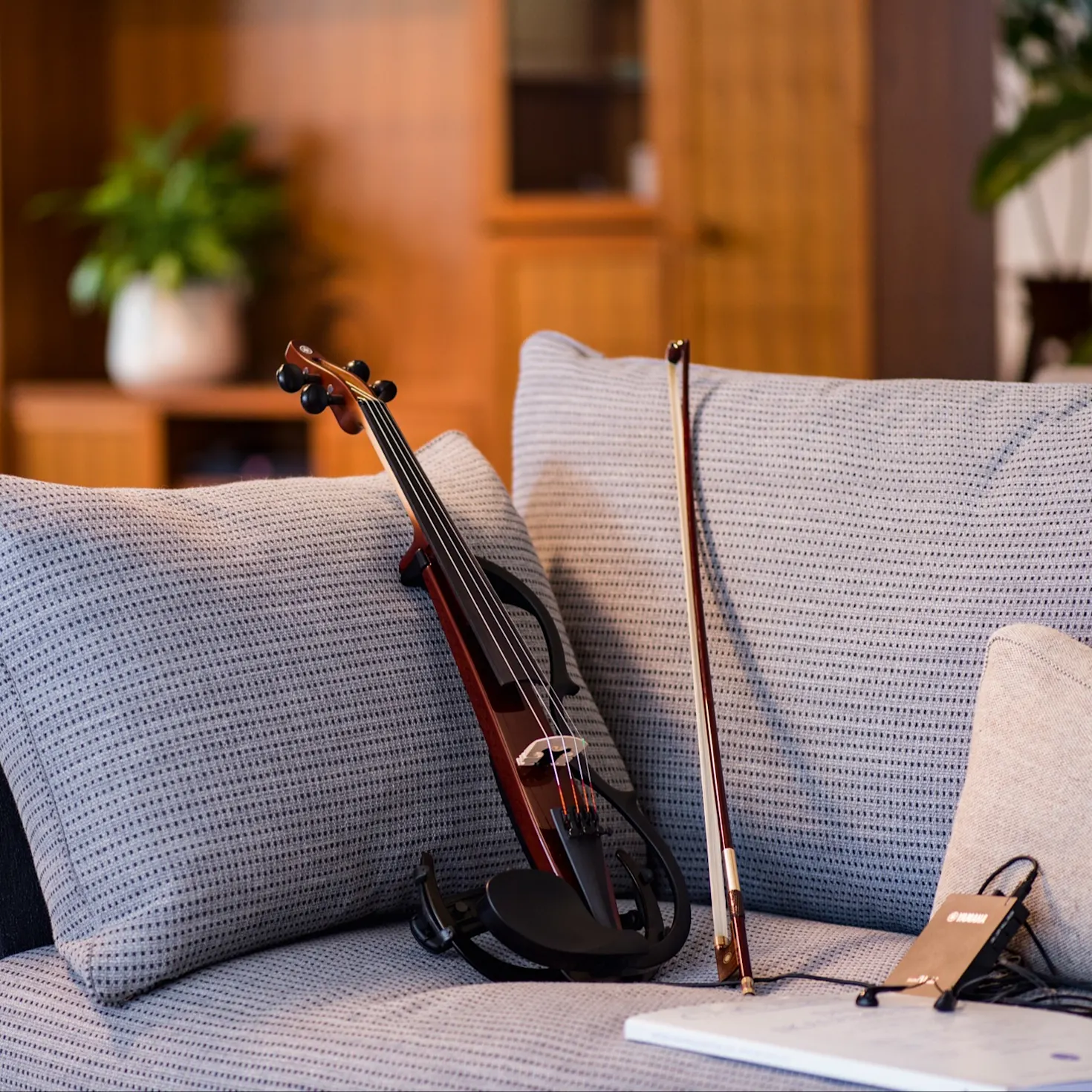
Yamaha SV250 Silent violin
Price: £2,570
“Every day, [mankind] invents machines and gadgets that multiply noise and distract [us] from essential life, from reflection, from spiritual immersion,” wrote the dadaist sculptor Jean Arp more than 80 years ago. He would have been even more troubled by the cacophony of the 21st century. Nevertheless, a more tranquil trend is emerging in consumer electronics. That is partly down to Quiet Mark, an organisation associated with the Noise Abatement Society, which conducts acoustic tests on the level and quality of sound made by products, then certifies the best performers in each category.
Founder and CEO Poppy Szkiler notes that when Quiet Mark started, little thought was given to the noise levels of consumer products, but in recent years – particularly post-pandemic – companies have been innovating rapidly. Musical instruments are, of course, designed to make sound, but practice sessions can cause friction with family, flatmates and neighbours. Yamaha’s Silent range – which now includes piano, guitar, brass and stringed instruments – debuted more than 30 years ago in Japan, where the dense urban environments made it immediately popular. While not strictly silent, these instruments vastly reduce the acoustic volume produced, with headphones picking up the slack.
Yamaha SV250 Silent violin, £2,750
I’m not a violinist, so I enlisted professional fiddler Jennymay Logan to accompany me to Yamaha Music London to try the SV250 and its five-string sister, the SV255. A cable runs from the instrument to a small control box, which has volume, treble and bass controls along with outputs to headphones (or an amplifier). On the back of the instrument is a knob to balance between the two pick-ups, one on the bridge, the other within the body, such as it is (the absence of the traditional violin body is one of the instrument’s most distinguishing features, while having an external control box also makes it lighter). The…

 点赞
点赞 收藏
收藏 点踩
点踩 分享
分享