4 myths cause us to abandon science. Here’s the path back.



There are a lot of people who think they know what science is, what science tells us, and how to evaluate claims based on their scientific merits. But are their assessments accurate? How do you, yourself, conceive of science? Do you do what most people do, and default to what you learned about science across a variety of classes in school, with a layer of cynicism and skepticism layered atop it? That’s understandable, as many of us remember being taught “facts” in our science classes that later were shown to be — if not completely incorrect — at least “not as they seemed” at the time. It’s as though, somewhere along the lines, many of us were taught that science is simply a collection of isolated facts about the world, and then our ability to regurgitate those facts was used as a metric to measure how good we were at science, even though:
Many of those facts may have felt absurd.
Many of the experiments we performed didn’t give the results we were told they should give.
And many of our experiences didn’t line up with what was written in our textbooks.
If that aligns with your experience of “what science is,” then why should we be expected to believe that whatever science “tells us” is actually true?
It’s an understandable way to feel, but it’s rooted in a deep misconception. Only if you possess a narrow, incomplete understanding of both what science is and how science works could you wind up in such a predicament. The way out, perhaps, is to slay the four most common myths that agenda-driven advocates — who rely on deceiving you about what’s scientifically true — leverage to sow doubt about bona fide knowledge. While there are many ways that the world can fool us into believing something that isn’t true, most of the attacks against scientific findings are, in fact, only successful because they prey on how humans often wind up fooling ourselves.
Science, in actuality, is both:
a process,
and the full body of knowledge that we have,
which adds up to the best, most truthful understanding we have of the world at any given time. Here are four common lines of thought that we often make to argue against scientific findings, along with why each of them is fundamentally flawed.
Grains of the genetically engineered Golden Rice (right), compared to the Vitamin A-deficient white rice (left). Hundreds of thousands of children per year, worldwide, on primarily rice diets, go blind from lack of Vitamin A, with even greater numbers dying from it outright. Golden Rice could cure that problem. Scientists, but also many other professionals in public health, marketing, politics, and more are needed to transform this scientific solution into a practical solution, as misinformed advocates frequently and vociferously oppose this life-saving measure.Credit: International Rice Research Institute (IRRI)/flickr
1.) Science is biased by who funds it. There’s a common narrative that scientists in a particular field are heavily influenced by who funds them, and therefore their results and conclusions are unreliable: driven by the ideology of the funders. Because there are numerous instances throughout history where various industries have published junk science that does indeed promote their agenda — for example, the tobacco industry has famously been caught manipulating research, and oil companies have been caught suppressing science that indicates their contributions to global warming — many people believe that this translates into all science being untrustworthy, particularly wherever it’s funded by some entity they view as ethically questionable.
This has been (mis-)applied to many different realms of science, claiming that because there is a moneyed interest that has behaved unethically at any point in history, therefore the scientists that they fund must be “cooking the books” to obtain whatever results are desired.
Agricultural scientists must be in the pocket of Monsanto.
Bee researchers must be in the pocket of Bayer.
Climate scientists must be in the pocket of big government.
Clinical researchers who test vaccines must be in the pocket of the pharmaceutical industry.
5G and other radio-frequency safety researchers must be in the pocket of big telecom.
And so on, across any scientific field you dare imagine.
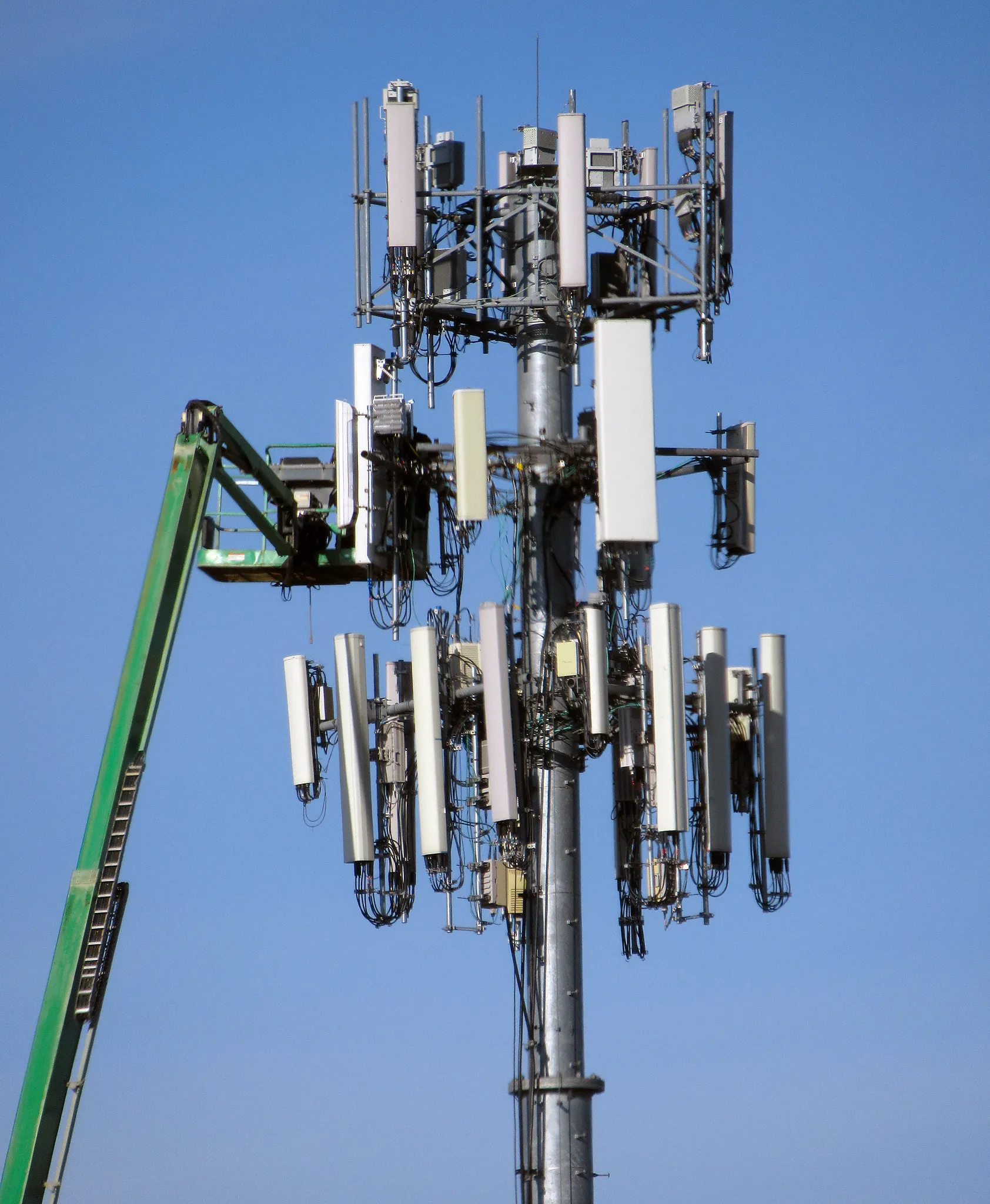
Despite a variety of conspiratorial claims to the contrary, 5G cell towers, which this previous 4G tower in Orem, Utah, was being upgraded to at the time this 2021 photo was taken, pose no danger to human or animal health. In particular, they do not cause cancer, mind control, or spread COVID-19. A few years ago, this (now-obvious) conspiracy theory was taken seriously by millions of advocates across the planet, and no doubt the next upgrade, to the 6G standard, will bring about the same fundamentally anti-science claims.Credit: arbyreed/flickr
Of course, these claims are completely baseless. Research only gets to be conducted when there’s funding of some type for that research, and the types of research that receive funding frequently depend on whether someone is motivated enough to be willing to pay for it. However, this doesn’t mean there’s built-in bias toward obtaining a particular result. In fact, it’s clearly in everyone’s interests if the research is conducted ethically and scrupulously. Some reasons include:
Other scientists will review the results, and if anything is amiss, the fraudulent activity is likely to be discovered.
If fraudulent research is conducted, the company behind it will be legally liable, which unequivocally harms their bottom line.
And if the research reaches incorrect conclusions, the evidence for the actual truth will continue to build until a better study is conducted, at which point the correct conclusions will then be reached.
To be sure, there really is fraudulent research that gets conducted all the time; it’s one of the main reasons papers either get retracted or wind up being published in unscrupulous, sham journals. This happens frequently among:
climate contrarians,
the “vaccines cause autism” crowd,
anti-fluoride advocates,
traditional Chinese medicine practitioners,
lab leak conspiracy theorists,
those who correlate race-and-IQ,
“alternative cosmology” advocates,
and crackpots of all varieties.
However, you can’t simply cry out “fraud!” because you don’t like the conclusions. Unless you have strong evidence that fraud was at play, you’re falling for one of the most unethical gambits in all of science (mis-)communication.
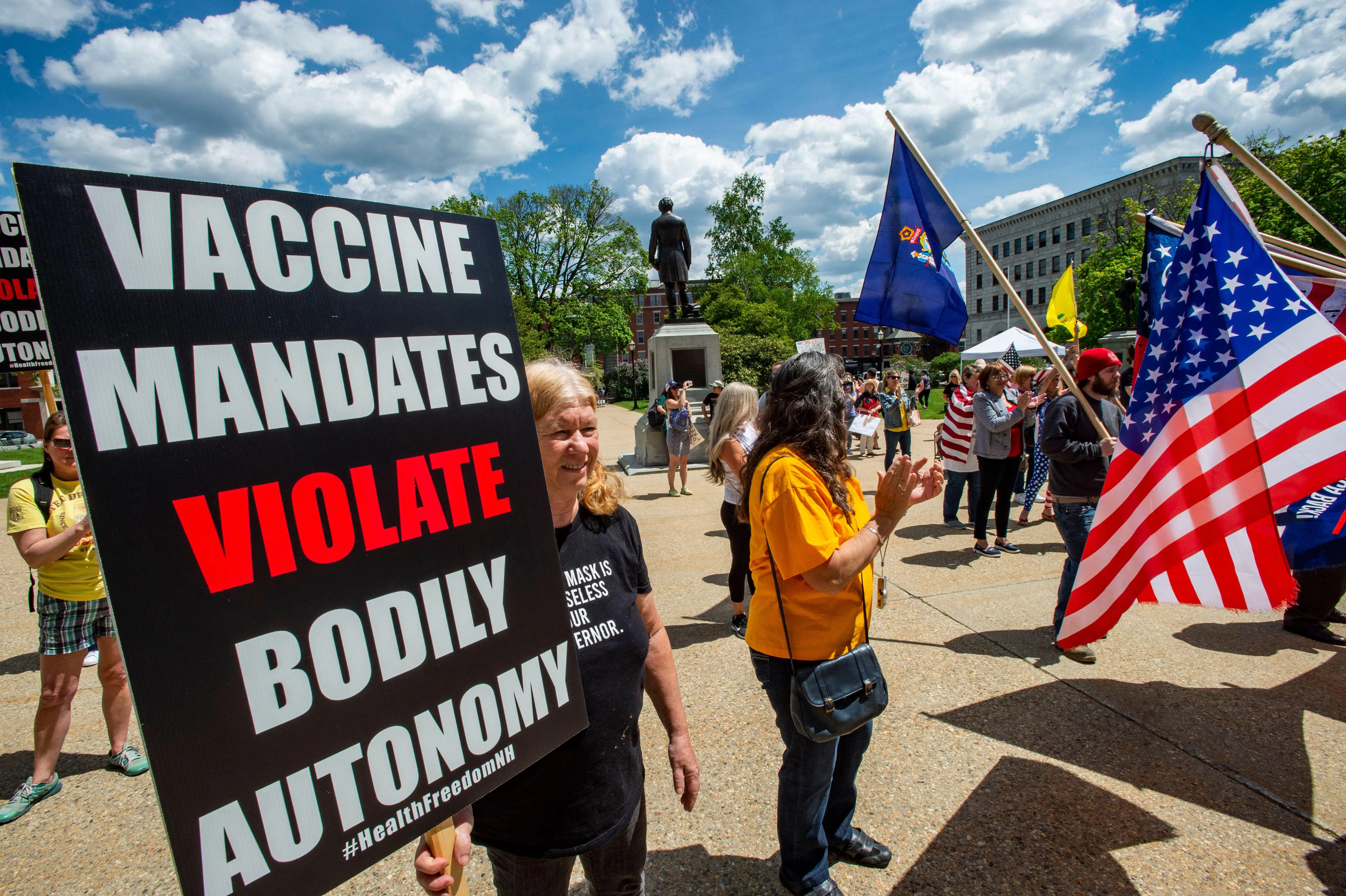
When people reject science in favor of whatever their preferred ideology is, they can come to absurd and destructive conclusions that harm us all. The fact that, during the height of the COVID-19 pandemic (and even afterward) people opposed wearing masks, advocated against testing, vaccines, and other public health interventions routinely demonstrated an unconscionable act of science denial, leading to millions of unnecessary infections, deaths, and long-term disability.Credit: Joseph Prezioso / AFP via Getty Images
2.) Science is driven by public opinion. This is a hard one, because this perception has been on the rise in our society for all of the 21st century. Whenever science begins reaching conclusions that are, shall we say, inconvenient for some people or certain industries, those who would prefer a different outcome take a different tactic than engaging in honest scientific research. Instead, they take a series of scientifically baseless but emotionally appealing claims directly to the expertise-lacking general public. If you fundamentally lack the training necessary to evaluate a scientific or health claim, but someone who you trust and ideologically agree with makes what you perceive as a compelling point on one side of the issue, you’re likely to agree with them about that issue, even if it lacks scientific merit.
Supplements, for example, are largely unregulated as an industry, and those who sell them are legally allowed to make many dubious health clai…

 点赞
点赞 收藏
收藏 点踩
点踩 分享
分享