Roadside Picnic: The Universe Doesn't Care About You

I just finished watching Project Hail Mary. The film left me buzzing with that familiar sci-fi high-humanity reaching across the void, finding friendship with an alien species, saving Earth through cooperation and mutual understanding. Classic feel-good cosmic optimism.
Then something flipped in my brain. I remembered another story. One that asks the opposite question: what if the aliens never cared enough to notice us in the first place?
That’s when I pulled out my old copy of Roadside Picnic and rewatched Tarkovsky’s Stalker. The whiplash was immediate.
The Strugatsky brothers stripped away every shred of human pride with one devastating metaphor: roadside picnic.
Alien visitors came to Earth and stopped here the way you might pull over during a road trip. They drank some soda, smoked a few cigarettes, then drove off. What they left behind was pure garbage.
We built research institutes and sent people called "stalkers" into the Zones. These were the spots the aliens had touched, where physics no longer worked properly. The stalkers risked their lives studying the leftovers: "full empties" generating endless energy, gravity traps that could crush a person instantly.
But these miracles we worship are probably just dead batteries and cigarette butts to them.
The cosmic indifference cuts deep because it comes from absolute blindness. They never saw us at all.
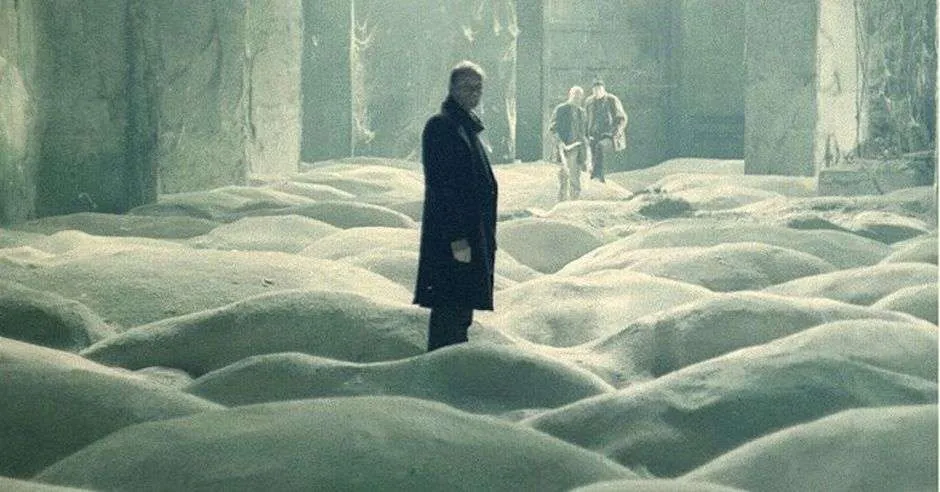
Andrei Tarkovsky’s film Stalker turned this indifference into pure visual language: long, slow shots of wet ruins and rusting metal. A landscape God forgot.
The Zone's real terror comes from the quiet. A puddle, abandoned tanks, and wind moving through grass. Any of it might kill you. Tarkovsky's camera moves at a crawl, as though time itself has thickened around the alien waste. This captures the core truth: cosmic indifference means the universe never noticed you existed. The landscape won't change when you arrive. Nothing will sigh when you die.
The novel pushes deeper. Watch what happens when human…

 点赞
点赞 收藏
收藏 点踩
点踩 分享
分享