How to fight a nuclear war in 1950
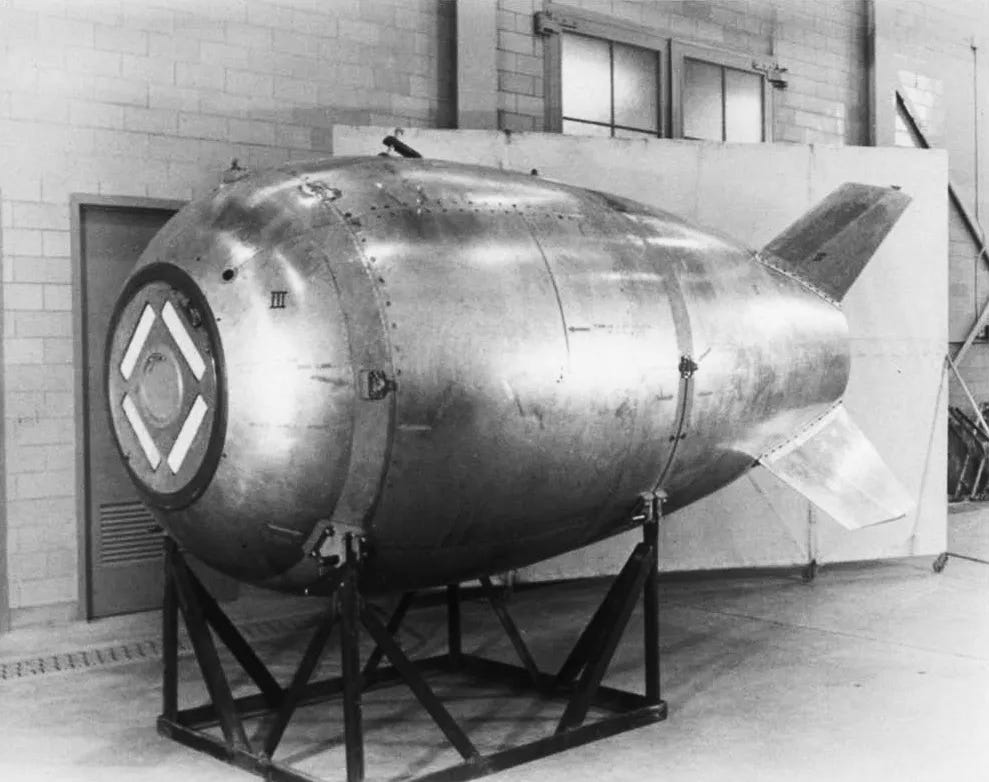
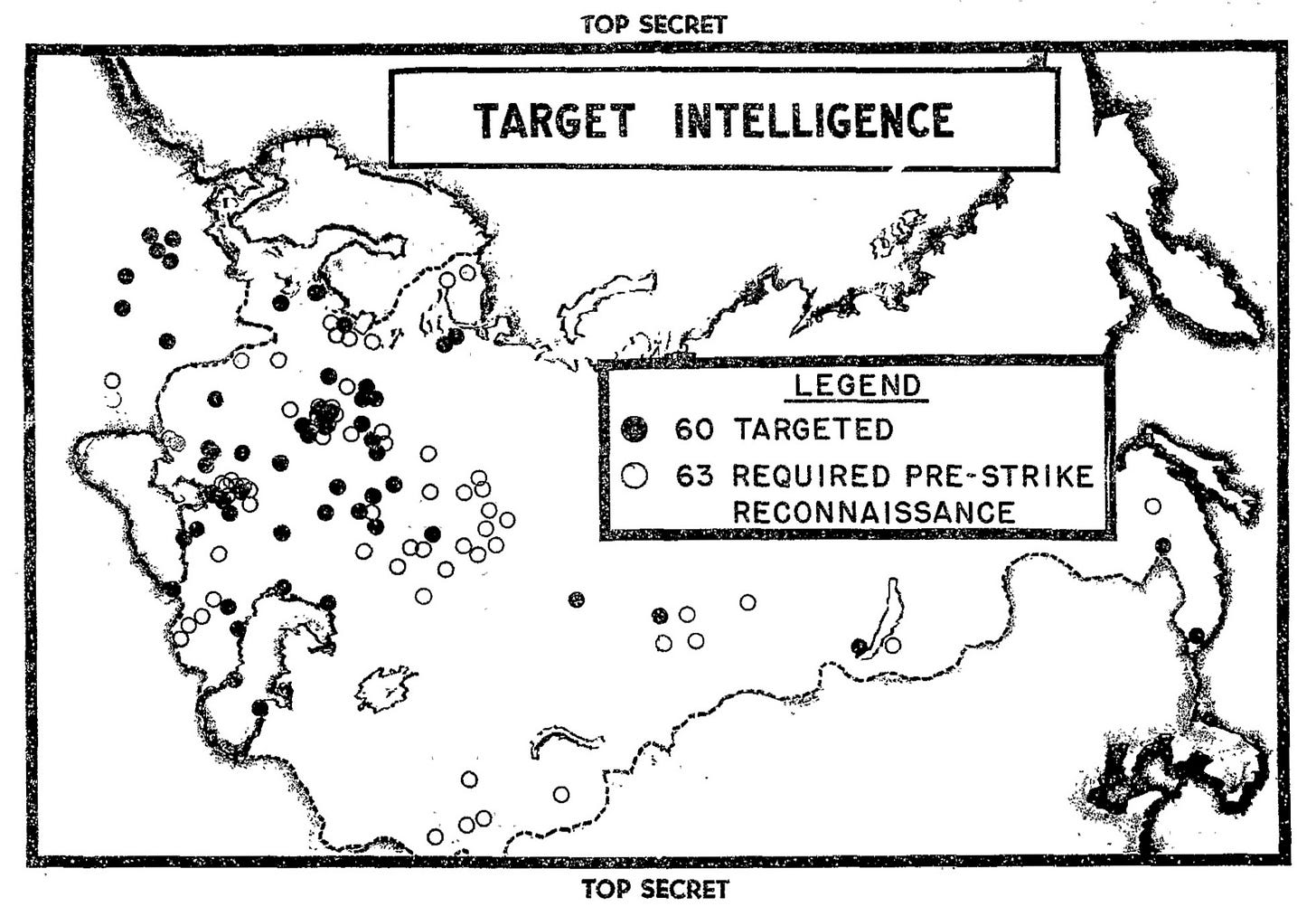
When most people imagine “nuclear war,” they imagine the push-button “wargasm” that only became possible for the United States to do by the mid-to-late 1950s, and some time later than that by the Soviet Union. From the mid-1940s through the early 1950s, however, the US arsenal was relatively small in terms of quantity, and relatively limited in terms of capability. Consequently, “nuclear war” in this period was a different sort of beast.
The spring of 1950 is an interesting moment for thinking about US capabilities just at the end of the American nuclear monopoly. The Soviets had tested their first atomic bomb the previous fall. The Korean War had not yet started — that would happen in late June. As I write about in my most recent book (obligatory plug), the Korean War was an important turning point for American nuclear policy, and the start of the serious arms build-up that we tend to associate with the Cold War. While the Joint Chiefs of Staff had begun to take the possibility of war with the Soviets more seriously after the Berlin Crisis of 1948, President Truman himself was still opposed to re-militarizing and hesitant regarding anything like that looked like either conventional or atomic expansion. So this is before the US was actually on a true “Cold War” footing, even though the US Air Force was already beating that drum very loudly, at least internally.
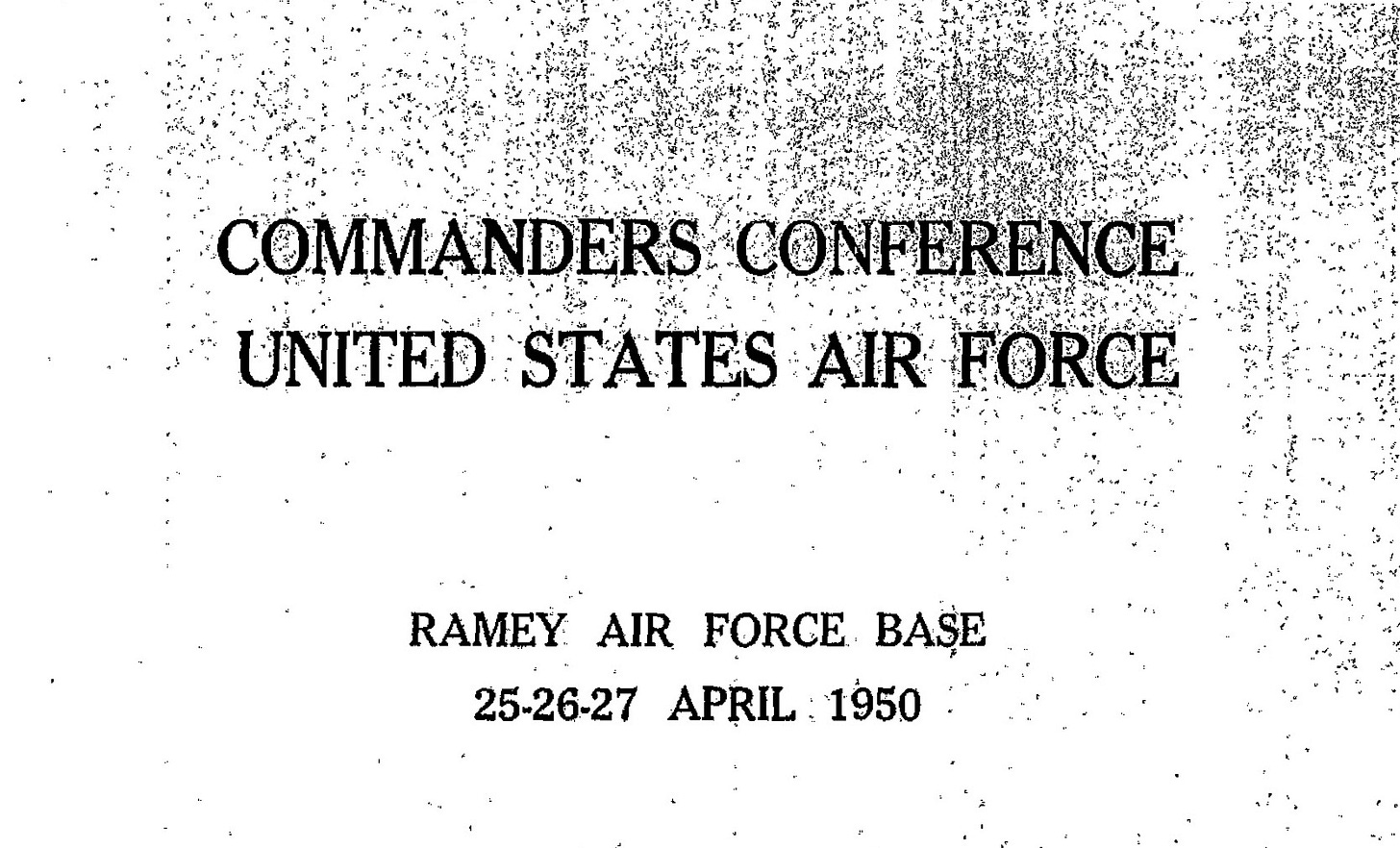
The cover page for the presentation at the SAC conference by Brig. Gen. J. B. Montgomery. Links to both of the reports discussed here can be found in the footnotes.
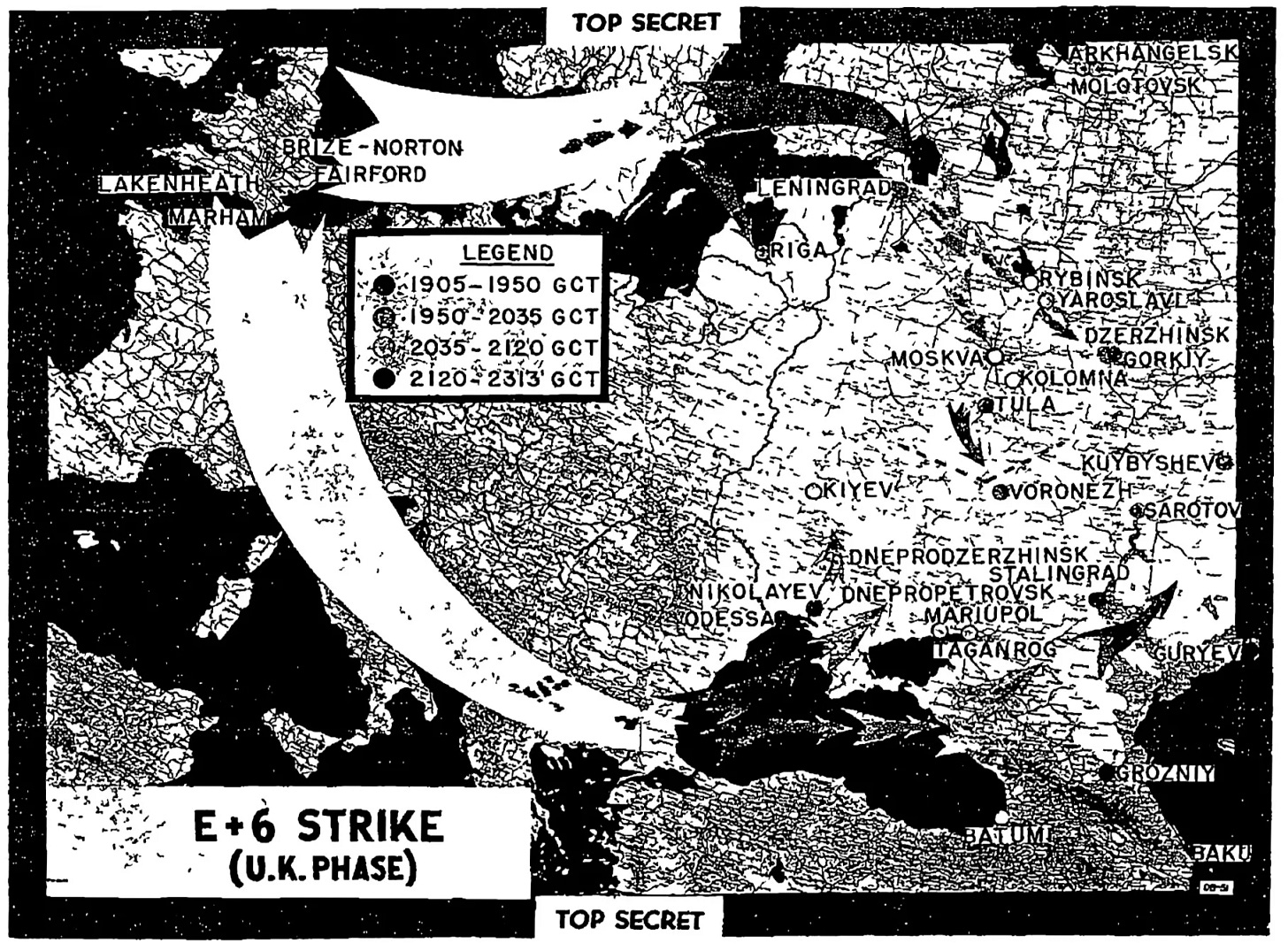
We can get an unusually good glimpse of how the Strategic Air Command (SAC) viewed OFFTACKLE, because many of the presentations for a Commanders’ Conference at Ramey Air Force Base in Aguadilla, Puerto Rico, from late April 1950 have been declassified. They make for interesting reading in and of themselves, particularly for their ideological content — the head of SAC intelligence, Maj. Geneal Charles Cabell, for example, was adamant that the S…

 点赞
点赞 收藏
收藏 点踩
点踩 分享
分享