TSMC-Supplier LCY Says KKR Will Exit, Allowing Faster US Growth

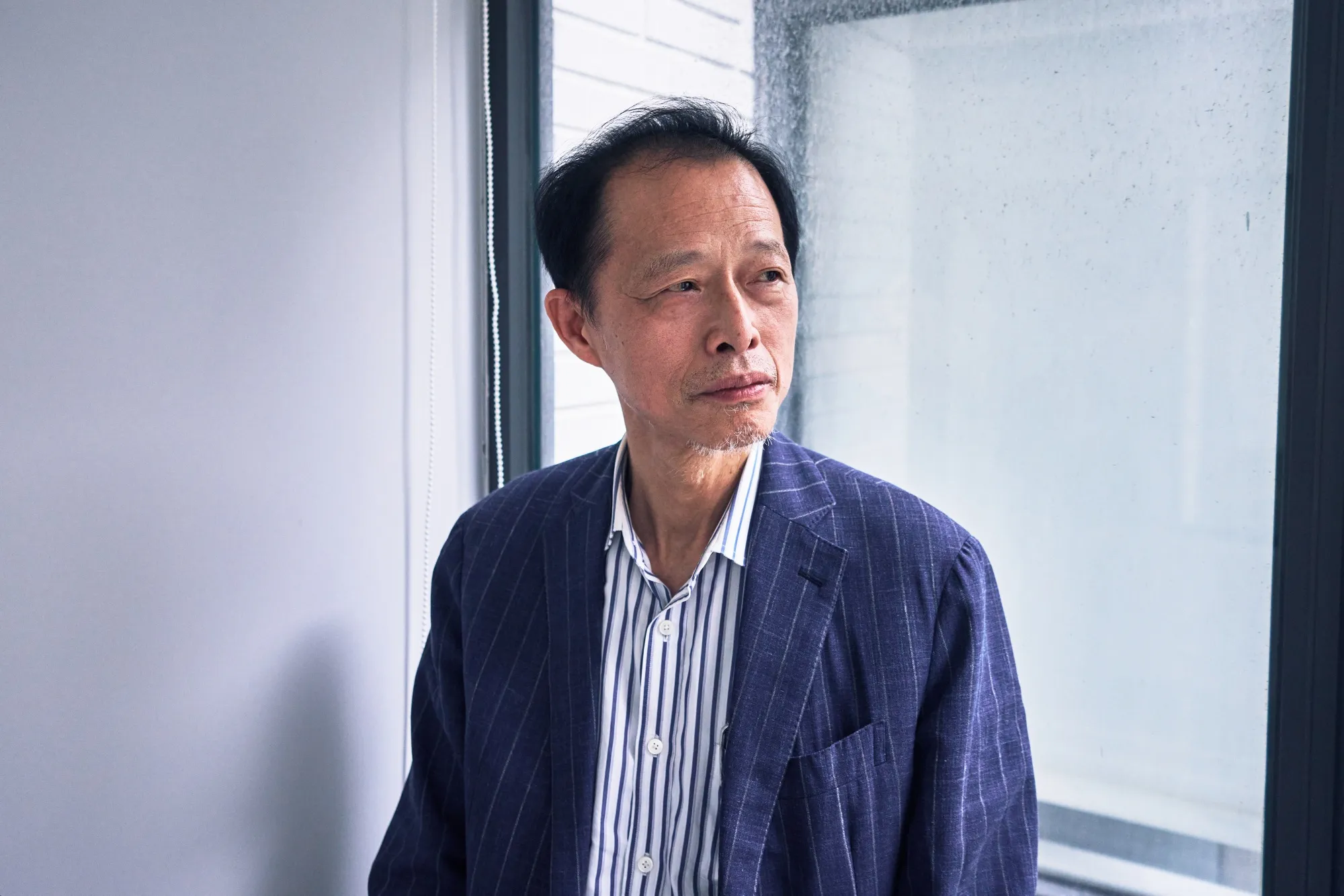
Private equity giant KKR & Co. plans to gradually sell its stake in LCY Group’s business, the Taiwan chemical maker’s chairman said, paving the way for the family-controlled company to accelerate the expansion of its semiconductor material operations.
Bowei Lee, chairman of LCY Group, which supplies specialty chemicals to technology companies including Taiwan Semiconductor Manufacturing Co. and Intel Corp., spoke in an interview, declining to say who may be the buyer for KKR’s interests, which include stakes in LCY Chemical Corp. and an affiliate.
KKR declined to comment.
In 2019, the private equity firm spent NT$47.8 billion, around $1.56 billion at the time, to become the largest shareholder in LCY Chemical. The chemical business has more recently been seeking $874 million in loans, partly for capital expenditure, according to a person familiar with the matter.
KKR’s gradual exit, along with the departure of former LCY Chemical CEO Vincent Liu, will allow the firm to pursue a more aggressive growth strategy, Lee said.
While Lee has been chair of LCY Group for years, he said KKR and Liu are more conservative in operating LCY Chemical.
“I’ll push expansion a little faster than TSMC does,” he said when asked about TSMC’s aggressive $265 billion expansion in the US, which includes $100 billion of additional spending revealed last week.
In 2021, LCY announced an expansion into the US centered around a $280 million investment in Arizona, where its facility is reportedly due to be completed around 2028. KKR is also set to exit that business.
Lee declined to give the exact number of additional investments in the pipeline, adding that those in the US will be “much larger” than planned, as they may include plants for multiple products. Investment conversations with Korean and Japanese partners are ongoing, he said.
In April, LCY announced a Taiwan-based joint venture, JSR Micro Advanced Manufacturing Taiwan Co., with leading Japanese chemical materials company JSR.
A long-time investor in private equity himself, Lee said his family office, which operates in Singapore and invests roughly 99% of its portfolio in private equity and venture capital deals, will continue to avoid areas like private credit and data centers, despite the popularity of such assets in recent years.
“We haven’t invested in a single private credit fund,” he said. “We had debated and argued within our internal teams, and decided not to go in. I have many investment veteran friends who have dived into private credit and they’re all disappointed now.”
Lee says he invested in data centers around a decade ago but will avoid pouring in more money.
“Frankly, the risk is higher than the returns now,” he said. “I want 20-30% in annual returns every year and that’s not easy, so I have to be picky in what to invest in.”
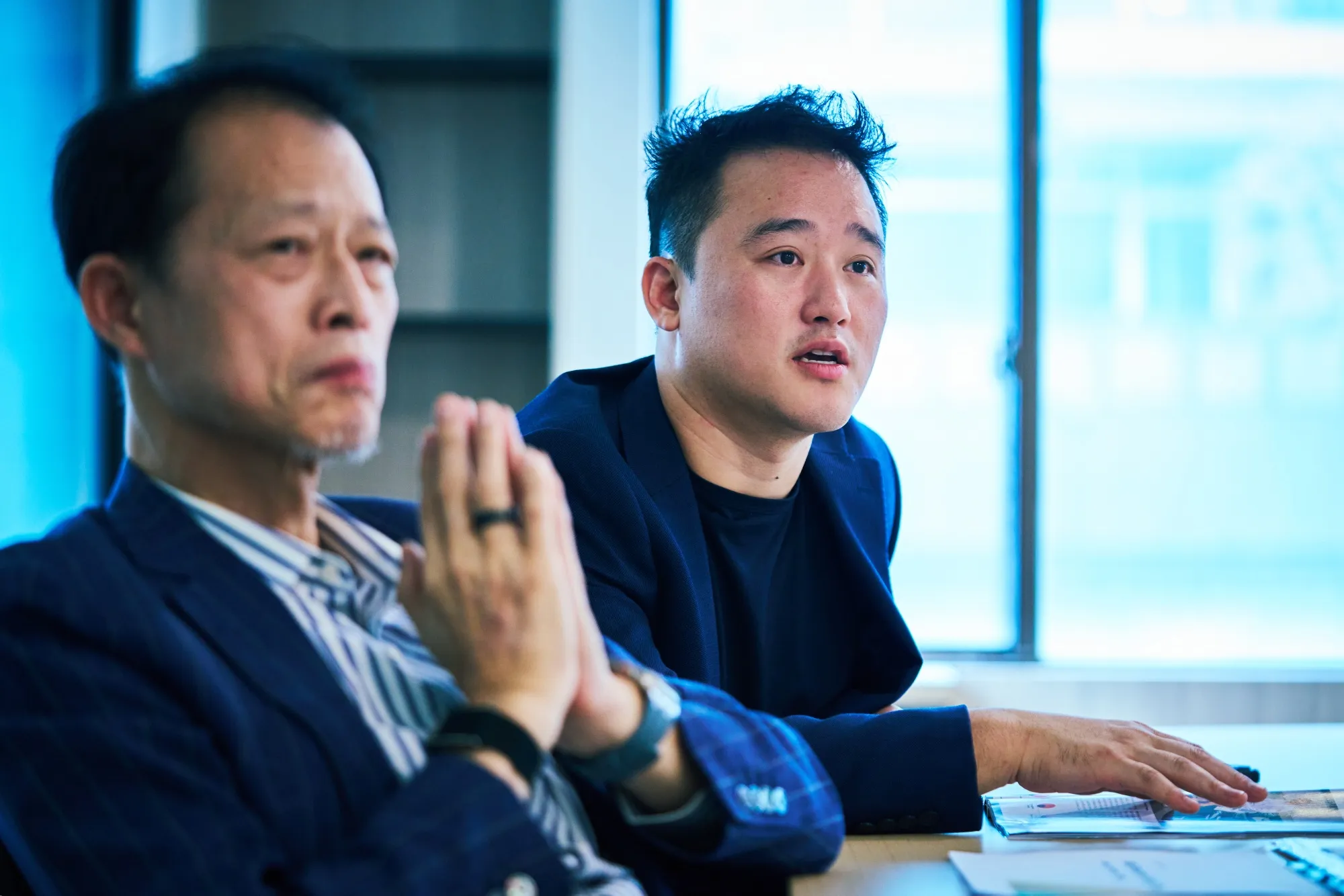
The family business group, founded in 1915 as a timber business by Lee’s grandfather, needs to transform significantly every 30-40 years to survive, he said in the interview, where he was accompanied by his eldest son Hendrick Lee of Palm Drive Capital.
“You need to change, there’s no other way,” the elder Lee said.

 点赞
点赞 收藏
收藏 点踩
点踩 分享
分享