Hog Ring Detection with Computer Vision

SUMMARY
Automate hog ring inspection in automotive seat assembly with a Roboflow Workflow: RF-DETR detects and counts visible rings, a Custom Python block compares the count against the expected number and returns a deterministic PASS or FAIL, and Gemini adds a one-sentence visual review flagging open rings, odd spacing, or poor visibility. Every check logs to Vision Events with counts and metadata, creating a traceable inspection history ready to feed MES integrations, Slack alerts, or a manual review queue.
The global industrial fasteners market was valued at USD 103.9 billion in 2025 and is projected to reach USD 153.7 billion by 2033, growing at 5.1% annually. This growth highlights reliable fastening systems across automotive, aerospace, construction, and industrial production.
In automotive seat assembly, hog rings secure upholstery, listing wires, and materials to the seat structure. A missing, open, or misplaced ring can cause loose fabric, uneven tension, poor appearance, and defects in later production stages. Early detection allows quality teams to correct the assembly before components are installed.
This project uses Roboflow Workflows to automate hog ring inspection. RF-DETR detects and counts visible rings, while a Custom Python block compares the detected count with the expected count. Gemini 2.5 Pro reviews the annotated image for visible installation issues and recommends manual inspection when needed.
Automate Hog Ring Detection with Vision AI
The system we'll build can report:
Visible hog rings
Expected and detected counts
Possible missing or extra rings
Open or incompletely closed rings
Unusual spacing or poor visibility
Whether manual inspection is required
The final output is an annotated hog ring inspection image with the result and a short Gemini review.
Step 1: Prepare the Dataset
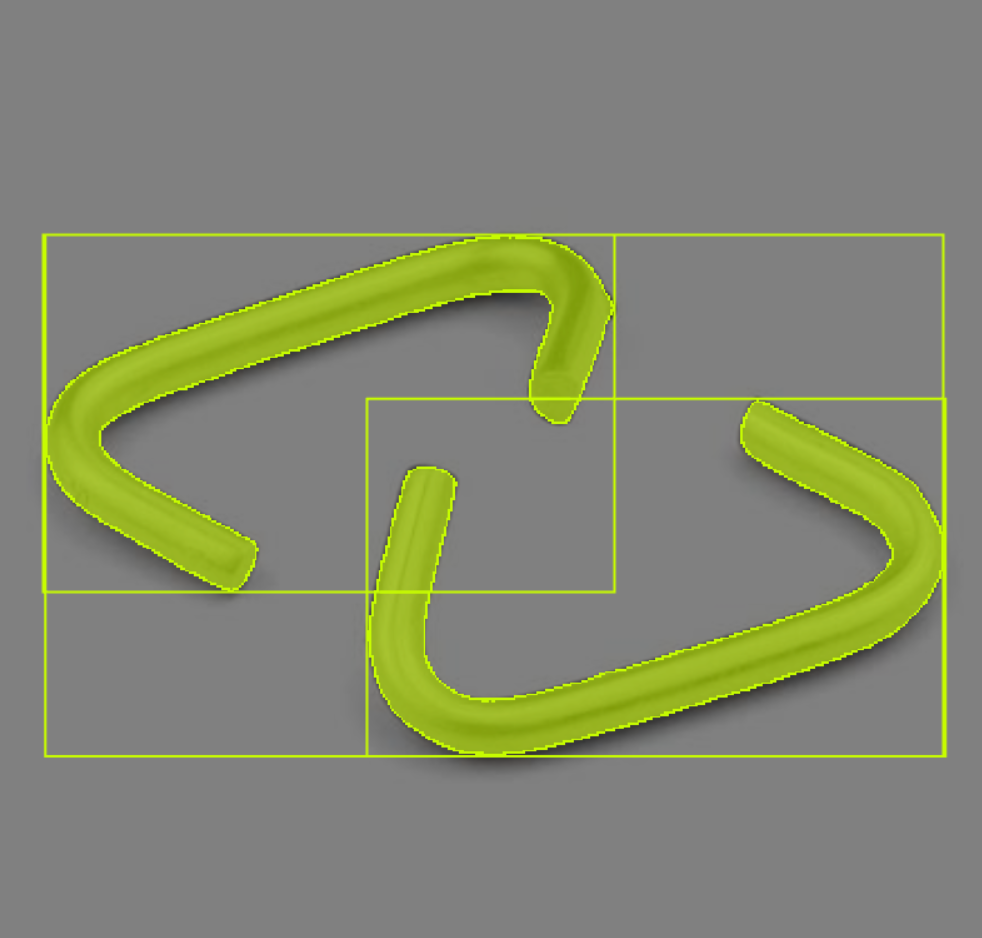
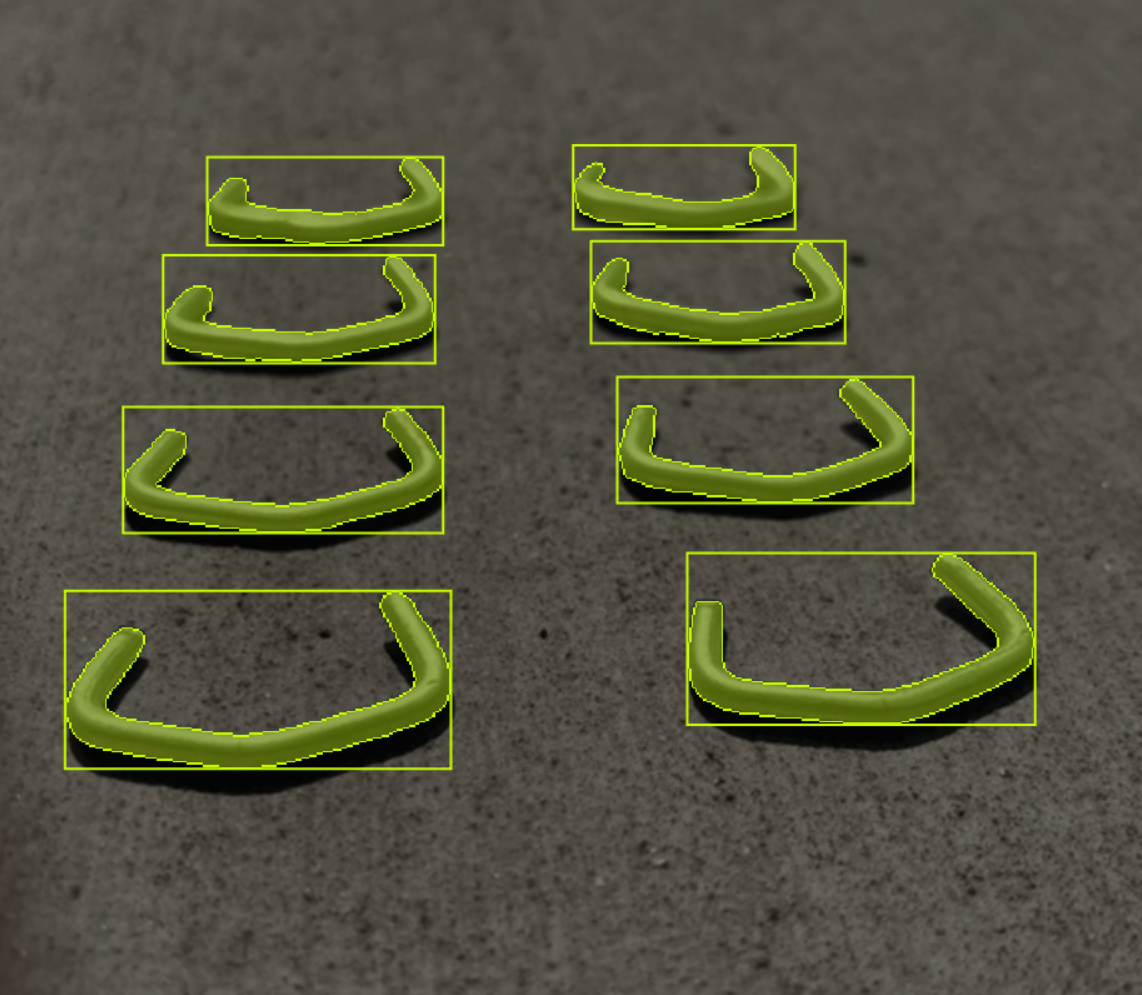
I'll use the Hog Rings Computer Vision Dataset from Roboflow Universe. The project contains images of metal hog rings annotated for object detecti…

 点赞
点赞 收藏
收藏 点踩
点踩 分享
分享