Who owns baklava?

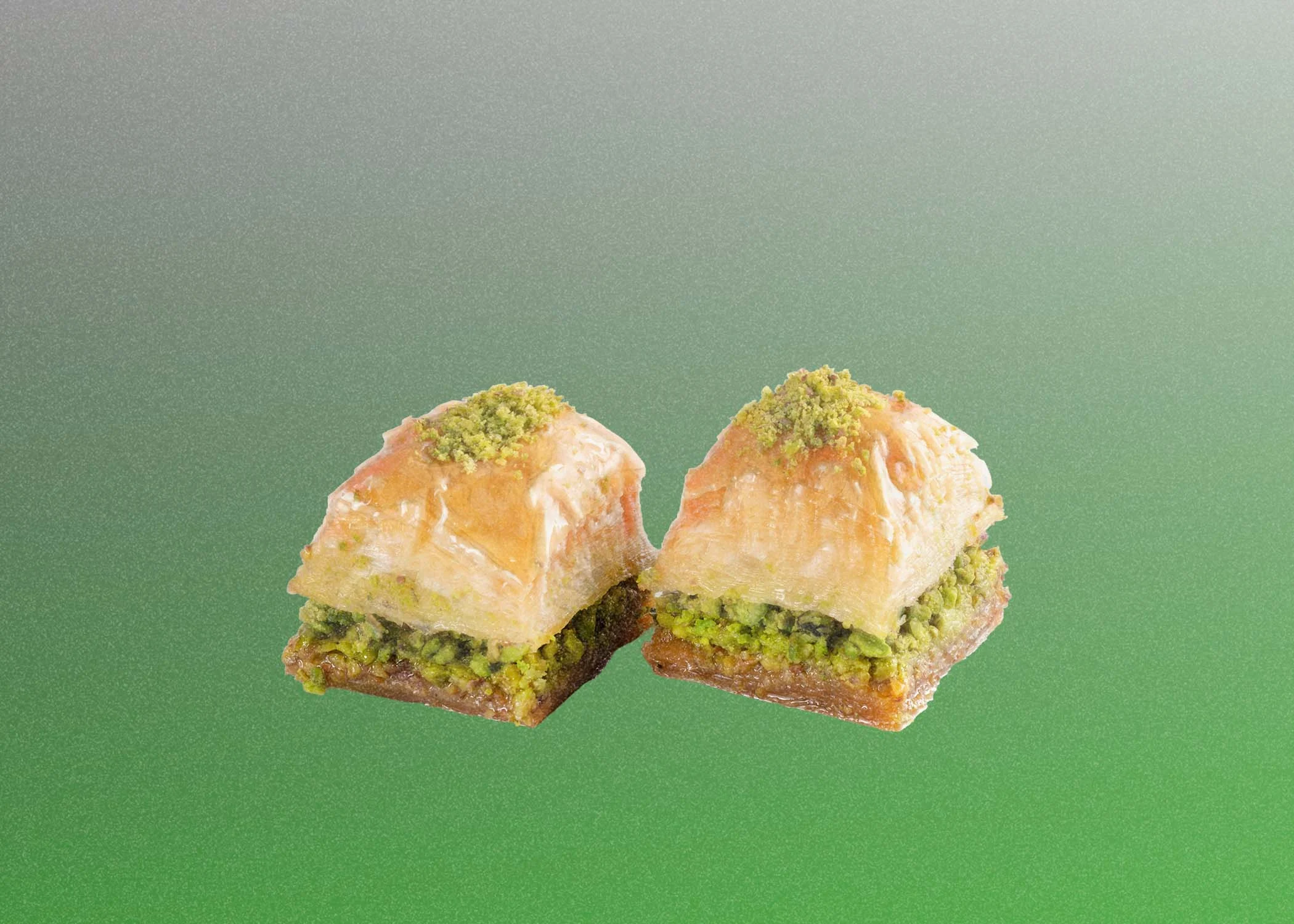
Azerbaijan and Türkiye have filed a joint nomination with UNESCO to inscribe baklava on their Intangible Cultural Heritage list. The initiative has already angered neighbouring states. Baklava is a sweet pastry of layered filo dough filled with chopped nuts and soaked in sugar or honey syrup. It's popular across Türkiye, the Balkans, the Middle East, and the Caucasus, with each country having its own variation – and many claiming it as part of their own culinary heritage. The “nationalisation” of baklava began in 2013, when the European Commission registered Gaziantep baklava as a protected geographical indication, protecting the label “Antep Baklavası” from imitators. Gaziantep is Türkiye's baklava capital. But while Turkish historiography insists that baklava in its modern form was developed in Ottoman Istanbul, Greek historians argue that the iconic pastry was invented in the Byzantine Empire, the medieval predecessor of modern Greece. In January 2025, Greek members of the European Parliament submitted a request to the Parliament “asserting the Greek origins of baklava”, citing concerns over Azerbaijan and Turkiye’s claims to the pastry. Gastronationalism Scholars call this national(ist) obsession with food origins gastronationalism, and Erdoğan’s Türkiye seems to be particularly invested in it. Last week, as high‑profile guests from across the NATO member states arrived in Ankara for the alliance’s summit, baklava was often served as dessert, while other contested regional favourites were presented as part of the country’s unique culinary heritage. Türkiye’s top chefs spent eight months crafting this “authentic” Turkish menu, in coordination with president Erdoğan's Directorate of Communication, whose main aim is to “empower the Türkiye brand.” The fact that Azerbaijan and Türkiye jointly applied to get baklava recognised as part of both countries' cultural heritage is also a manifestation of gastronationalism. The two neighbours are model allies, and their…

 点赞
点赞 收藏
收藏 点踩
点踩 分享
分享