507 Hectares, 12 Fabs: Inside TSMC's Largest Taiwan Expansion Yet
Hello everyone,
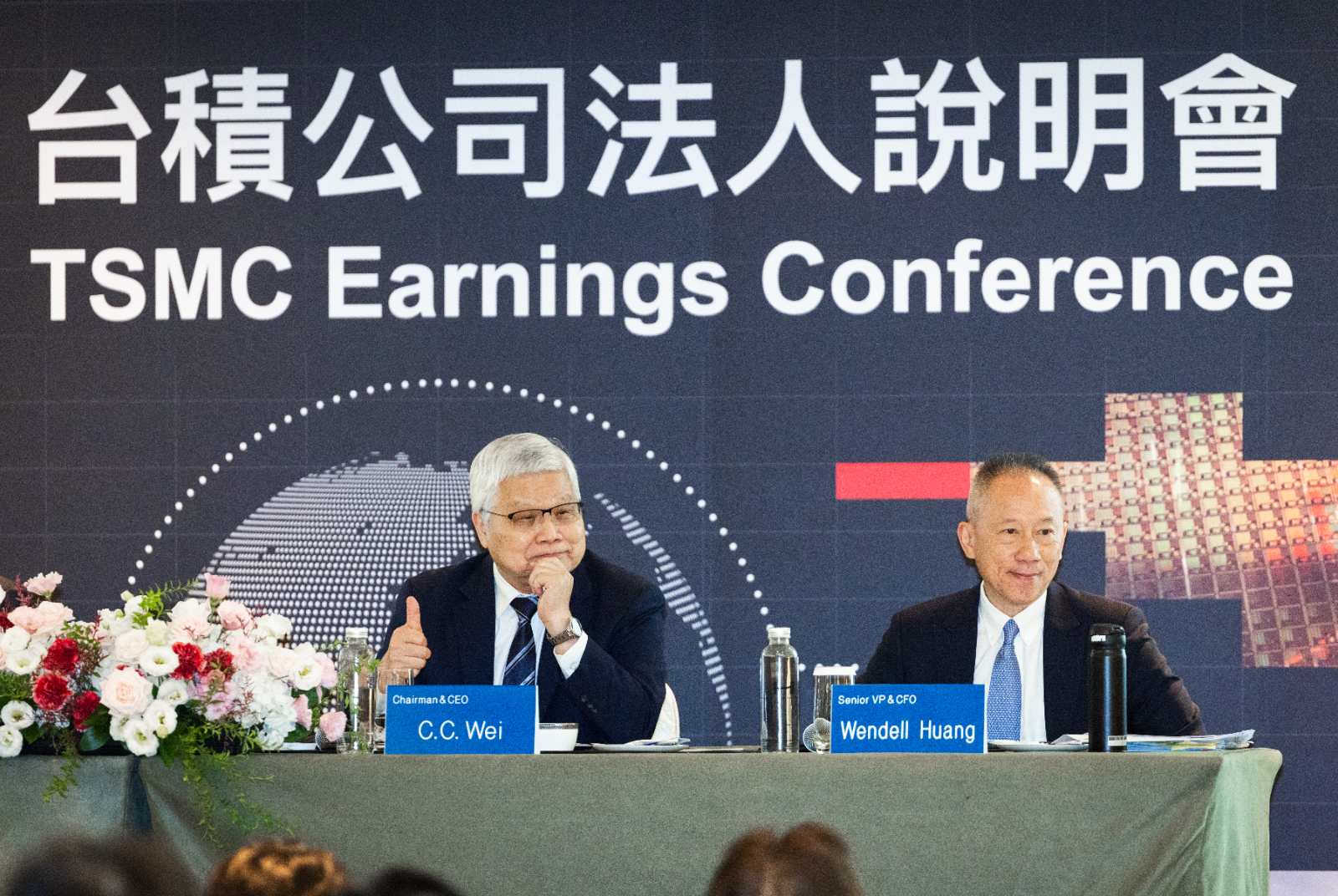
There are several aspects of TSMC’s highly anticipated second-quarter earnings call that merit a closer look.
1. Capital Expenditure Raised Again
TSMC increased its full-year 2026 capital expenditure guidance by roughly 15%, raising the range to between US$60 billion and US$64 billion.
What stands out is that TSMC rarely revises its annual capex forecast after announcing it in January, as the guidance range typically provides sufficient flexibility. This year, however, the company has already raised its forecast twice.
TSMC Chairman and CEO C.C. Wei(魏哲家) said the increase was driven by strong structural demand, with part of it coming from emerging demand for agentic AI.
2. A Conservative Stance on Price Hikes
When asked once again about pricing, Wei adopted a more restrained tone than before.
At the annual shareholders meeting, Wei had responded that TSMC was “working on it.” This time, however, he was far more cautious.
While he expressed envy over the exceptionally high gross margins enjoyed by memory companies — “86%? (referring to Micron) We’d be very happy with 68%.” — he repeatedly emphasized that TSMC and its customers are partners, and that customers must succeed first. Prices cannot be raised to levels customers cannot afford.
Following the earnings call, Bernstein wrote in a research report: “This demonstrates TSMC’s conservative approach... and suggests that price increases are unlikely to become a meaningful contributor to earnings in the near term.”
3. Competition From Intel in Advanced Packaging
Even more interesting was Wei’s response when asked about competition from rivals — namely Intel — in advanced packaging.
Wei also departed from his previous “not a single order can be lost” stance, saying openly that since TSMC’s packaging capacity remains constrained, he welcomes competitors to provide customers with “some flexibility.”
“That also helps my front-end wafer business,” he added.
Bernstein interpreted the remarks as evidence that TSMC does not view advanced packaging technologies such as CoWoS as its “moat.” The company’s primary objective remains monetizing advanced front-end process technologies. As a result, Intel’s future EMIB business could benefit.
Following that logic, rumors that TSMC hopes to use its newly unveiled 14-reticle CoWoS packaging technology to win back packaging orders for Google’s next-generation TPU, currently handled by MediaTek, may not be entirely unfounded after all.
It is a development worth watching.
Returning to this week’s newsletter,
I had always wondered why C.C. Wei was asked about the critically endangered Eastern Grass Owl during TSMC’s shareholders meeting, and why he responded:
“There are currently only around 300 grass owls left. Hopefully that number can grow to 400 next year.”
Only now do I understand that the issue is tied to the largest new fab development project in TSMC’s history — the Shalun Site of the Southern Taiwan Science Park, better known as Phase 4 of the Southern Taiwan Science Park’s Tainan campus.
Sources involved in the project revealed that TSMC plans to build 12 fabs there, potentially for 1.4nm or even 1nm production.
Please see this week’s newsletter.Subscribe nowRead more

 点赞
点赞 收藏
收藏 点踩
点踩 分享
分享