Shovel241 is a one-in-a-billion visual artist


When I wrote about the strange and seeming impossibility of Shakespeare’s as-of-yet-unsurpassed mastery of English playwriting (even after 400 years have passed and billions of other English writers have born and lived) I focused on changing incentives: about how plays are no longer the predominant art form they once were, and how many of the premier artists of our time have gravitated towards other artforms (like storytellers to filmmaking and lyricists to rap).
Pointed out in comments, though, was a major factor I overlooked: the phenomenon of low-hanging fruit. During Shakespeare’s time, the English language was in flux, still recovering from French occupation and finding its new identity. It was an easier time for brilliant minds to coin new words and clever turns of phrase without sounding hackneyed.
This applies to every field: Geniuses like Alan Turing and Albert Einstein, were they born today, would not be able to achieve the same magnitude of discoveries in maths and sciences as they once did 1. Complexity theory and physics each have more mysteries than ever before, but it also takes more work than ever to arrive at the point where you can even understand them 2.
Those who want to distinguish themselves to the level of Shakespeare or Turing will have generally better luck doing so in new fields. In the realm of art, that generally means new mediums.
Mediums like:
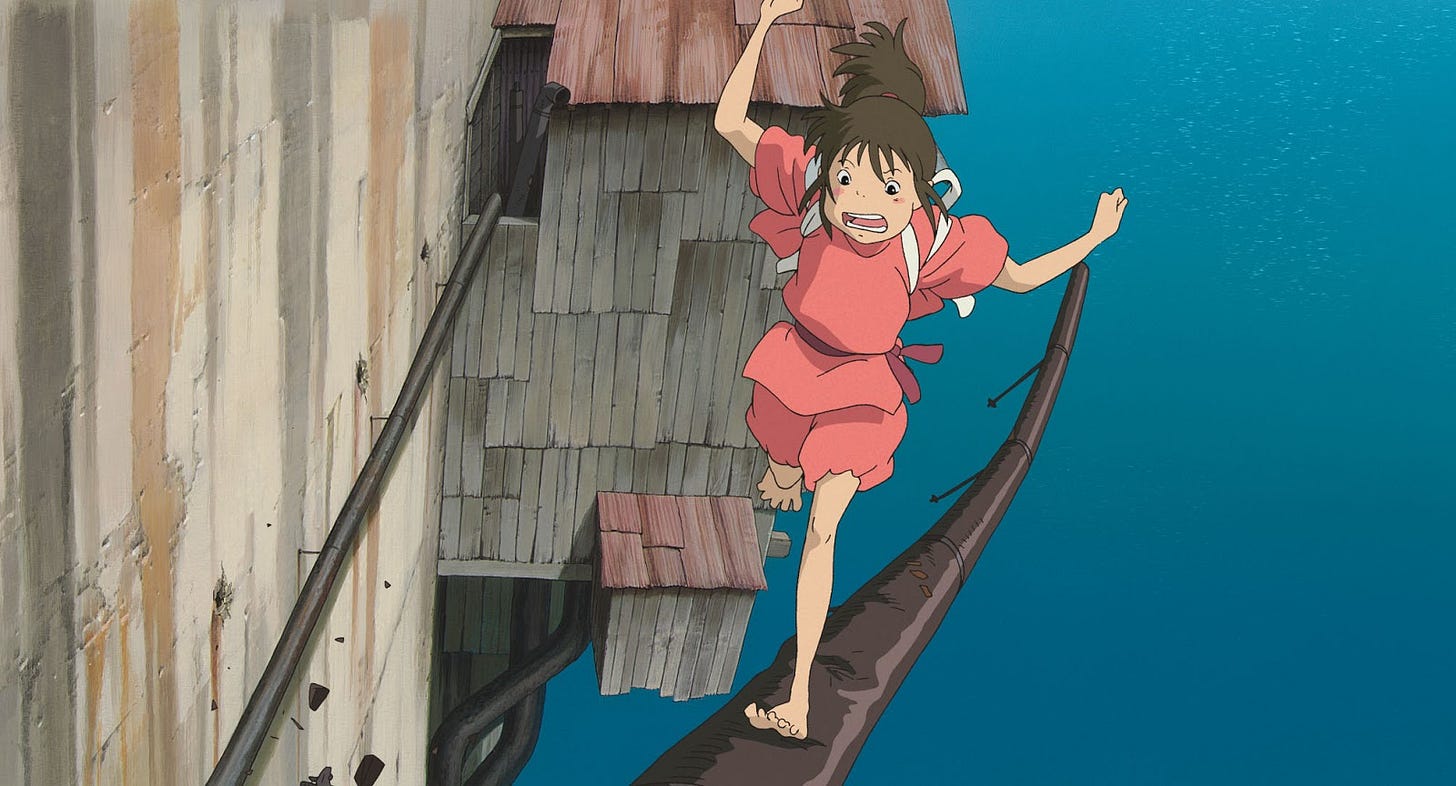
Animation
From Spirited Away (2001), by Hayao Miyazaki, the greatest visual artist of his generation
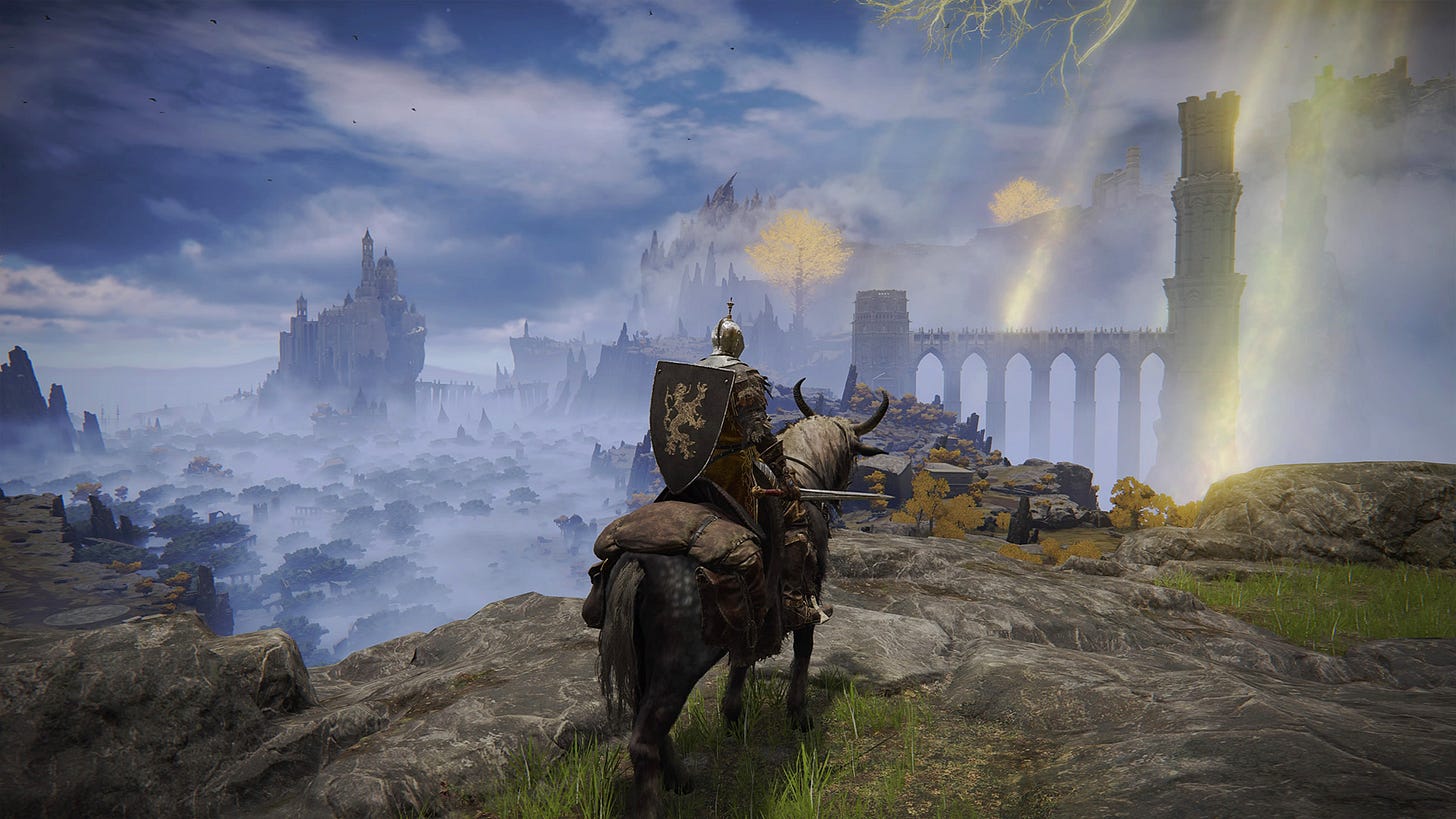
Videogames
From Elden Ring (2022), by Hidetaka Miyazaki, the greatest visual artist of his generation
Lego
A design by Nick Trotta. I don’t know enough about Lego to be saying who’s the greatest, but I know I like it.
3D Art
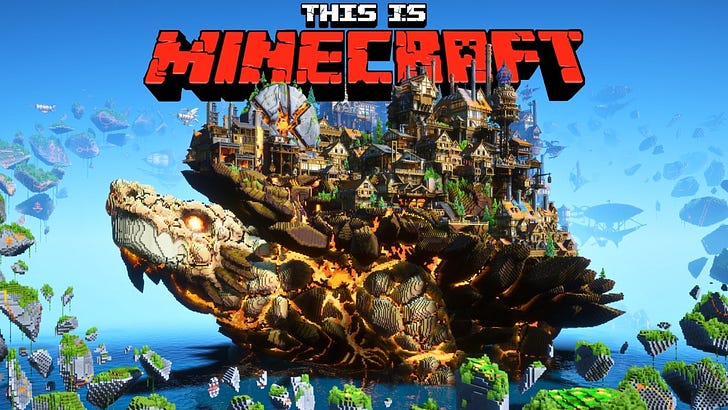
Though for this post, I’d like to focus your attention on an art form that’s newer than any of those. One that started in December of 2010 but I think has really picked up in more recent years, a subgenre of 3D art marked by constraints the same way 2D art can be c…

 点赞
点赞 收藏
收藏 点踩
点踩 分享
分享