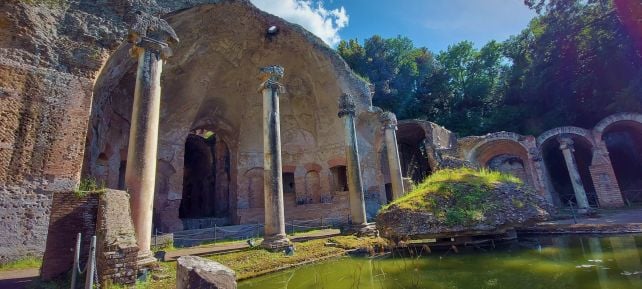
Ancient Roman Concrete Keeps Getting Stronger, And The Secret Was Hiding in Hadrian's 2,000-Year-Old Toilet

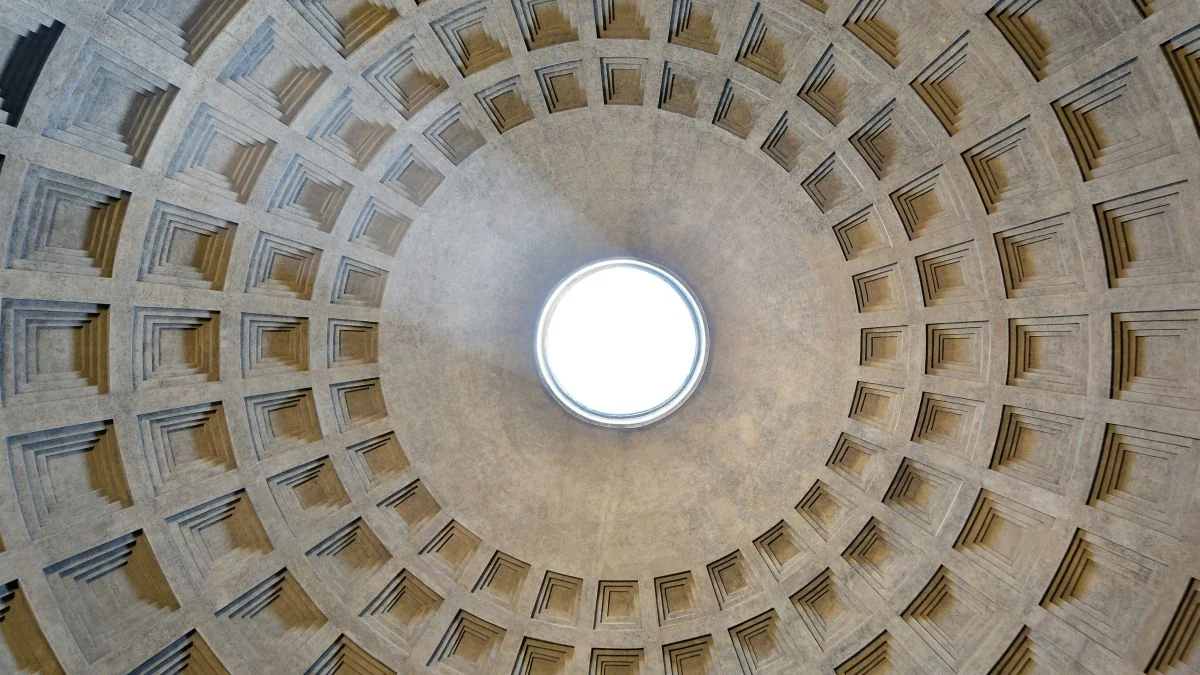
The dome of the Pantheon in Rome is one of the most famous examples of ancient Roman engineering. (Livioandronico2013/Wikimedia Commons, CC BY-SA 4.0)
The arrow of time flies one way, and with it comes decay.
We build our structures to last as long as possible, but even the toughest materials eventually crack, weaken, and crumble.
Ancient Roman concrete did things a little differently.
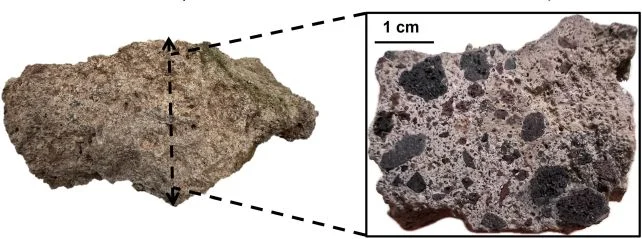
Scientists have long known that the concrete built during the Roman Empire seems to grow stronger over time.Previous research suggested this extraordinary durability was largely due to a reaction between volcanic ash, called pozzolan, and quicklime, which produced exceptionally resilient minerals within the concrete.
Now, scientists have discovered that there's another part of the story: the slow yet steady reactions of carbon dioxide from the air.
"While the pozzolanic reaction is of fundamental importance," says engineer Paulo Monteiro of UC Berkeley, "our findings suggest that carbonation over a long period of time also enhances the durability of concrete and can help it seal cracks as it ages."
The team's discovery, detailed in Science Advances, gives us a new appreciation of even the more mundane Roman structures that were nevertheless imbued with engineering prowess.
frameborder="0″ allow="accelerometer; autoplay; clipboard-write; encrypted-media; gyroscope; picture-in-picture; web-share" referrerpolicy="strict-origin-when-cross-origin" allowfullscreen>
One of the wondrous things about Roman engineering is how many structures remain in excellent condition where so many contemporaneous buildings have fallen to rubble.
The Pantheon in Rome is the most famous example – a 2,000-year-old temple capped with an enormous dome of unreinforced concrete, the largest structure of its kind in the world.
But to discover the secrets of Roman concrete, Monteiro, his co-lead Xiaohong Zhu of Beijing University of Technology, and their colleagues turned to an unlikely, much less glam…

 点赞
点赞 收藏
收藏 点踩
点踩 分享
分享